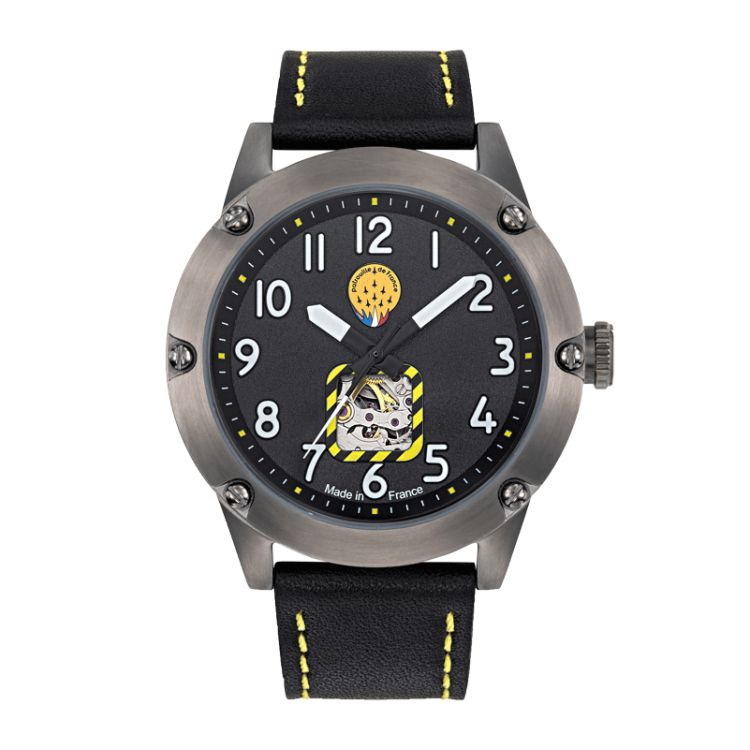
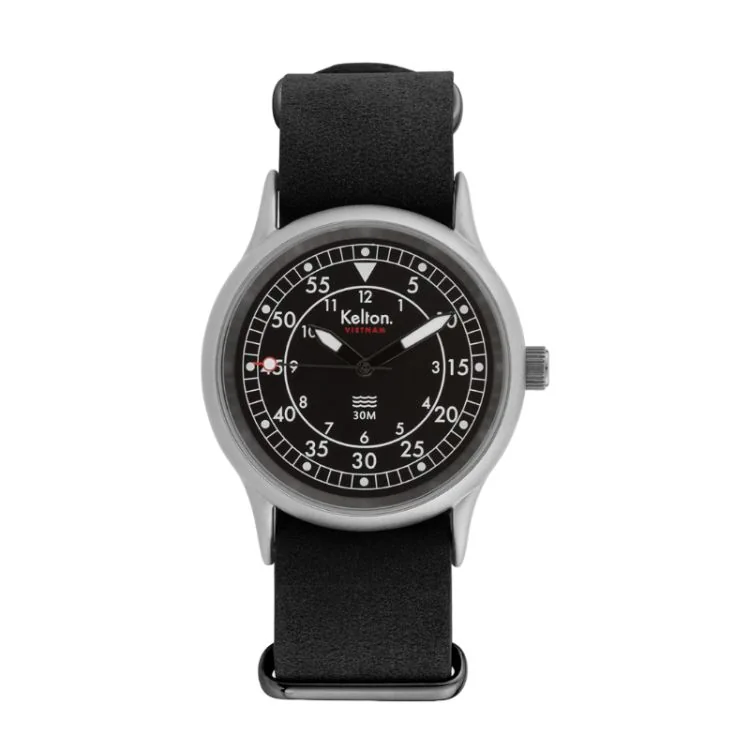
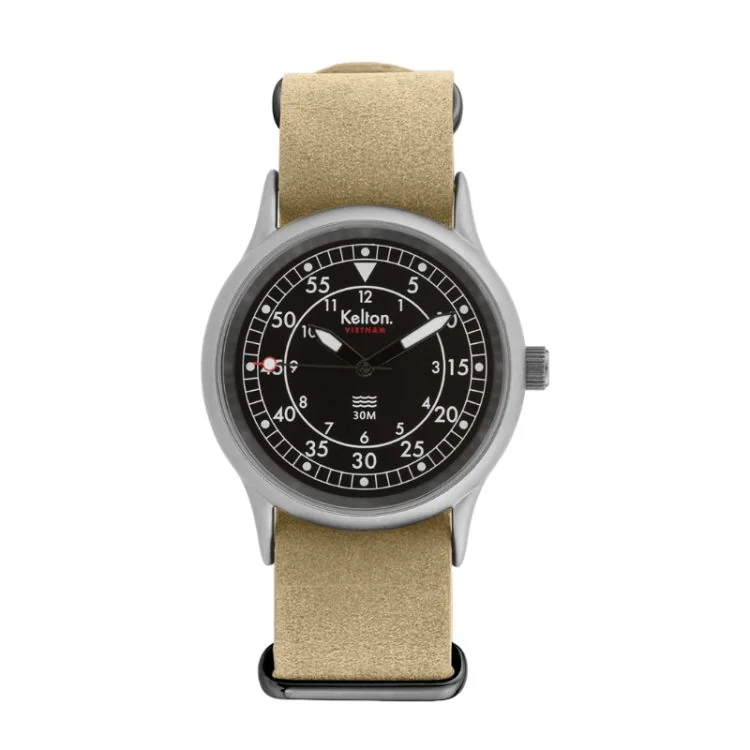
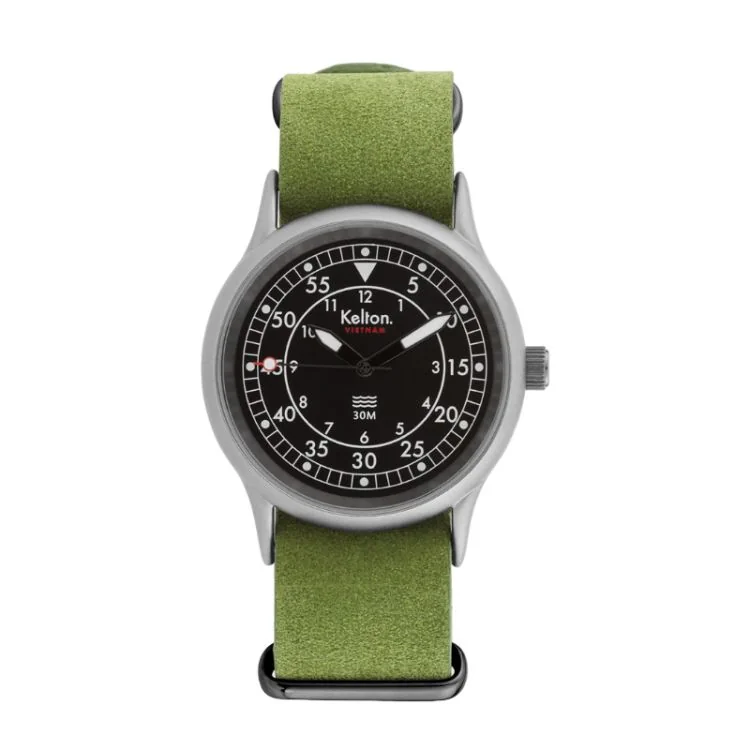
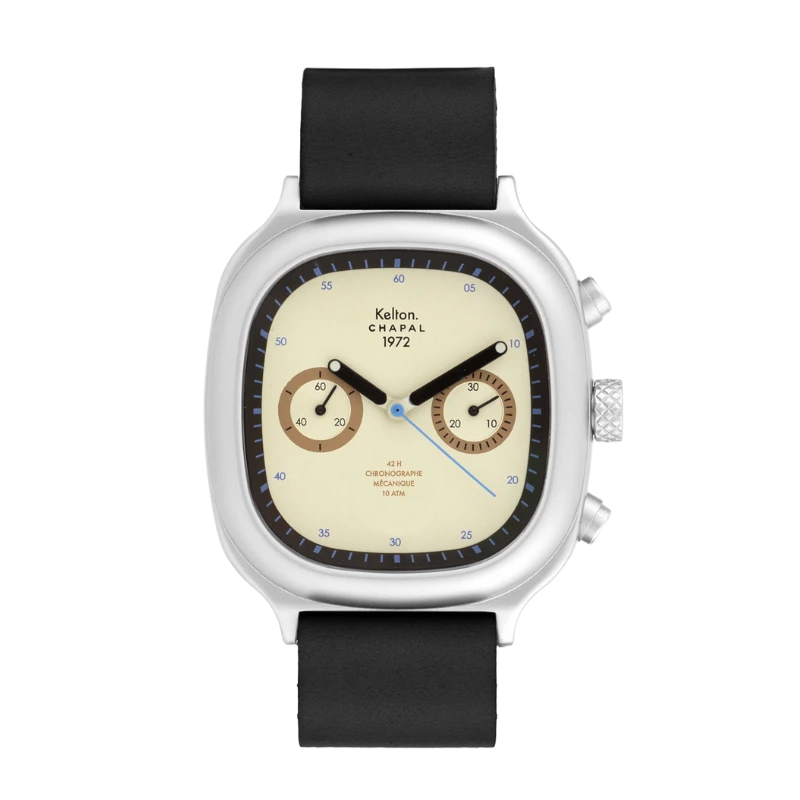
Amechanical watchhas a mechanical movement that operates using energy supplied by a mainspring wound inside a barrel. Mechanical watches can be either manual-winding or self-winding. These are referred to as self-winding mechanical watches and manual-winding mechanical watches, respectively. Highly complex, these watches are true treasures of horology and are renowned for their reliability.
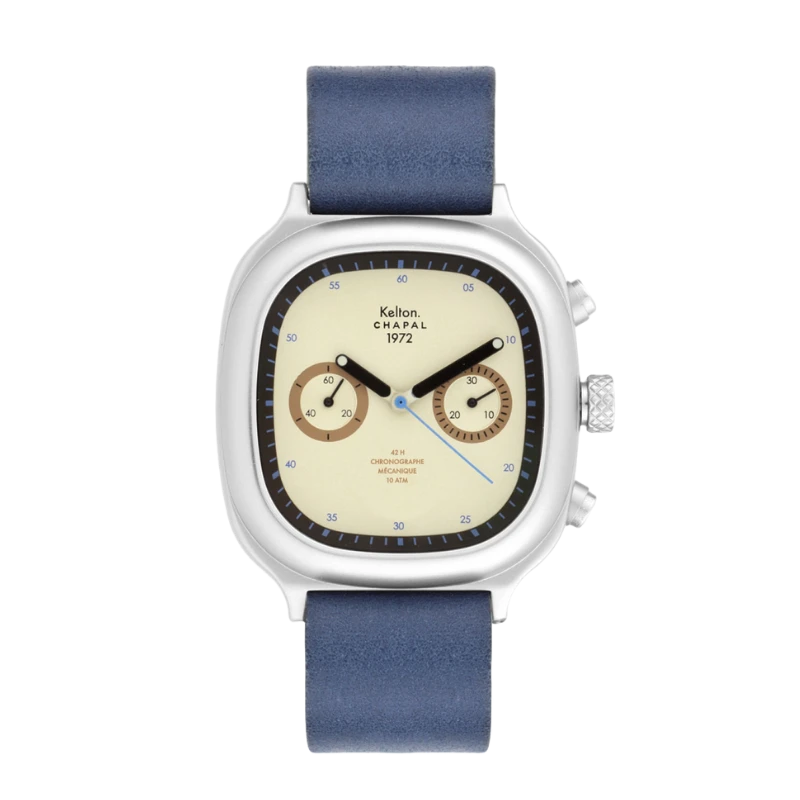
Kelton X Chapal 1972 Watch - Skysand Chronograph - Tan Leather
956,52 €
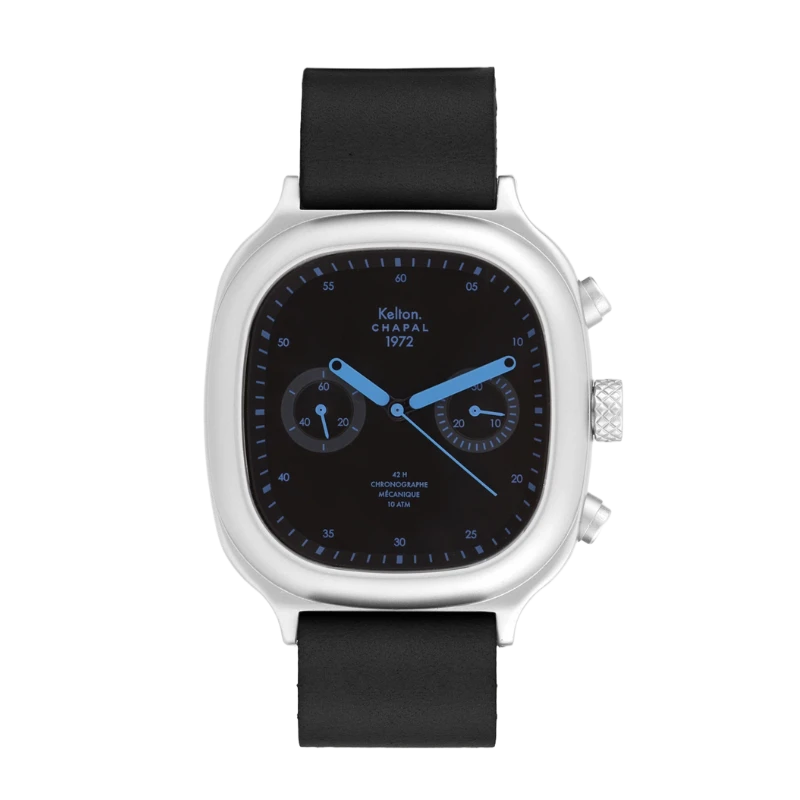
Kelton X Chapal 1972 Watch - Skyblue Chronograph - Black Leather
956,52 €
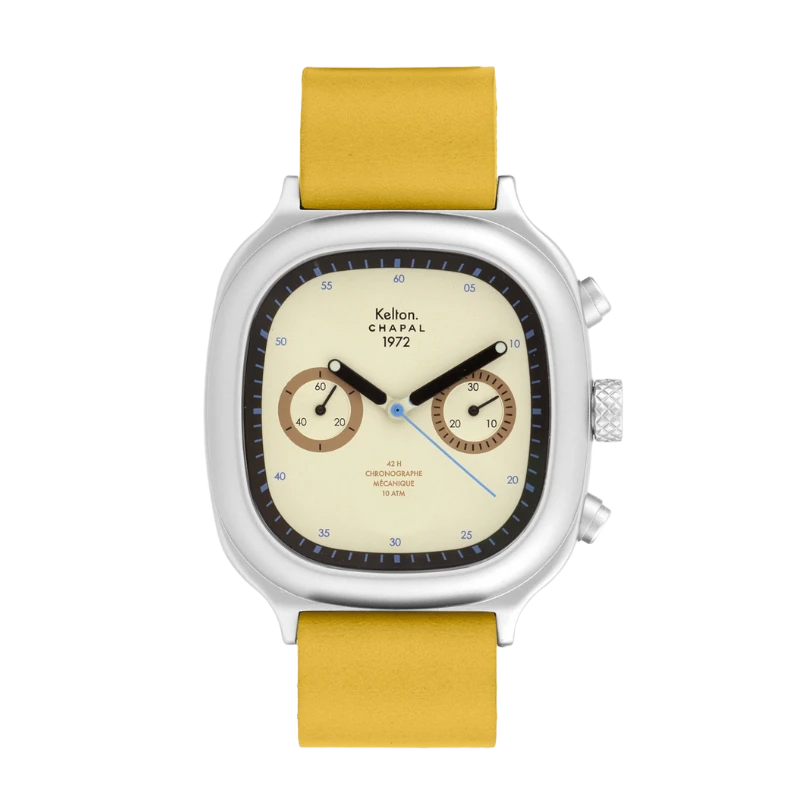
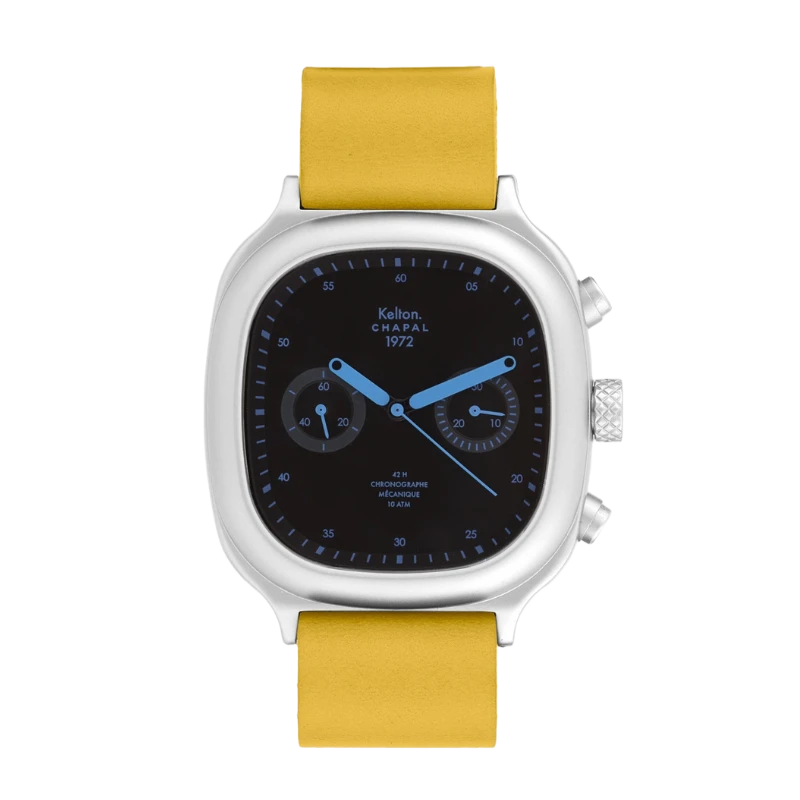
Kelton X Chapal 1972 Watch - Sky Blue Chronograph - Yellow Leather
956,52 €
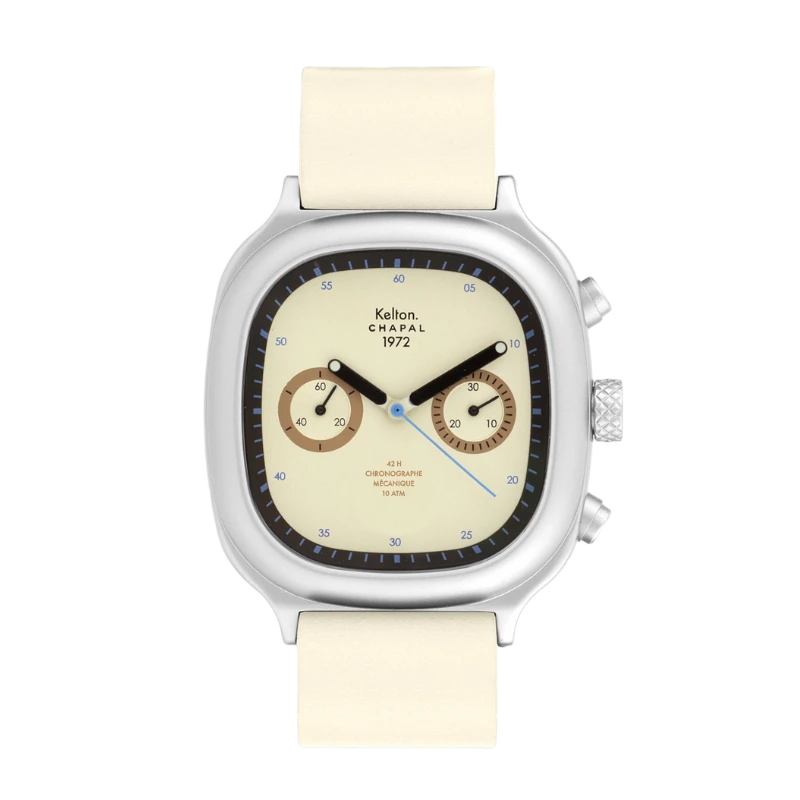
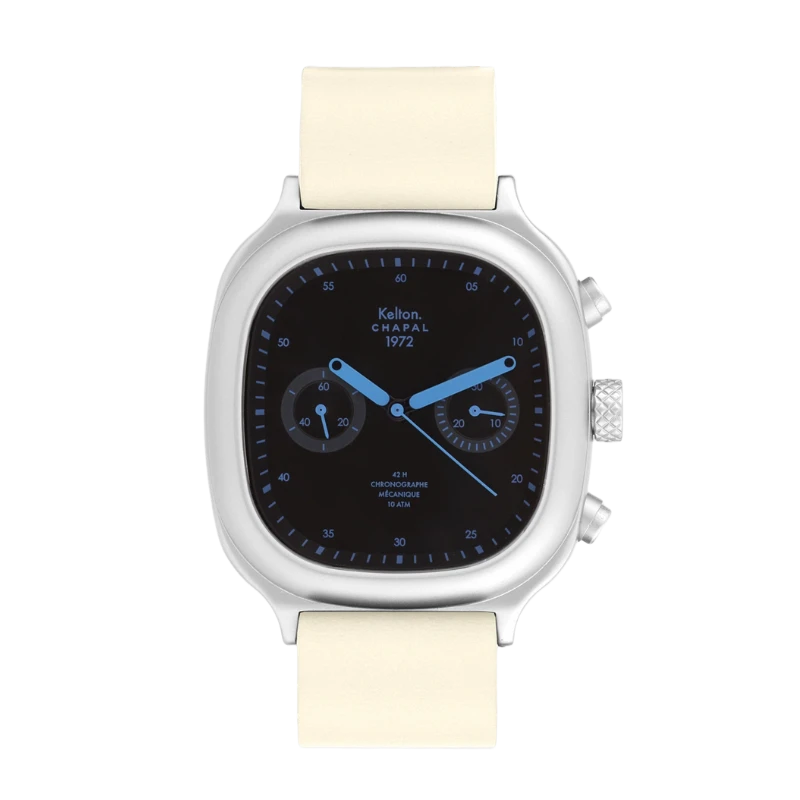
Kelton X Chapal 1972 Watch - Skyblue Chronograph - White Leather
956,52 €
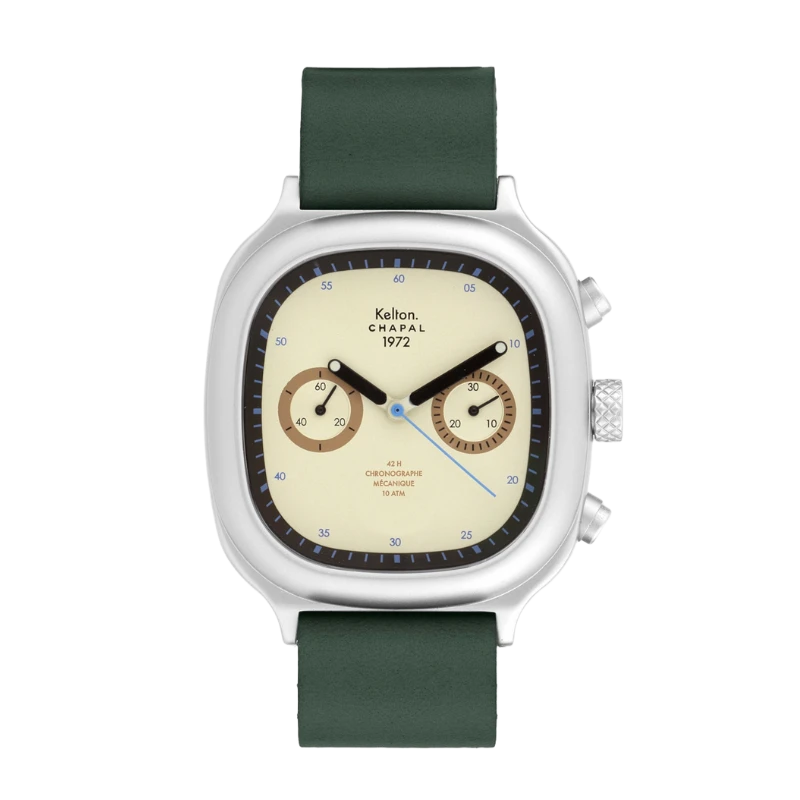
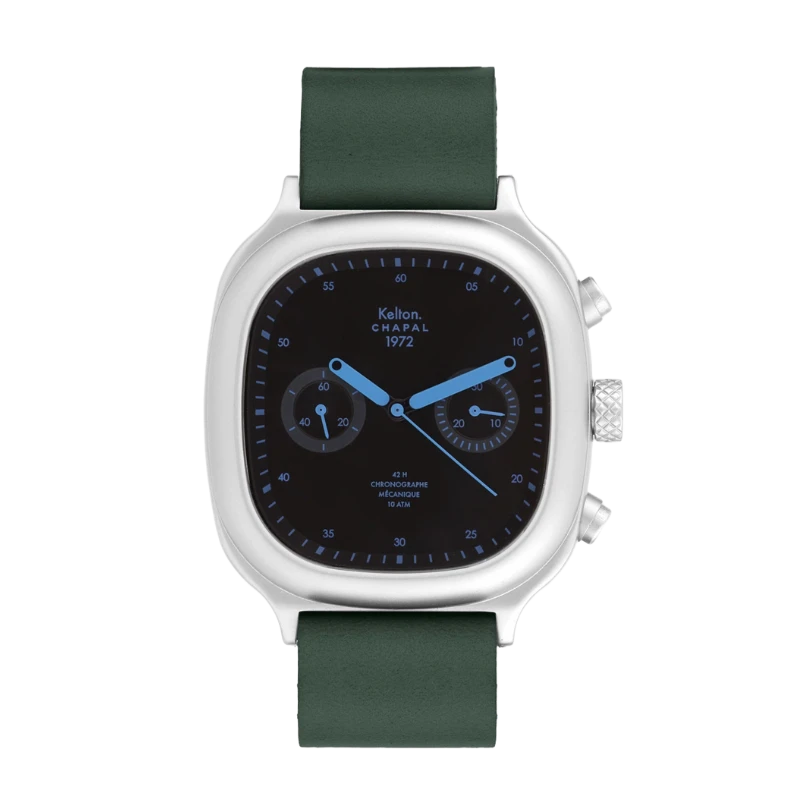
Kelton X Chapal 1972 Watch - Sky Blue Chronograph - Green Leather
956,52 €
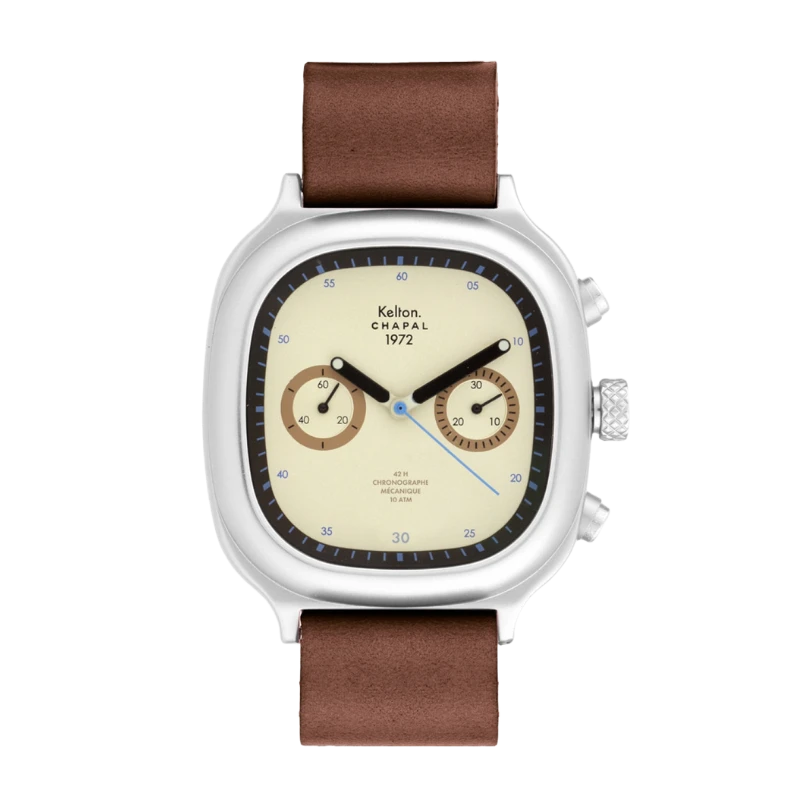
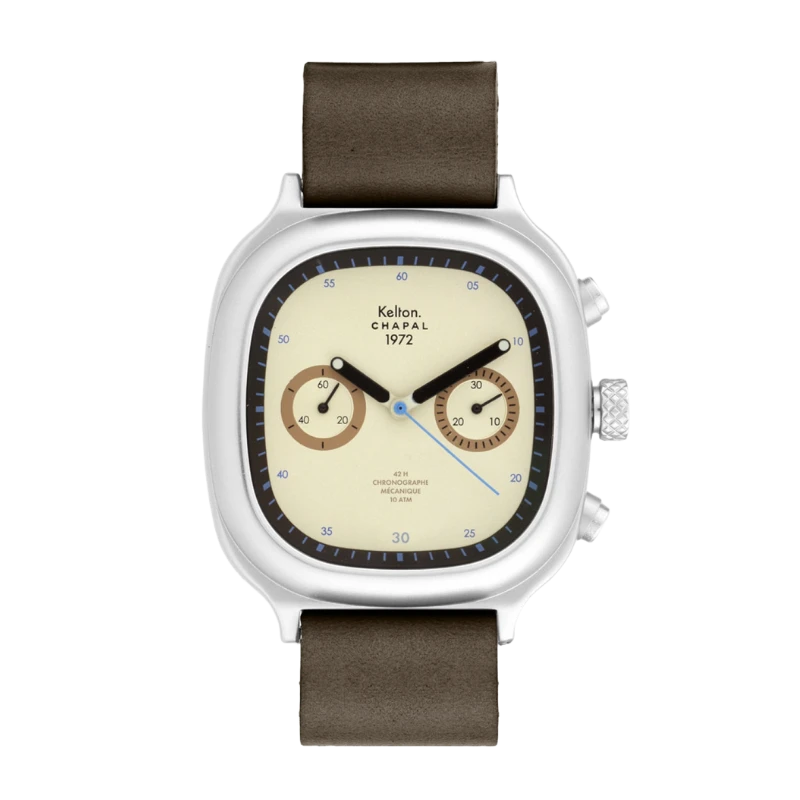
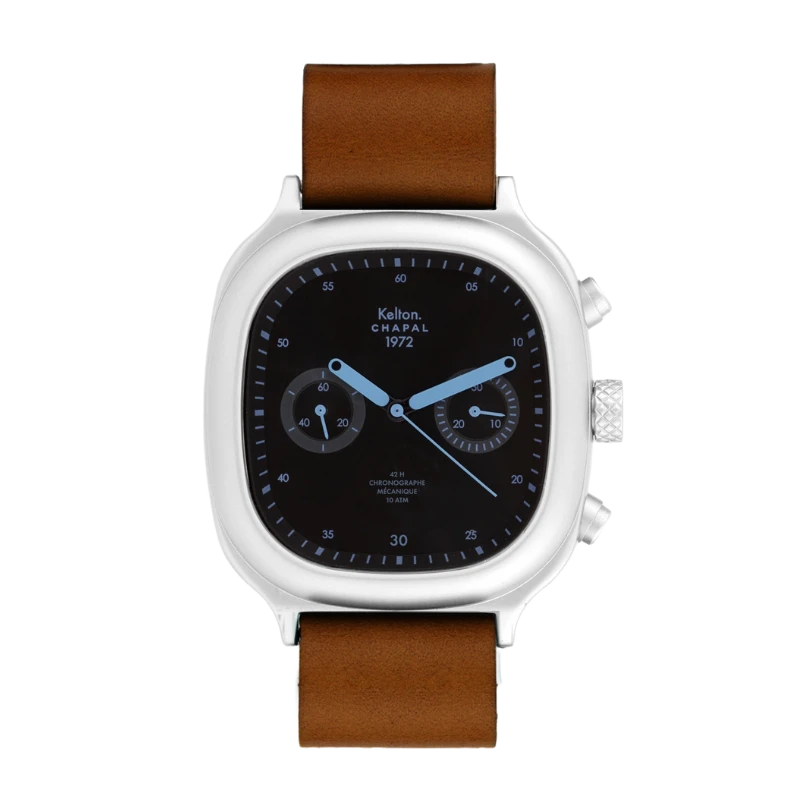
Kelton X Chapal 1972 Watch - Sky Blue Chronograph - Brown Leather
956,52 €
Mechanical Watches
Mechanical watch movements are the heart of any mechanical timepiece. They are responsible for the watch’s timekeeping and accuracy. Mechanical watch movements are often considered true works of art because of their complexity and sophisticated operation.
There are two types of mechanical watch movements: hand-wound movements and automatic movements. Hand-wound movements require daily manual winding to keep the watch running, while automatic movements are equipped with a rotor that uses the movements of the wrist to wind the watch.
Mechanical watch movements can also be classified into two categories: simple movements and complex movements. Simple movements often consist of a single mainspring and a balance wheel, while complex movements can have multiple functions, such as chronographs, perpetual calendars, and moon phases.
The heart of any watch movement is the balance wheel, which regulates the rate at which the watch ticks. The balance wheel is a wheel that oscillates at a regular and constant rate, kept in motion by a hairspring. Modern watch movements often use balance wheels made of Glucydur alloy because of their resistance to temperature and shock.
Finally, the assembly and adjustment of mechanical watch movements are meticulous and delicate processes that require a high degree of precision and careful attention to detail. Skilled watchmakers spend years learning the skills needed to assemble and adjust complex watch movements.
In summary, mechanical watch movements are the driving force behind mechanical watches and are what give them their precision and reliability. Modern watch movements are the result of centuries of development and refinement, and continue to be works of art in their own right in the world of watchmaking.