The Different Types of Watch Movements

Features and How It Works
When it comes to choosing a watch, one of the most important factors to consider is the movement that powers it. The movement, also known as a caliber, is the internal mechanism that keeps track of time and allows the hands to move.
There are three main types of movements: hand-wound mechanical movements, self-winding mechanical movements, and quartz movements. Each of these types has its own specific features, operating principles, and unique characteristics that affect accuracy, maintenance, and the wearing experience.
Hand-wound mechanical movement
The operation of a manual-winding mechanical watch is based on simple yet highly precise principles. Unlike automatic watches, which wind themselves through the movement of the wrist, a manual-winding watch requires the owner to wind the mechanism by turning the crown.
The mainspring, or barrel, is the key component of the mechanism. When you turn the crown, you wind the mainspring, which stores potential energy. This energy is then gradually released, powering the watch’s entire internal movement.
Here are the main components of a hand-wound mechanical watch:
- Mainspring: It stores mechanical energy when wound. The more you wind the spring, the more energy the watch will have to run.
- Gears: A series of small gears transmits energy from the mainspring to the escapement, converting rotational motion into linear motion.
- Escape: This assembly, consisting of the anchor and the escape wheel, releases the energy stored in the mainspring in a controlled manner. It ensures that the hands advance at regular intervals, thereby guaranteeing the watch’s accuracy.
- Balance wheel: It oscillates back and forth, regulating the rhythm of the movement. The balance wheel acts like a metronome, controlling the rate at which the mainspring unwinds.
Manual winding does not allow for an infinite energy reserve, which is why most manually wound watches have a power reserve of 24 to 48 hours, although some more sophisticated models can last up to 8 days or longer.
Owning a hand-wound mechanical watch means, above all, owning a work of horological art. Each watch is a testament to craftsmanship, precision engineering, and tradition. Unlike automatic watches, which wind themselves without direct interaction, a manual-winding watch requires daily attention, creating an intimate bond between the wearer and the timepiece. This winding ritual gives the wearer the feeling of truly mastering time.
Automatic mechanical movement
Automatic mechanical watches symbolize an innovation in watchmaking that combines the timeless elegance of traditional mechanical watches with the modern convenience of automatic winding. Unlike hand-wound mechanical watches, automatic watches wind themselves automatically through the natural movement of the wearer’s wrist, eliminating the need to wind the watch manually every day. They have become a popular choice among watch enthusiasts for their precision, mechanical complexity, and the appeal of watchmaking tradition.
The mechanism of an automatic watch is essentially the same as that of a traditional mechanical watch, with one key difference: the presence of the rotor, a half-moon-shaped component that rotates with every movement of the wrist. This rotor is connected to the mainspring, which winds automatically as the watch is worn.
Here are the main components of an automatic mechanical watch and how they work:
Mainspring: As in a manual-winding watch, the mainspring stores energy. The rotor winds the mainspring with every movement of the wrist, storing the energy needed to power the movement.
Rotor: A key component in automatic watches, the rotor rotates on an axis when set in motion by the wearer's movements. This movement powers the mechanism without requiring manual winding.
Gear train: A series of gears transmits energy from the mainspring to the escapement, thereby driving the movement of the hands.
Escapement: The escapement regulates the release of energy stored in the mainspring. It controls the rate at which the energy is released, allowing the hands to move smoothly.
Balance wheel: The balance wheel oscillates back and forth, regulating the watch's movement and ensuring its accuracy.
Automatic mechanical watches are relatively accurate, although slightly less so than quartz watches. In general, a well-maintained automatic watch may lose a few seconds a day. However, some high-end automatic watches are equipped with complex mechanisms that reduce this loss to a few seconds a week.
An automatic watch has a power reserve, which is the amount of energy it can store before stopping if it is not worn. Most modern automatic watches have a power reserve ranging from 38 to 48 hours. Some luxury watches may offer extended power reserves, lasting up to 7 days or more. If the watch is not worn for several days, it can be wound manually using the crown.
Automatic watches require regular maintenance to ensure they function properly. On average, it is recommended that an automatic watch be serviced every 3 to 5 years. This maintenance includes cleaning, adjusting, and lubricating the movement. A well-maintained watch can last for several generations.
Finally, one of the main advantages of an automatic watch is its self-winding capability. As long as it is worn regularly, the watch stays wound thanks to the movements of the wrist.
Quartz movement
Quartz watches have revolutionized the watchmaking industry since their invention in the 1960s, offering unmatched accuracy, simplified maintenance, and affordability. Unlike mechanical watches, which use springs and gears to measure time, quartz watches operate using a small quartz crystal and a battery, representing a major technological innovation in the world of watchmaking. Today, quartz watches dominate the consumer watch market and are prized for their reliability, affordability, and ease of use.
The heart of a quartz watch is based on a simple yet ingenious physical principle: the use of a quartz crystal to maintain a steady oscillation. The crystal has the unique property of vibrating at a very stable frequency when an electric current is applied to it. This phenomenon, known as piezoelectricity, allows the quartz to produce steady, constant vibrations.
- The quartz used in a watch is cut so that it vibrates at a frequency of 32,768 oscillations per second. This frequency is ideal because it can be divided electronically to power the watch's stepper motor, which moves the hands or the digital display.
- The battery is the other key component of a quartz watch. It provides a steady electrical current that passes through the quartz crystal and causes it to vibrate. Modern quartz watches use button batteries, which have a long lifespan (often 2 to 5 years) and are easy to replace.
- An integrated circuit inside the watch detects the vibrations of the quartz and converts them into regular pulses. Each pulse corresponds to one second. The electronic circuit then powers a stepper motor that moves the hands of an analog watch or directly controls the display of a digital watch.
- In analog quartz watches, a stepper motor is used to convert electronic pulses into mechanical motion. This motor moves the watch hands with a precision of one second per pulse. The result is a second hand that moves at regular intervals, from one second to the next.
Quartz watches are extremely accurate, with an average time deviation of only a few seconds per month. By comparison, mechanical watches—even the most sophisticated ones—can gain or lose up to 20 seconds per day. This accuracy is due to the stability of the quartz crystal’s oscillations, which are only minimally affected by external conditions such as temperature changes or the wearer’s movements.
One of the greatest advantages of quartz watches is their affordability. Thanks to their simple mechanism and the ability to mass-produce them, quartz watches are much cheaper to manufacture than mechanical watches. This has made accurate and reliable watches accessible to a wide audience at reasonable prices.
Quartz watches require very little maintenance compared to mechanical watches. The only regular maintenance required is battery replacement, usually every 2 to 5 years, depending on the model.
Solar Movement
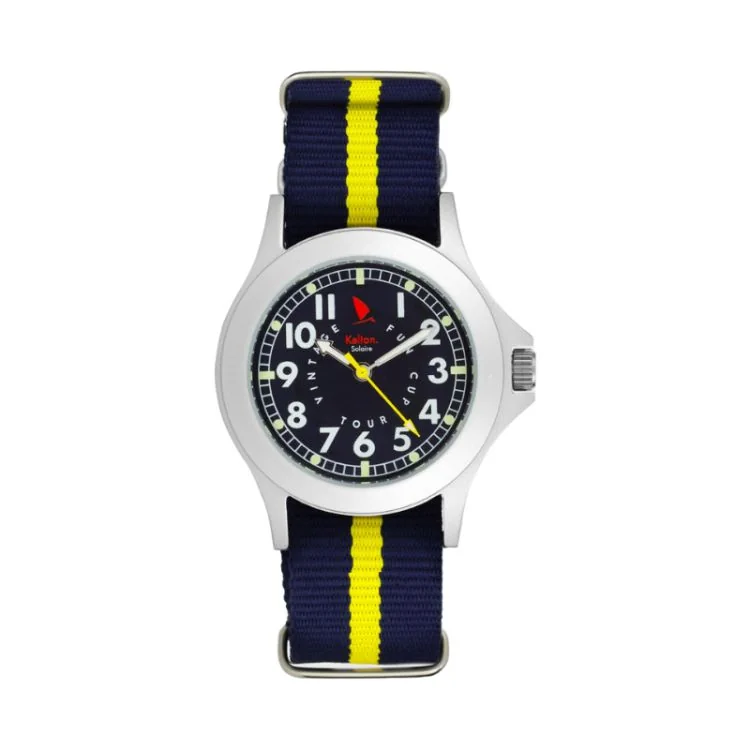
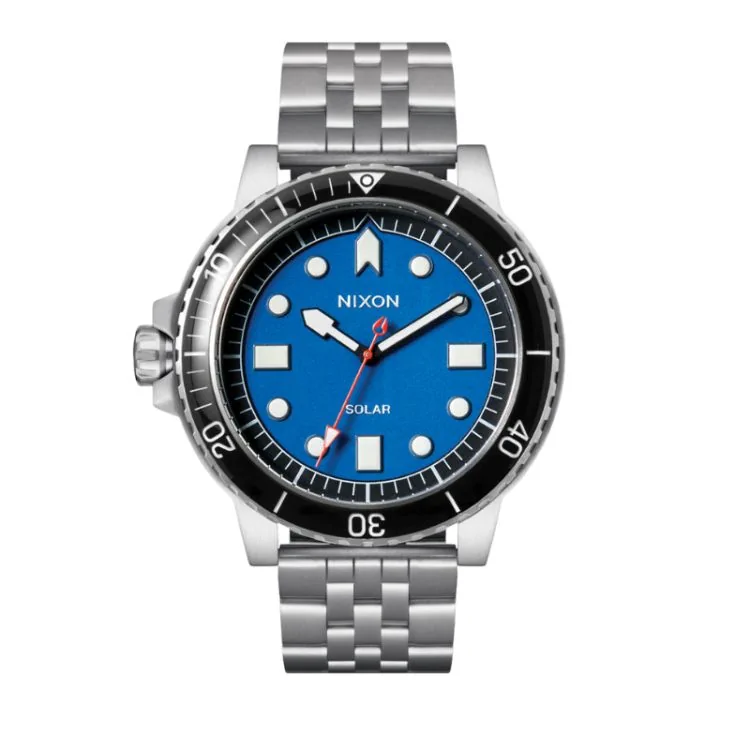
Solar-powered watches represent one of the most significant and environmentally friendly innovations in modern watchmaking. By harnessing energy from the sun or any other light source, these watches stand out for their virtually unlimited battery life, eliminating the need to replace the battery.
Solar-powered watches operate using photovoltaic cells located beneath the watch face. These cells capture light (whether from the sun or artificial sources) and convert it into electrical energy, which is then stored in a rechargeable battery. This battery powers the watch's movement, allowing it to run day after day without requiring a battery replacement.
Here are the key steps in how a solar-powered watch works:
Light sensors: Discreet solar cells, often located beneath the watch’s transparent dial, capture natural or artificial light. Unlike traditional solar panels, these cells are generally invisible, integrated directly into the watch’s design.
Energy Conversion: The light captured by these cells is converted into electrical energy through the photovoltaic effect. This process is rapid and allows energy to be generated as soon as the watch is exposed to light.
Energy Storage: The energy generated is stored in a rechargeable battery. Unlike the batteries in traditional quartz watches, this battery does not need to be replaced frequently because it is continuously recharged by light.
Powering the movement: The energy stored in the battery powers the watch's quartz movement, which is responsible for moving the hands or displaying the time digitally.
The main advantage of solar-powered watches is that they do not require disposable batteries. The internal rechargeable battery is constantly recharged by light, eliminating the hassle of changing batteries—a common inconvenience with quartz watches.
By using renewable energy sources such as sunlight or artificial light, solar-powered watches are an eco-friendly alternative to other types of watches. This technology reduces battery consumption and minimizes the watch's environmental impact over time.
Thanks to their rechargeable battery and ability to store energy, solar-powered watches offer exceptional battery life. Even after a day spent out of the sun, most solar-powered watches continue to run for several months thanks to their energy reserve.
Solar-powered watches require very little maintenance. The rechargeable battery has a long lifespan, lasting up to 10 to 15 years before it needs to be replaced.
Browse our complete selection of watches
Share this content