

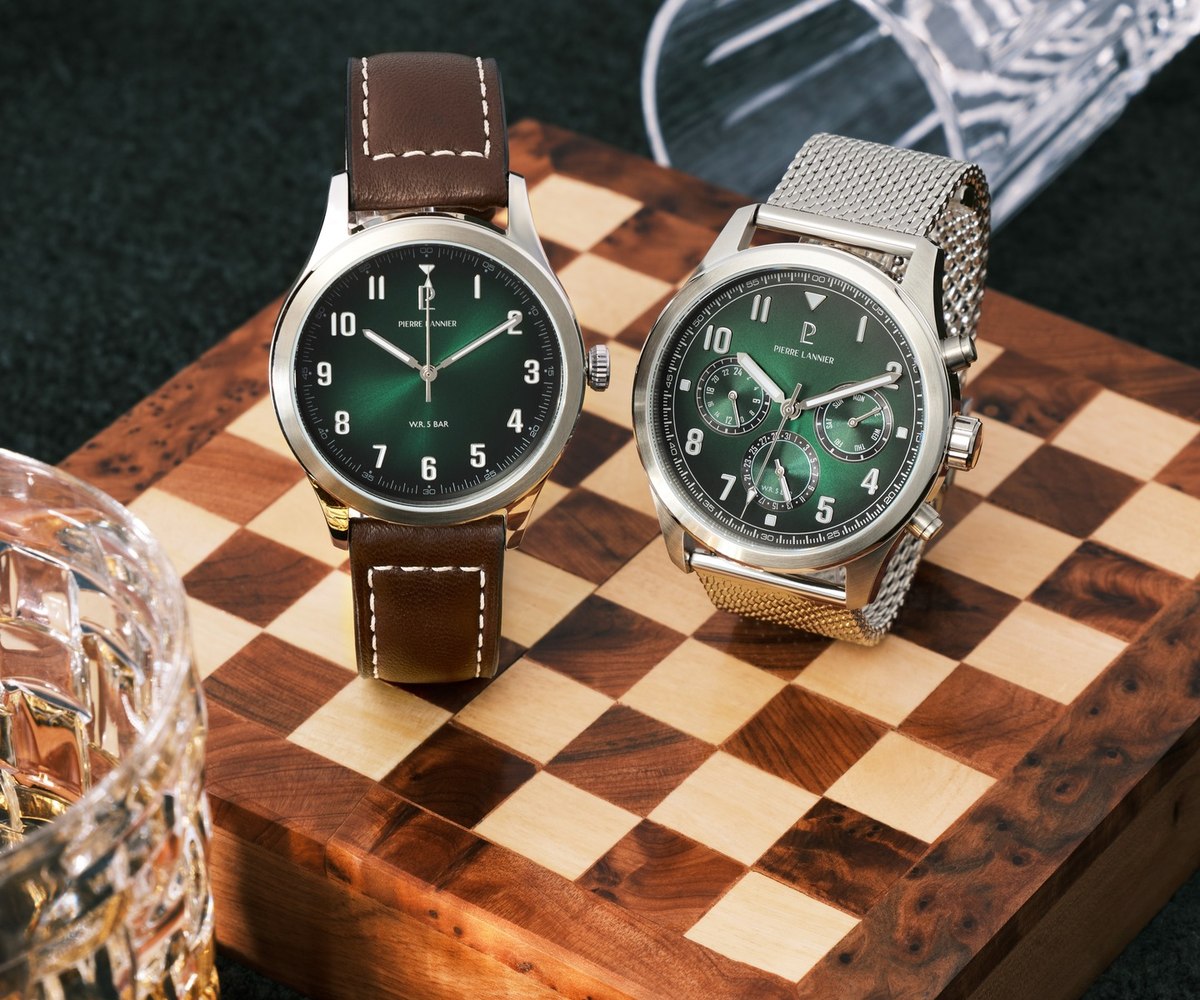
The big hand doesn't tell the time
This is the first thing to understand—and the one that confuses everyone. On an ordinary watch, the thin hand that sweeps across the dial counts the seconds. On a chronograph, that same hand doesn't move. It waits.
It belongs to the chronograph, not the time. It remains stationary until you press the top button, and only then does it start moving. The seconds for the current time, on the other hand, have been moved to a small circle, usually at the nine o'clock position. It is that small, unobtrusive hand that rotates constantly and proves that the watch is alive.
The rest of the dial follows this logic. Here is the complete translation.
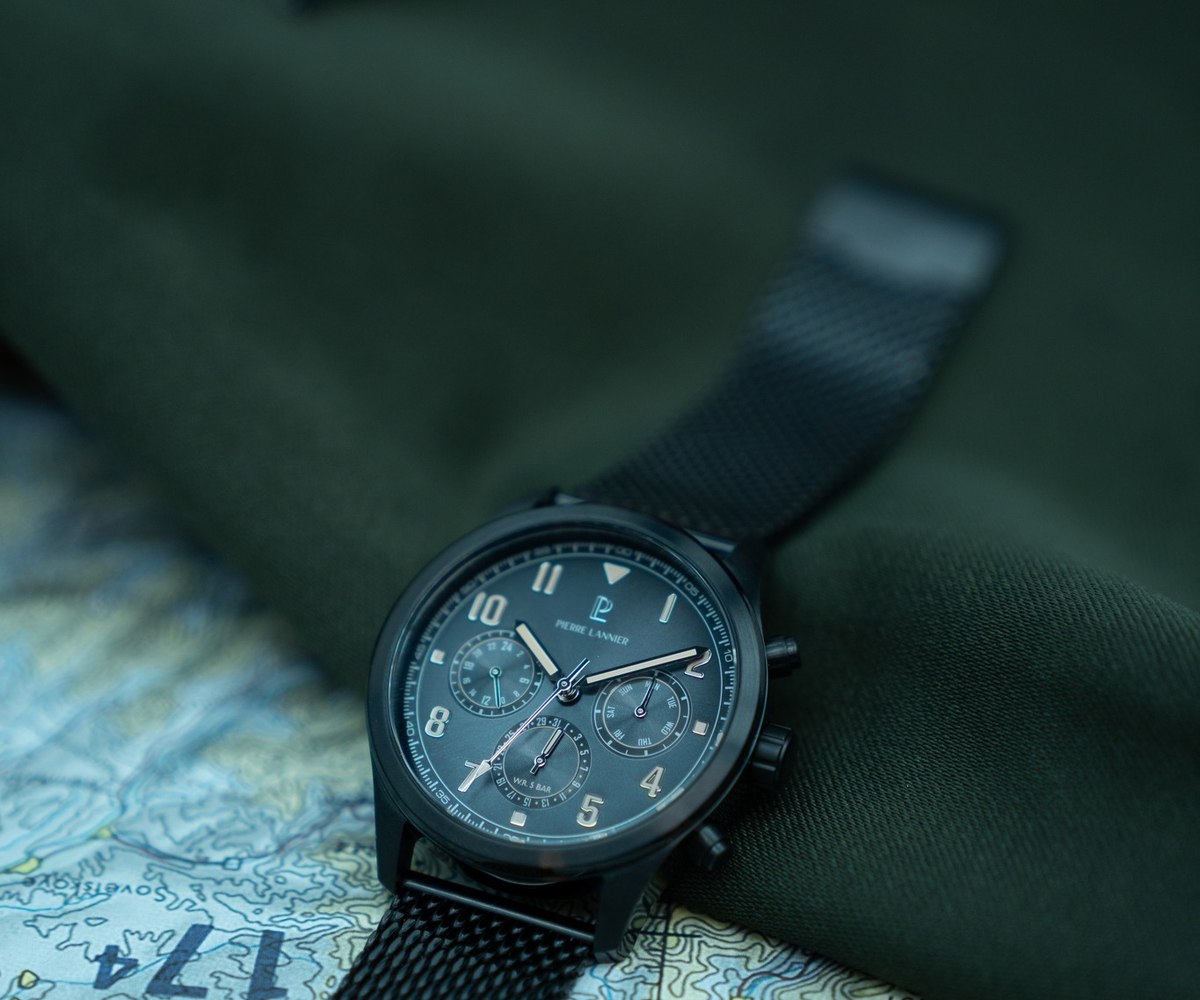
| What you see | What It Is | When Things Get Moving |
|---|---|---|
| The tall, slender central hand, often a different color | The chronograph hand. It counts the measured seconds. | Only between start and stop. When at rest, it's at zero. |
| A small sub-dial, usually at the 9 o'clock position | The small seconds hand of the current hour. | All the time, as long as the watch is running. It's your sign of life. |
| A small sub-dial at the 3 o'clock position, graduated to 30 or 60 | The timed minutes. | It moves forward one notch with each full rotation of the hour hand. |
| A small sub-dial at the 6 o'clock position, marked up to 12 | Timed events. | Rarely. This is the counter for long measurements. |
| The upper push button, at about 2 o'clock | Start and stop. | One press starts it, a second stops it, and a third picks up where we left off. |
| The lower push button, at about 4 o'clock | Reset. | It works only after the chronograph has been stopped. |
The most common layout. Some models have only two dials, while others place the small seconds sub-dial elsewhere, but the logic remains the same.
The gesture that no one taught you
Never press the lower pushpiece while the chronograph is running. On a traditional mechanical movement, resetting the chronograph while it is running puts excessive strain on the mechanism. Stop it first, then reset it. So-called “flyback” chronographs—designed to reset to zero with a single press—do exist, but they are rare, and they are clearly labeled as such.
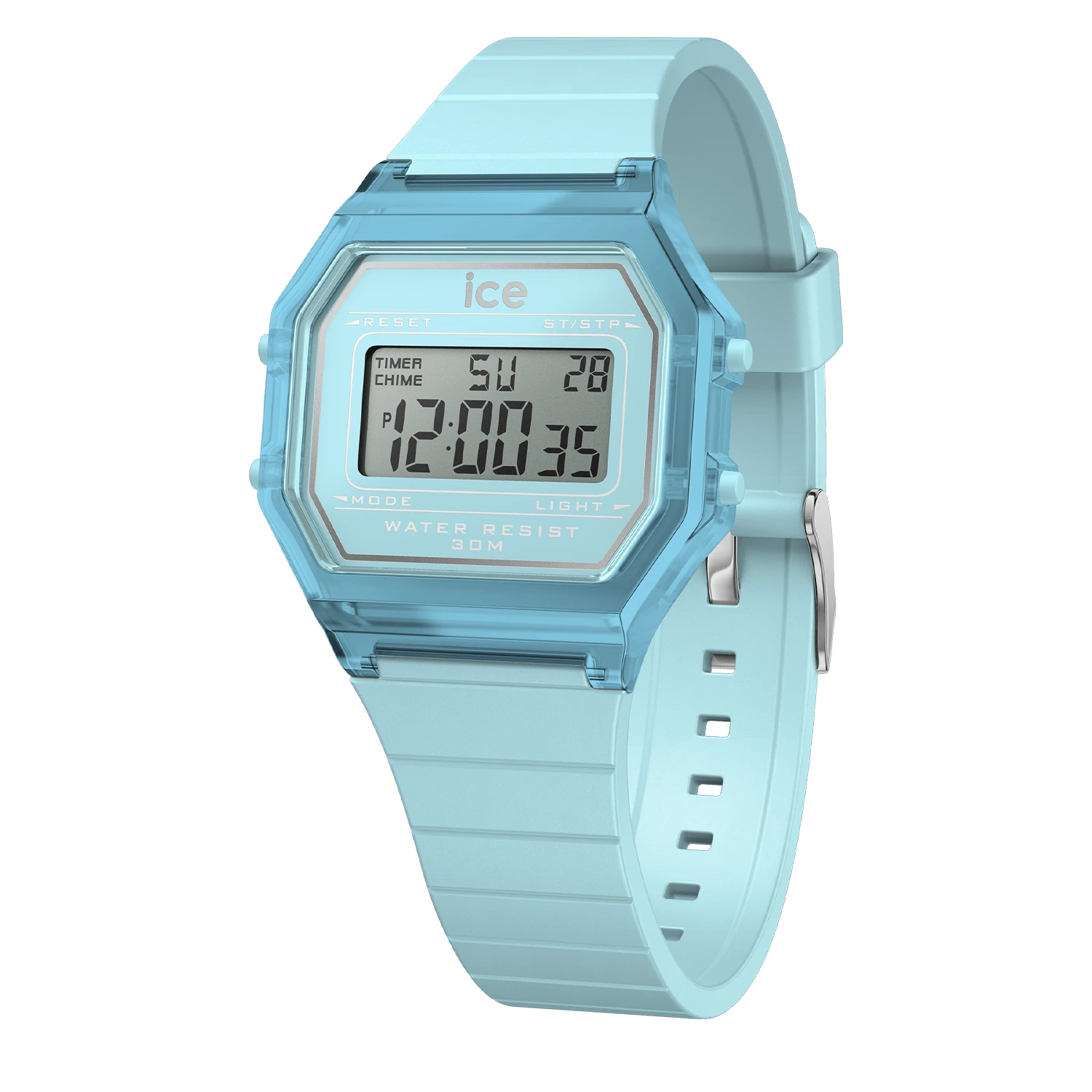
Ice-Watch
48,89 €
The digital version of the chronograph: the counters are numbers, but the logic remains the same.
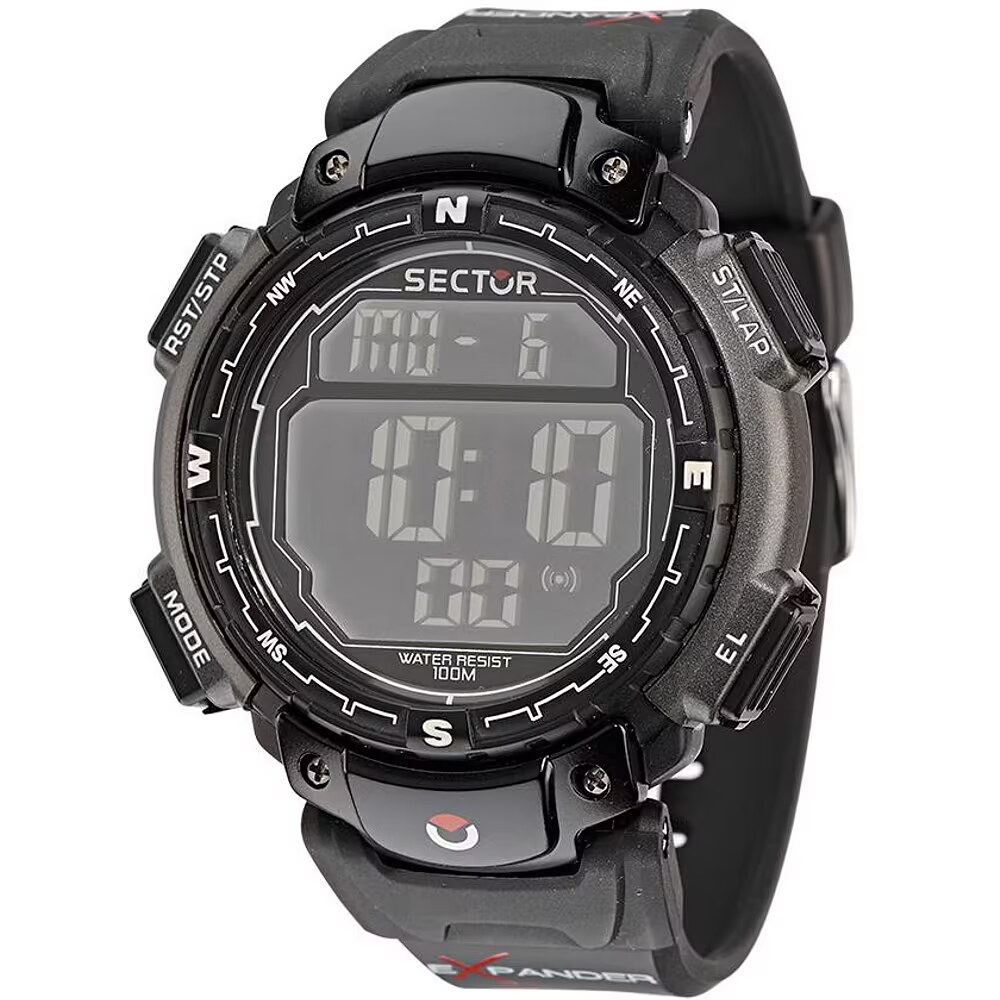
Sector
58,89 €
A chronograph for less than sixty euros—and the only one in the Sector line whose model number reveals the complication.
Casio
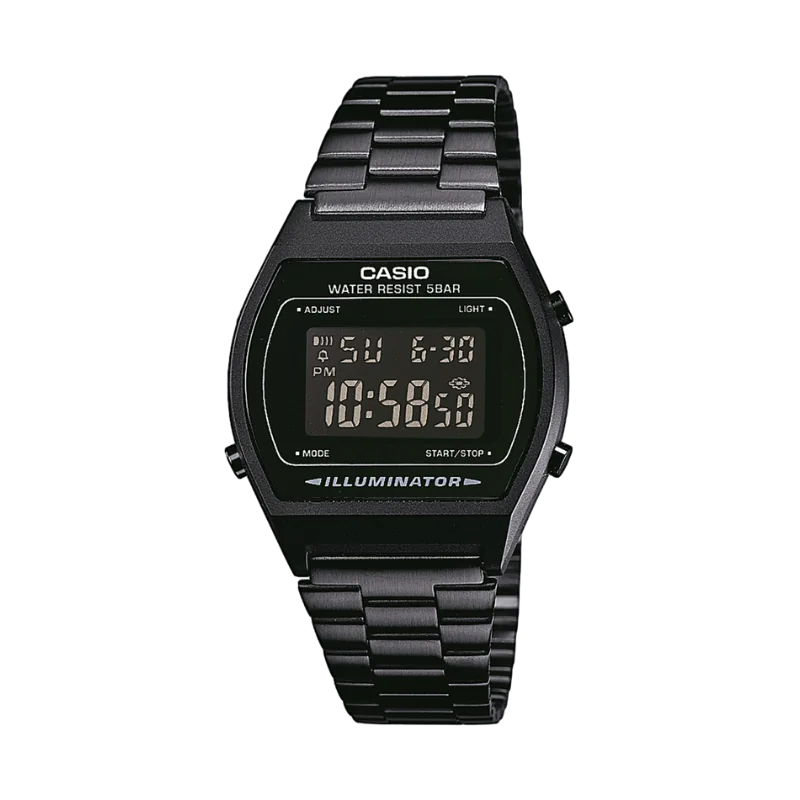
Casio Vintage Edgy Chronograph Collection - Black
59,77 €
Three dials on a 40-millimeter case. That's the original design, from the 1970s.
1816: An astronomer before a horseman
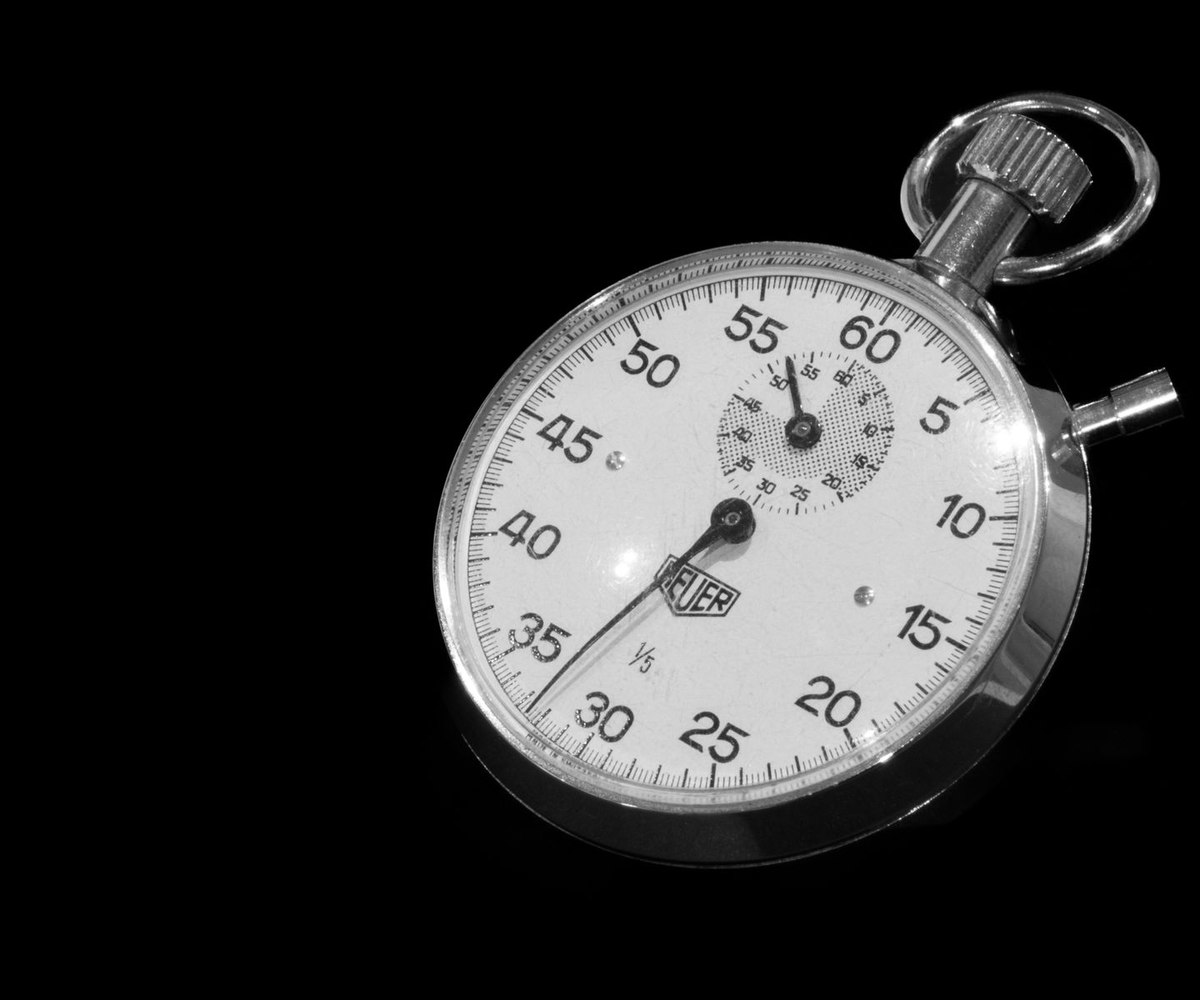
For nearly two centuries, the invention of the chronograph was attributed to Nicolas Rieussec. In 1821, Louis XVIII, a great lover of horse racing, wanted to know the exact duration of each race. Rieussec built a device for him that deposited a drop of ink on a rotating dial at the start and another at the finish; all that was needed was to measure the arc between the two marks. Hence the name, which literally means “that which writes time.”
This story is charming, but it’s false—at least as far as the chronology is concerned. In 2013, an instrument built by Louis Moinet in 1816—five years earlier—was discovered. Moinet had not designed it for horses but for astronomy: he called it a “third counter,” a “third” being one-sixtieth of a second. His machine ran at 216,000 vibrations per hour, a rate that ordinary watchmaking did not achieve again until the twentieth century.
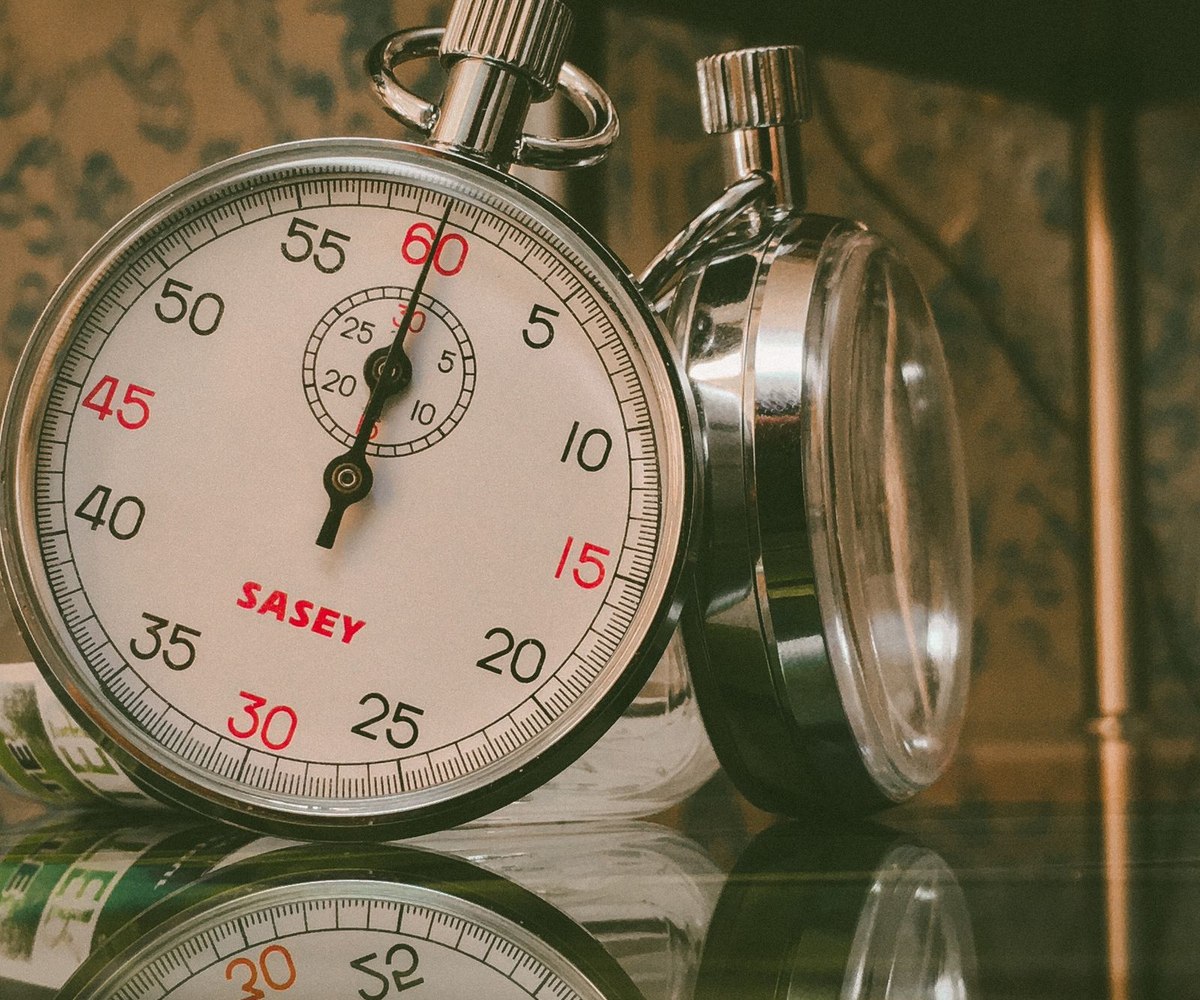
What remains of Rieussec, however, is the practice. The chronograph was created to measure more than just time, and it has spent two centuries keeping track of everything that can be timed: races, flights, dives, and experiments. That is why it has retained the vocabulary of an instrument, even though, for most of those who wear it, it has become an object that is never actually started.
The speedometer—that scale that no one reads
On many chronographs, a scale runs around the dial or on the bezel, with numbers that decrease as they move outward: 400, 300, 200, 150, 120, 100, 80, 70, 60. Often the word “tachymeter” appears there, and sometimes the notation “base 1000.” It is a speed calculator, and it is used in three steps.
| Step | What You Do | Why |
|---|---|---|
| 1 | Choose a starting point and an ending point that are one kilometer apart—a highway marker, for example. | The scale is calibrated for a distance of one kilometer; this is what "base 1000" means. |
| 2 | Start the stopwatch at the first point, and stop it at the second. | Only the big hand matters here. |
| 3 | Read the number that the long hand points to on the scale. | This is your average speed in kilometers per hour—no calculations required. |
The mechanism is disarmingly simple: the scale is not linear; it is graduated based on three thousand six hundred divided by the elapsed time. A kilometer traveled in forty-five seconds equals eighty kilometers per hour, and the hand lands precisely on the 80. The watch does not perform any calculations: the division is engraved in the spacing between the numbers.
Why does the scale stop at 60?
Because at speeds below sixty kilometers per hour, it takes more than a minute to travel one kilometer. The large hand would then complete a full rotation and start over, making it impossible to read. This is also why a speedometer is useless in the city, but very useful on a racetrack. The scale was designed for racing speeds, and it was never intended to do anything else.
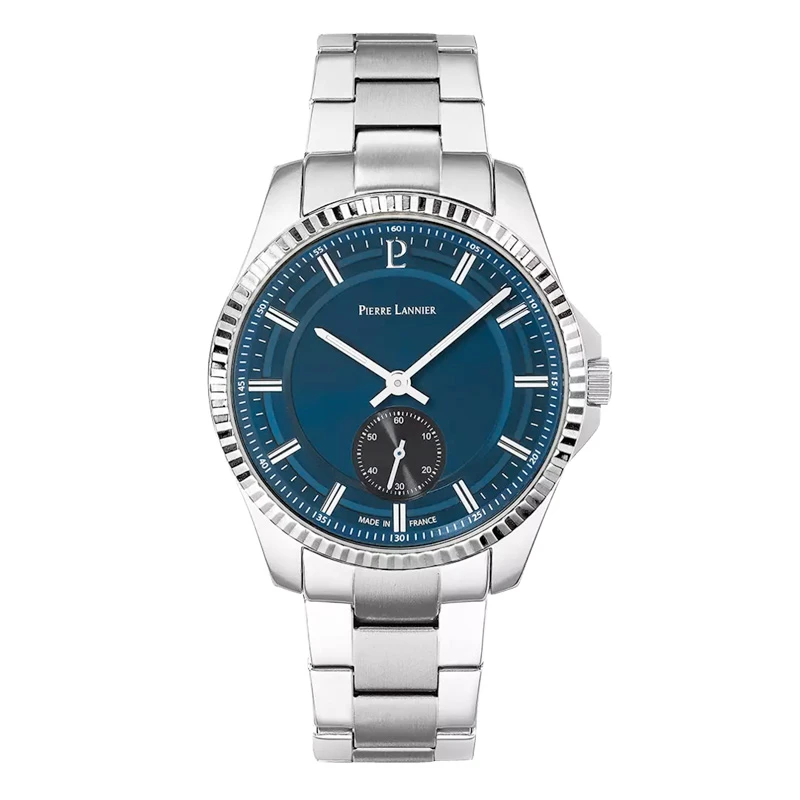
Pierre Lannier
Pierre Lannier Métropolitain Men's Watch with Petro Blue Dial
138,72 €
An elegant chronograph, designed to be worn under a shirt sleeve. The sub-dials are understated rather than sporty.
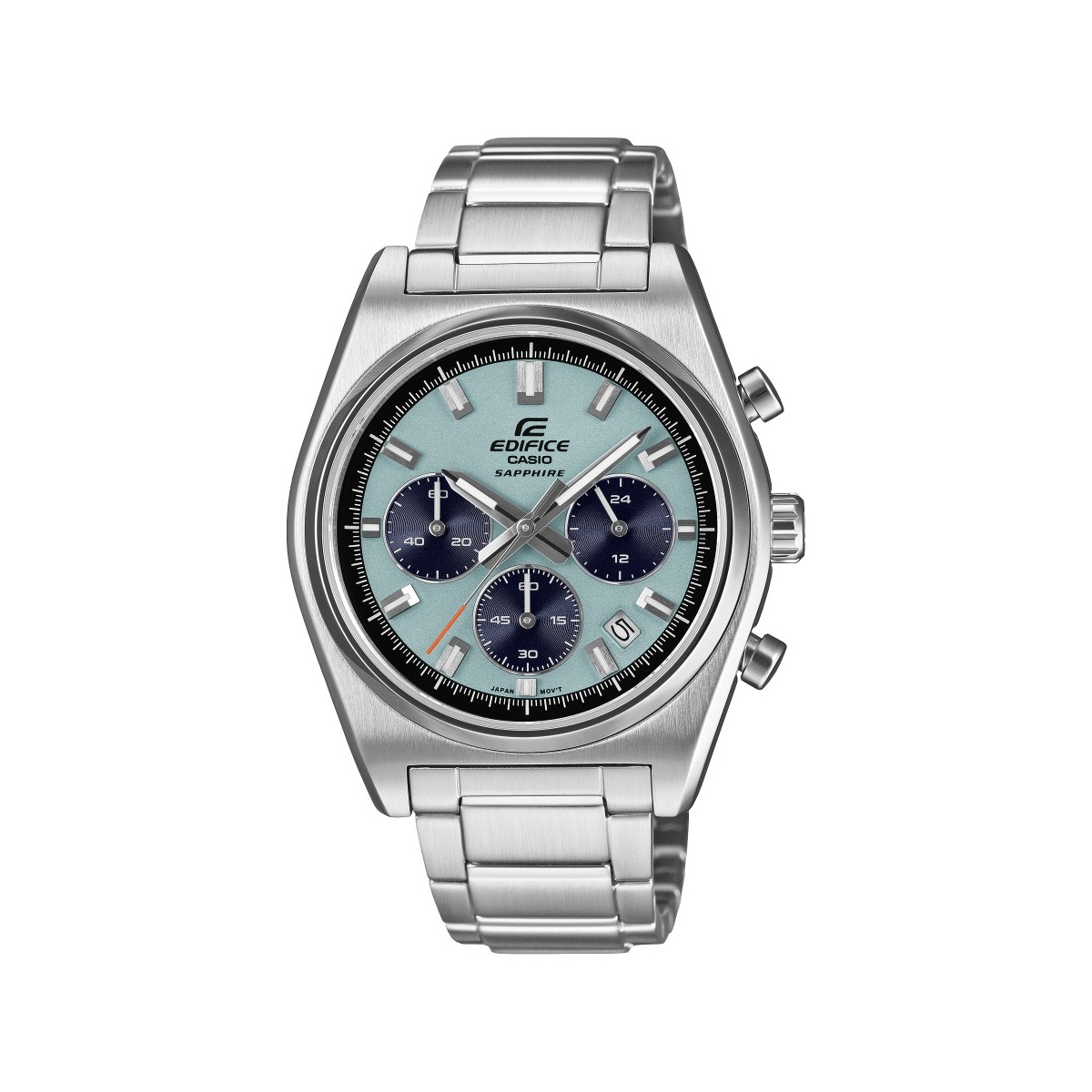
Casio
Casio EDIFICE Chronograph with Glacier Blue Dial
148,72 €
The Edifice line was inspired by automobiles. The dials are designed to resemble dashboard gauges.

Pierre Lannier
Pierre Lannier Baron Chronograph Blue Leather
188,51 €
Dark dial, light sub-dials: the most readable contrast when you're actually timing something.
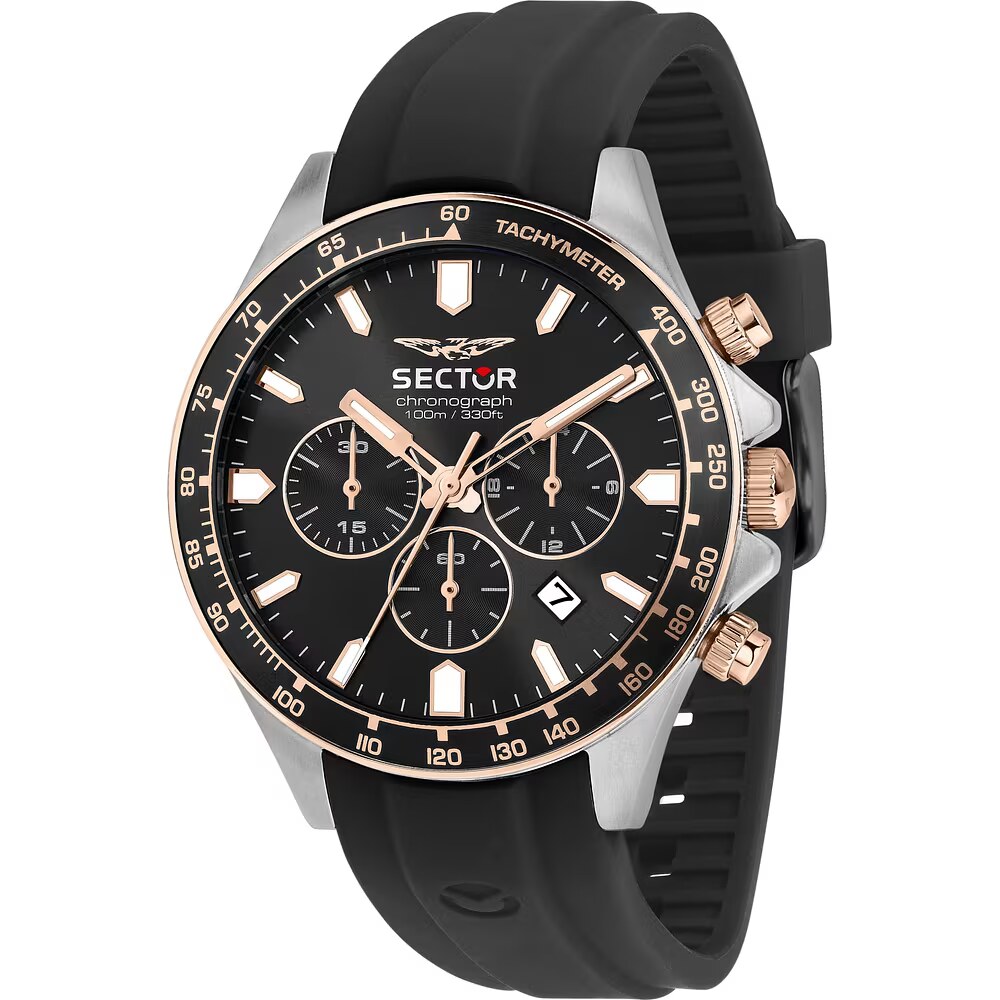
Sector
Sector 230 Chronograph in Silver and Rose Gold
188,64 €
The Sector chronograph in its most classic version, featuring a graduated bezel that serves as a scale.
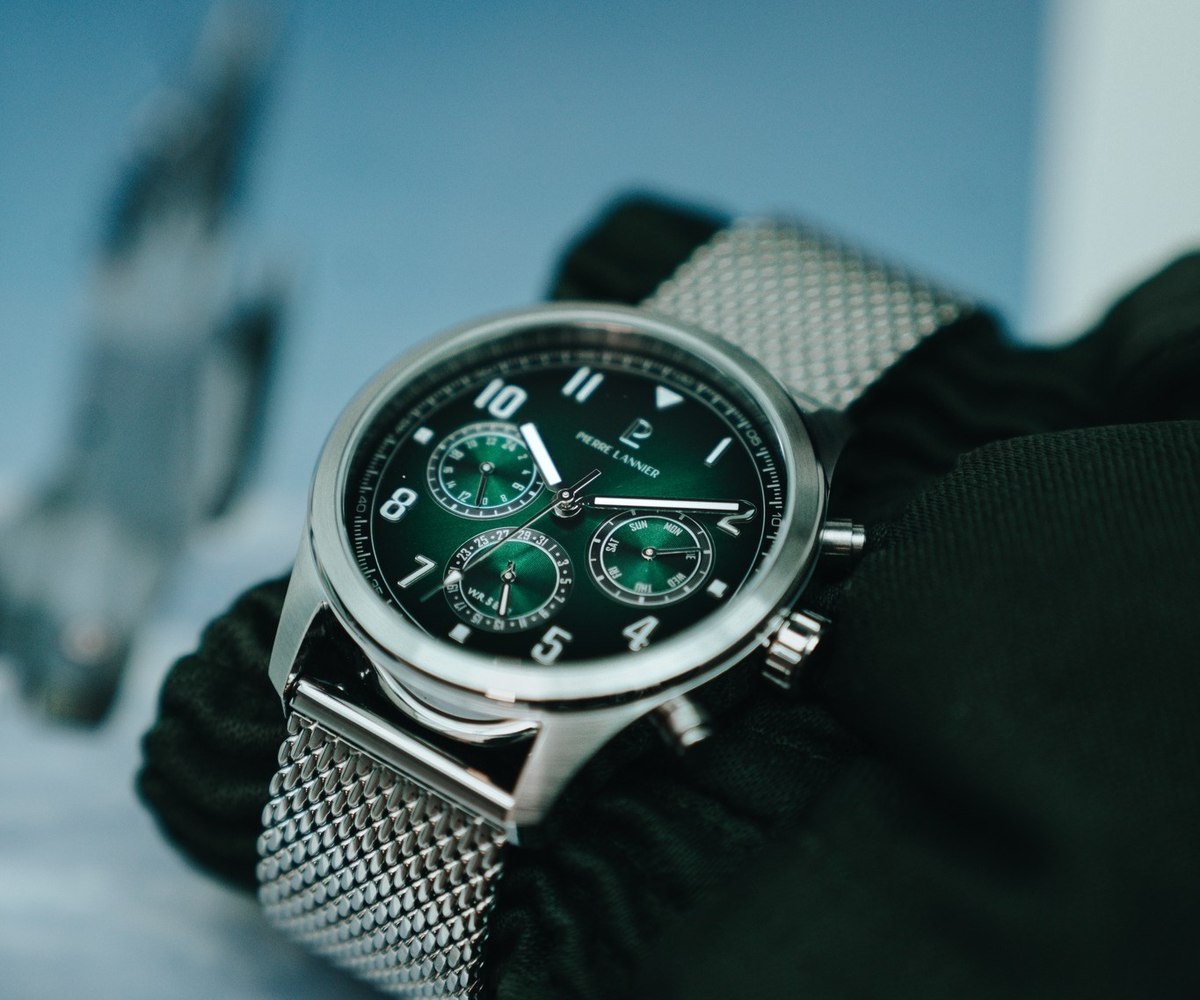
A chronograph is not a chronometer
The two words sound alike, they refer to two unrelated things, and the confusion is so widespread that the Swiss agency responsible for this issue has dedicated a page on its website to it.
A chronograph is a watch capable of measuring elapsed time. It is a function—a complication added to the movement. A chronometer is a watch whose accuracy has been certified by an independent laboratory. It is a certification, not a mechanism.
| Chronograph | Stopwatch | |
|---|---|---|
| What It Is | A function for measuring durations | A precision certification |
| What We Check | Let the meters run | Let the watch keep time for fifteen days |
| The standard | None: It's a complication, not a label | ISO 3159, in effect since 1976 |
| Tolerance | Not applicable | From minus four to plus six seconds per day |
| The Event | Not applicable | Fifteen days, five positions, three temperatures: eight, twenty-three, and thirty-eight degrees |
A watch can therefore be both, one of the two, or neither. A forty-euro chronograph is a true chronograph if it actually measures time. A three-hand watch without any sub-dials can be a certified chronometer. The two terms are not interchangeable.
Quartz, mechanical, automatic: what's the difference?
A quartz chronograph measures to the nearest tenth of a second—sometimes to the nearest hundredth—is inexpensive, and requires only a single battery. It is, by far, the most common and practical way to own a chronograph. If you plan to use it to time cooking, a trip, or a workout, the question is settled before it’s even asked.
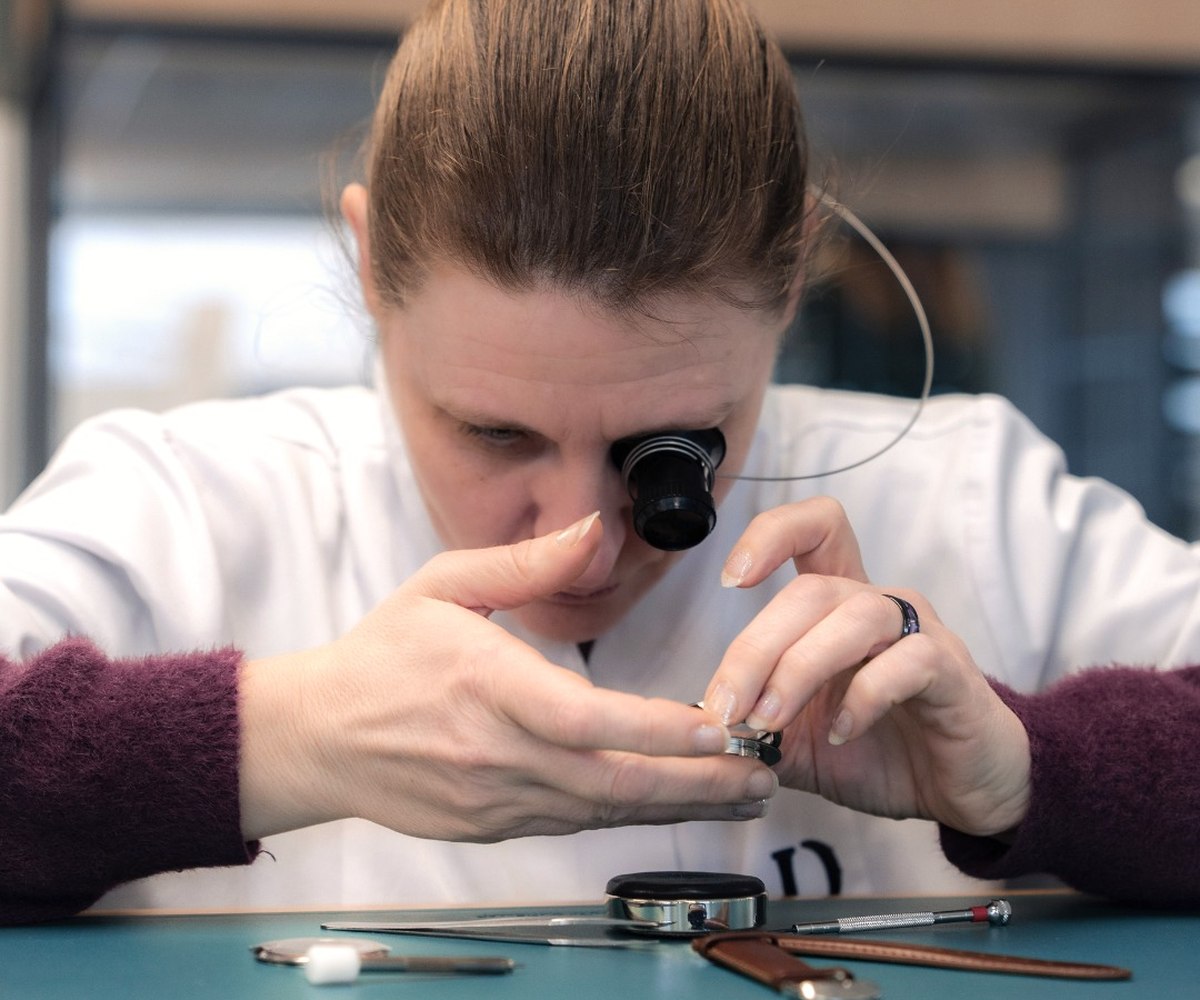
A mechanical chronograph is a different story. The chronograph is one of the most difficult complications to incorporate into a movement, because it requires engaging and disengaging a gear train on a component that is already rotating, without disrupting it. That explains the price difference, and it’s also what you’re paying for: the crisp click of the pushpiece, the hand that springs into action instantly, and the fact that nothing inside relies on a battery.
An automatic movement features a rotor that winds the mainspring with the natural motion of the wrist. The chronograph is then layered on top of an already complex movement, resulting in the thickest and most expensive watches on this page.
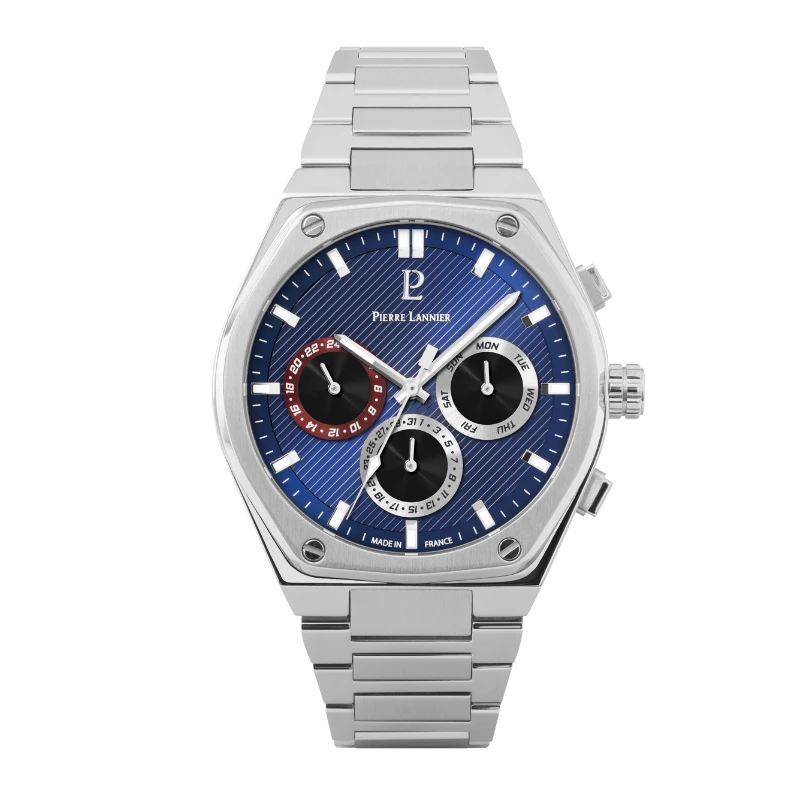
Pierre Lannier
Pierre Lannier Copilote Chronograph with Blue Dial
228,43 €
Copilote: The name says it all. Aviation-style dial, large gauges, easy-to-read display.
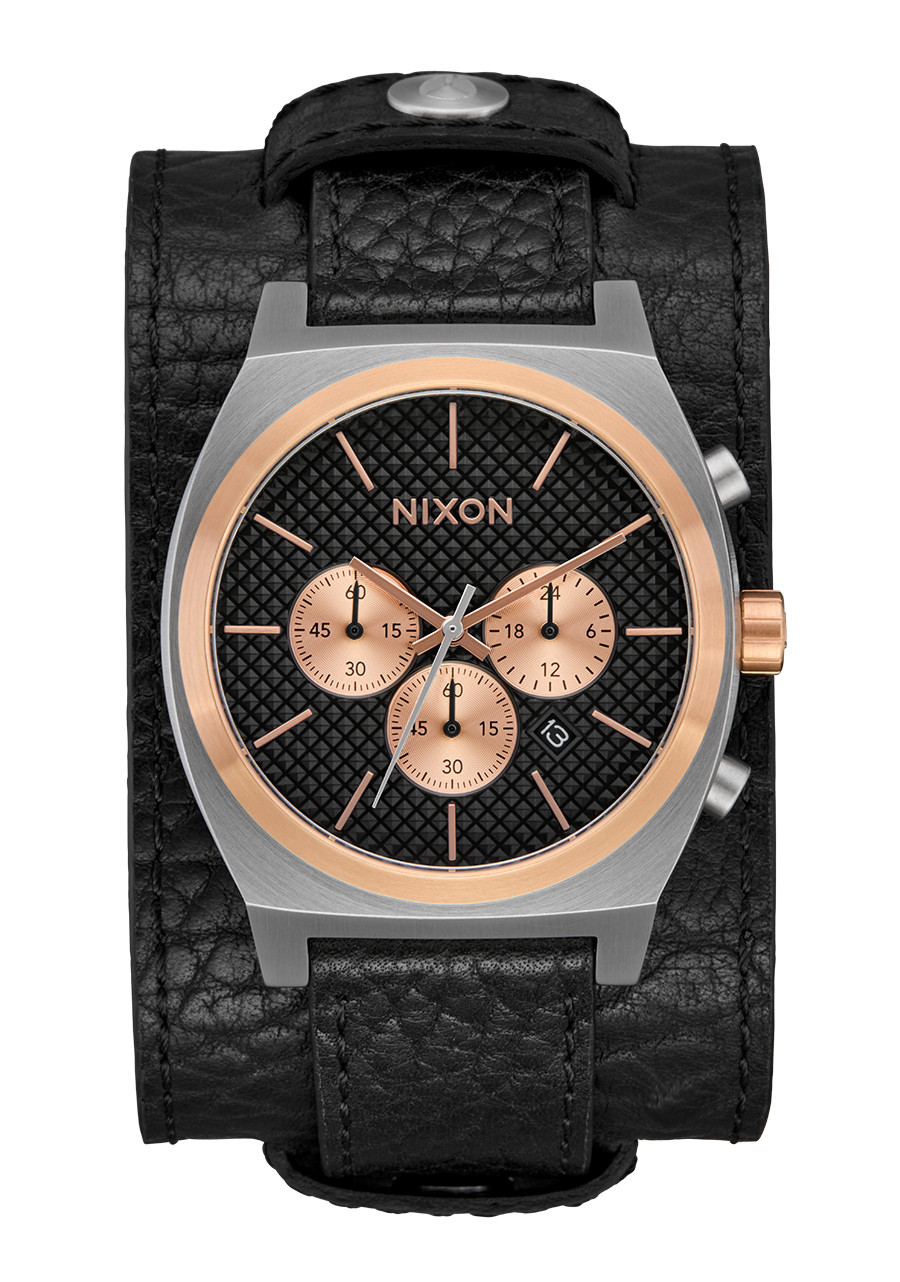
Nixon
Nixon Time Teller Chrono Leather Silver / Rose Gold
229,54 €
The chronograph as designed by Nixon—that is, wider and more bold than the traditional style.
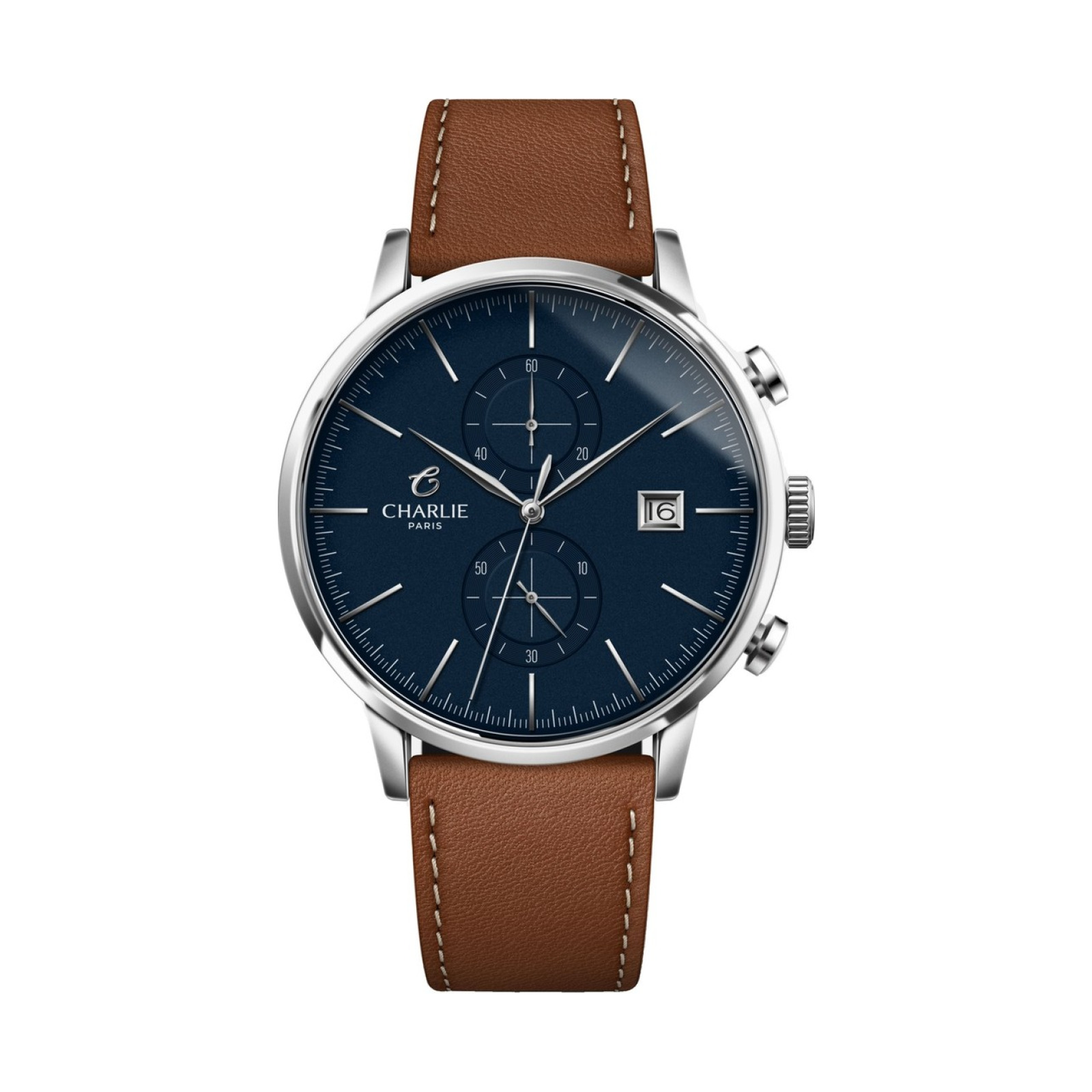
Charlie Paris
Charlie Paris HORIZON Chronograph, Blue
274,46 €
Designed and assembled in France, sapphire crystal, 40-millimeter stainless steel case.
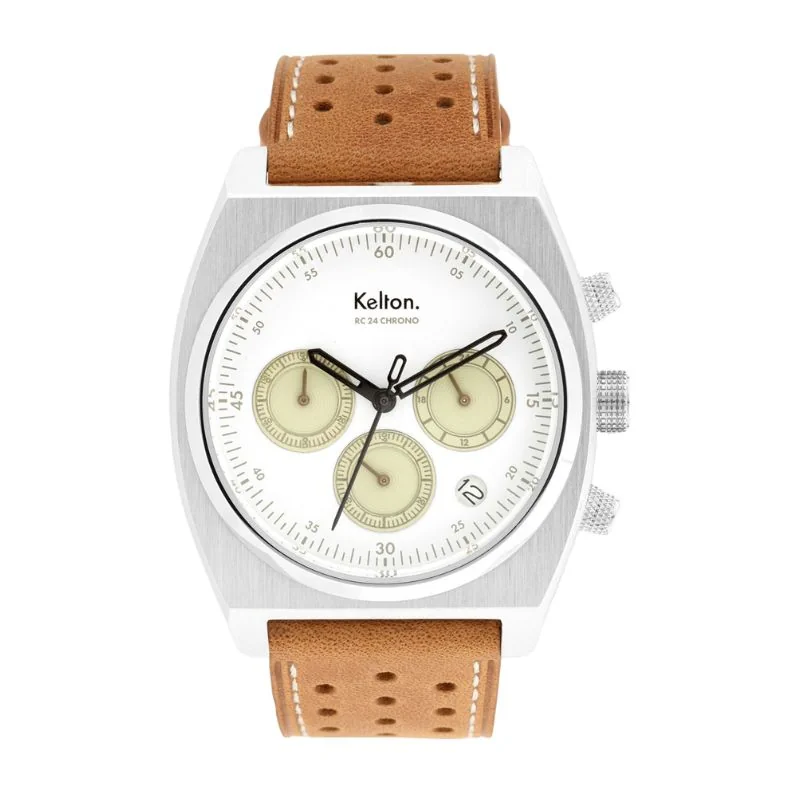
Kelton
Kelton RC24 Chronograph in Brown and White
295,00 €
Kelton embraces its automotive heritage: the RC24 is a driver's chronograph, complete with the leather accents to match.
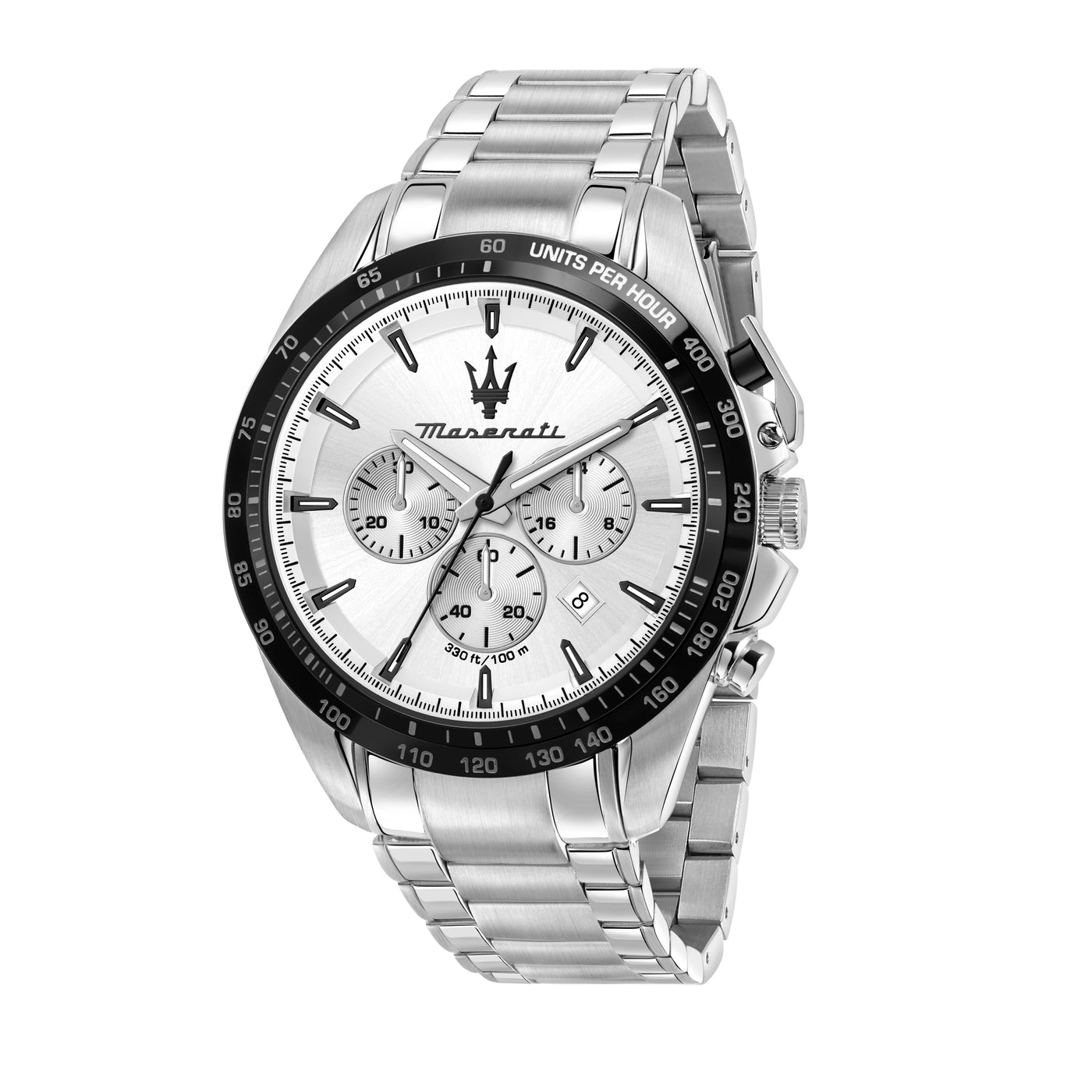
Maserati
Maserati Traguardo Chrono Silver
317,40 €
"Traguardo" means "finish line." The vocabulary of the chronograph is always drawn from the world of racing.

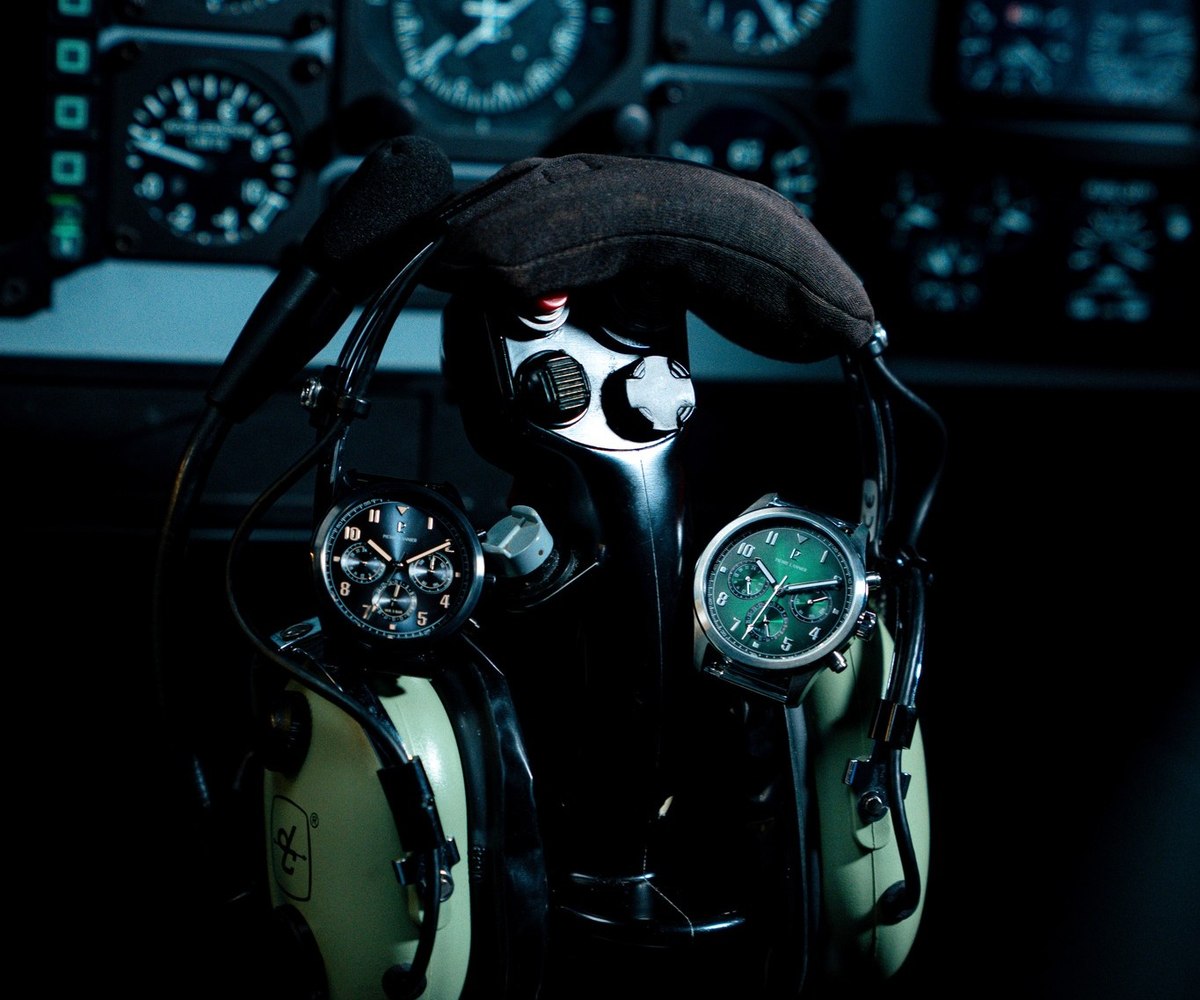
Why Do So Many Chronographs Look Like Instrument Panels?
This isn't just a stylistic flourish. Before onboard computers, a pilot navigated by dead reckoning: course, speed, and elapsed time. Knowing exactly how many minutes you've been on a given course means knowing where you are. The wrist chronograph was a navigational instrument just like the compass.
This is where the design elements we see today on watches that aren't meant to be worn anywhere come from: large Arabic numerals, high contrast, oversized hands, a graduated bezel, and sometimes a circular slide rule for converting miles to kilometers or calculating fuel consumption.
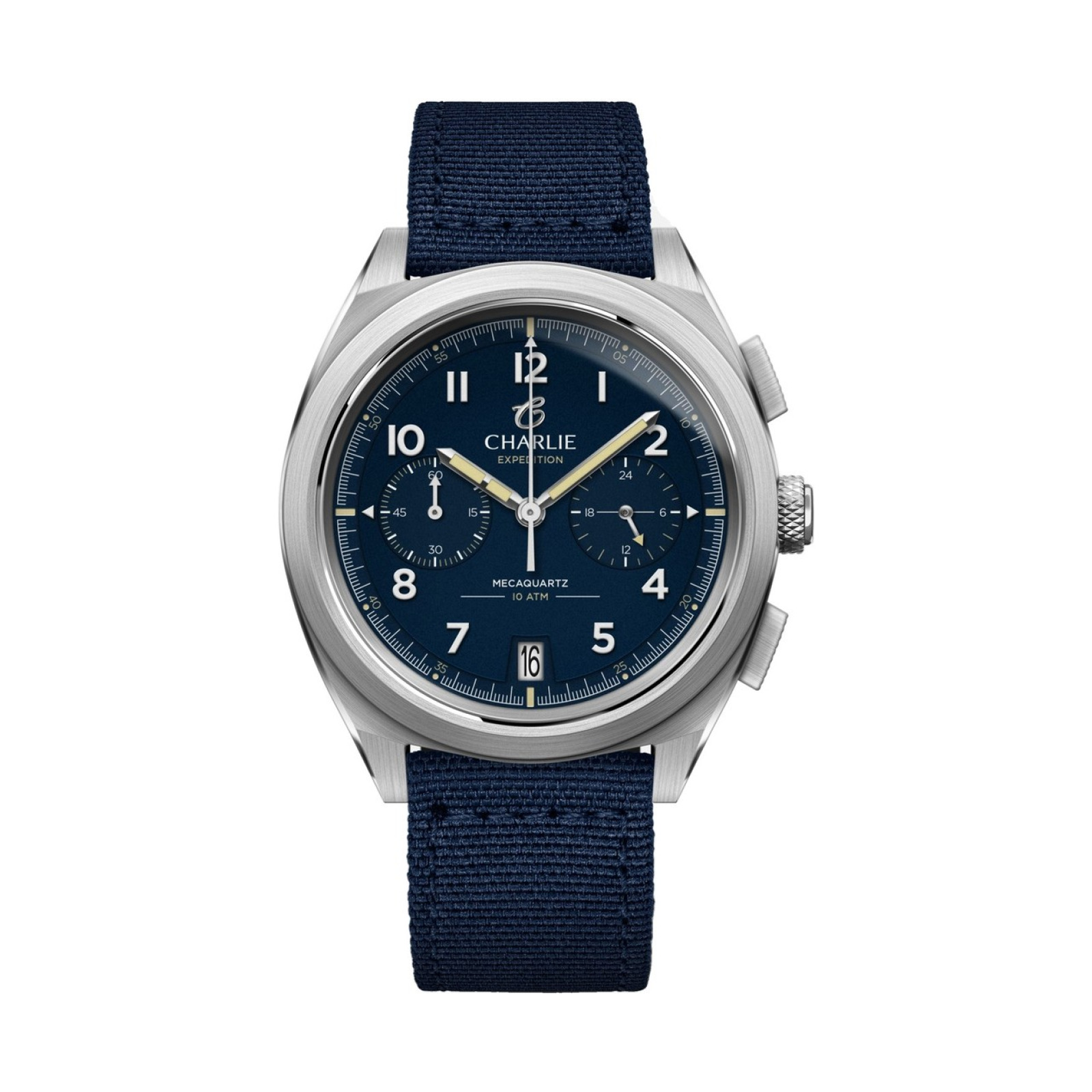
Charlie Paris
Charlie Paris GR Blue Chronograph
424,17 €
Charlie Paris's top-of-the-line chronograph, featuring the deep blue that has become the brand's signature.
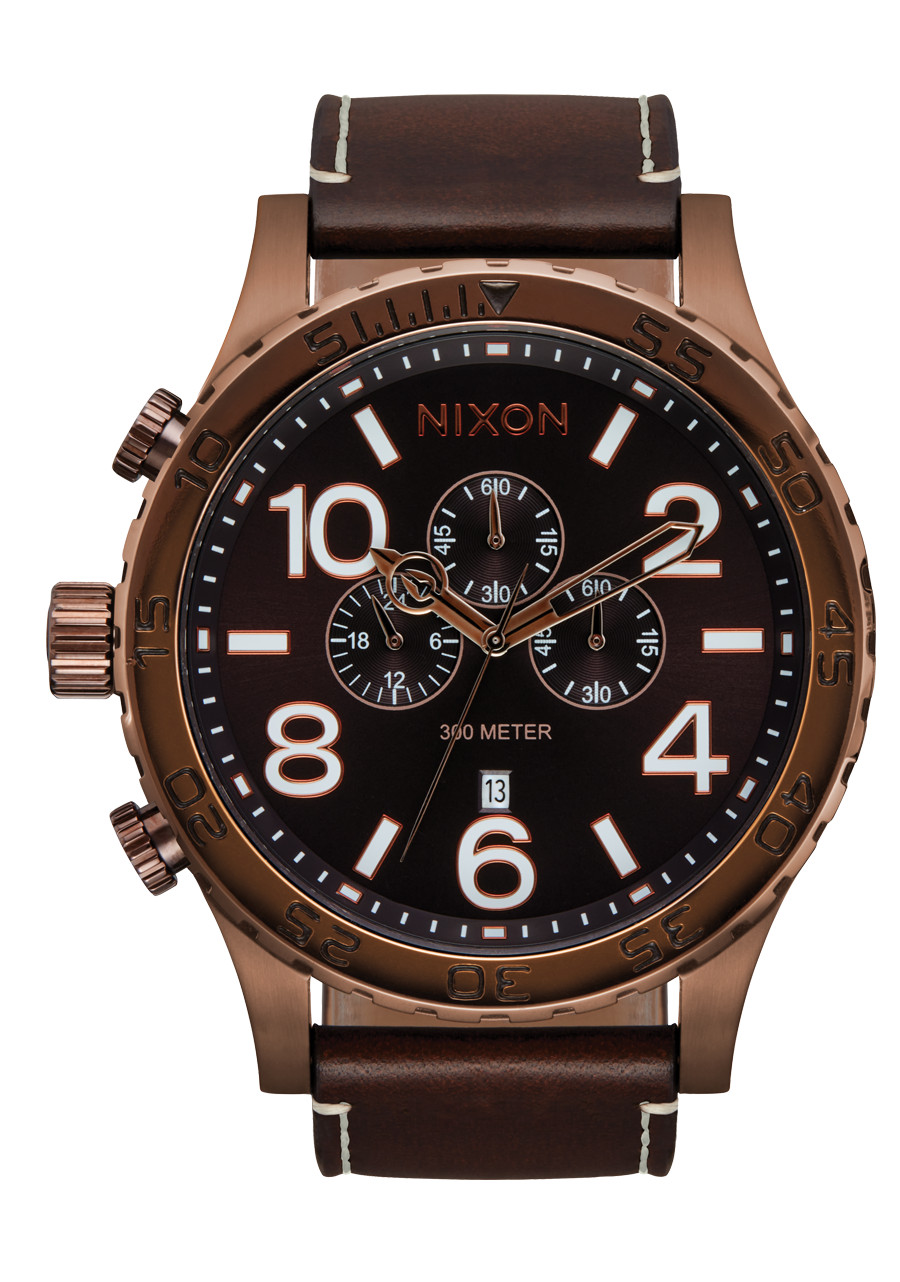
Nixon
Nixon 51-30 Chrono Leather Chocolate / Dark Roast /
499,03 €
A 51-millimeter case and 30 atmospheres. This is the chronograph taken to the extreme.
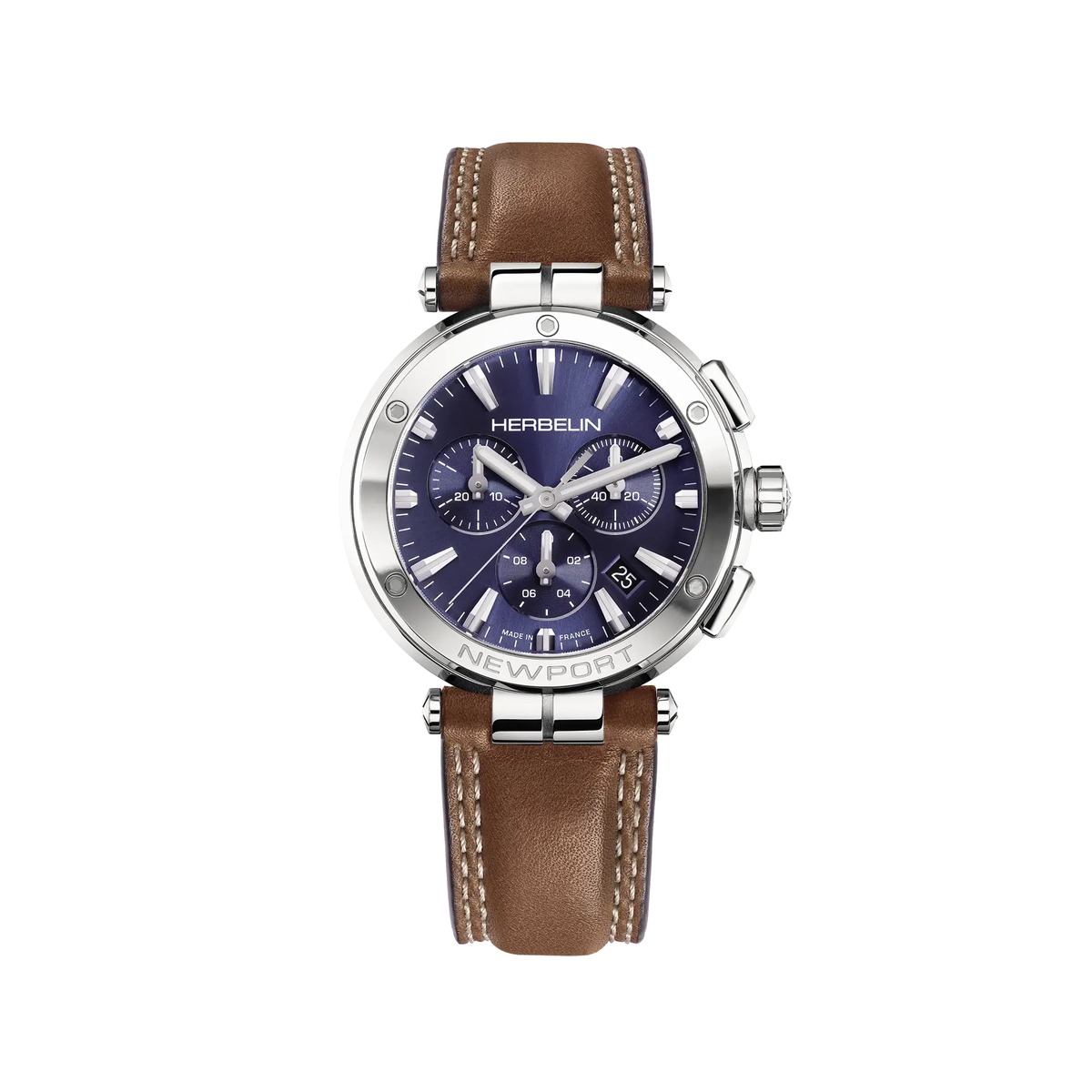
Michel Herbelin
Michel Herbelin Newport Chrono Quartz 37658AP15GD Ac
698,54 €
The Newport is Michel Herbelin's marine chronograph, which has been in production since the 1980s.
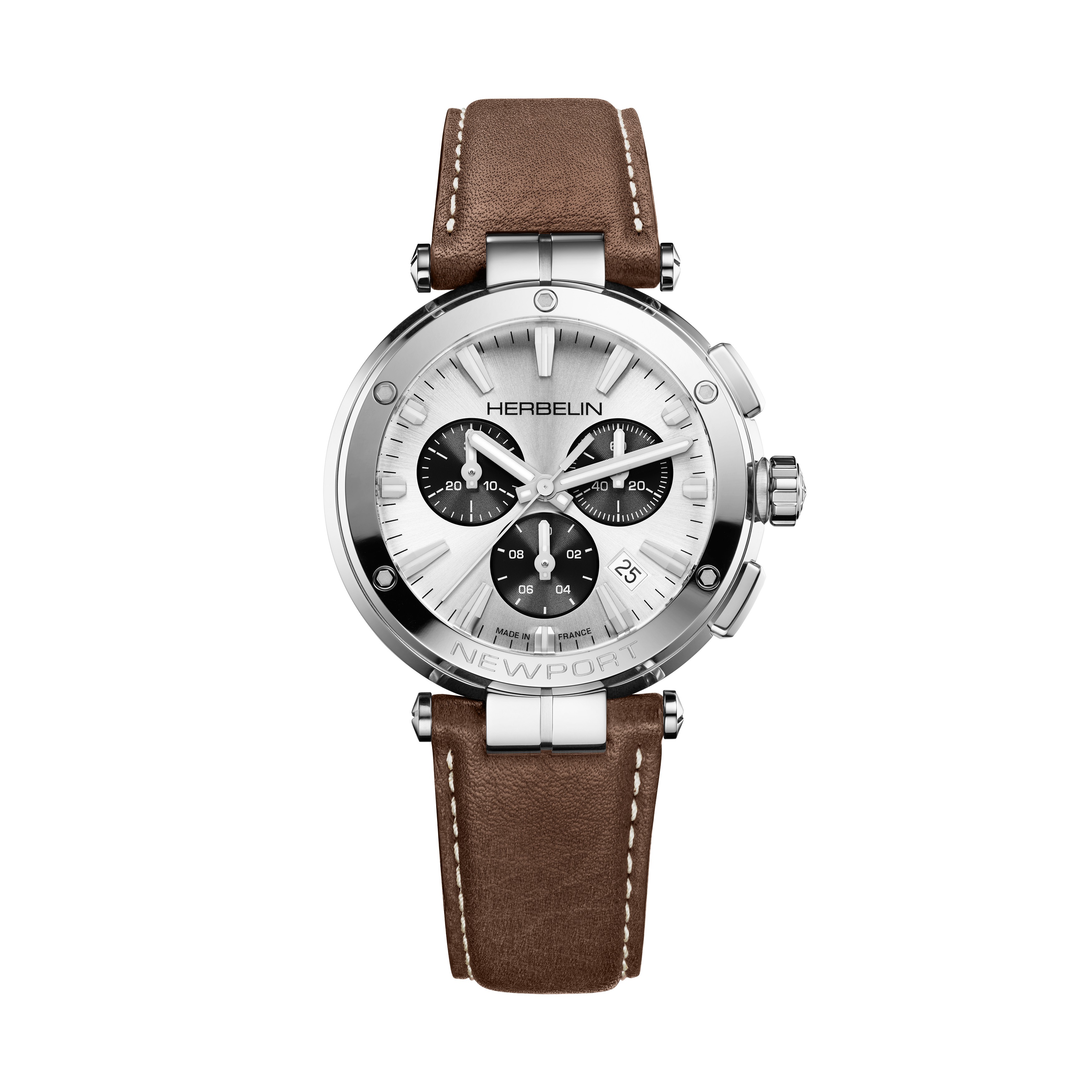
Michel Herbelin
NEWPORT CHRONOGRAPH IN WHITE, GRAY, AND BROWN LEATHER
698,65 €
Contrasting dials and brown leather: the most legible version of the Newport chronograph.
Counterfeit Chronographs, and How to Spot Them
There are a great many watches whose dials feature three small circles that serve no practical purpose. The counters are either printed or are actual decorative dials connected to nothing. These are called “dummy chronographs,” and they aren’t necessarily deceptive: many simply incorporate the design without claiming to perform the function. The problem is that you often don’t realize this until you get home.
| The sign | What to Watch |
|---|---|
| The pushers | A true chronograph has two buttons on either side of the crown. No pushers, no chronograph. If there are any, press them: they should click and trigger a movement. |
| The Big Needle | If it rotates continuously, like on a regular watch, it's not a chronograph hand. On a real chronograph, it stands still. |
| Meters | On a fake watch, the three small hands are frozen in place, or one of them moves while the other two never do. |
| The Fact Sheet | Look for “chronograph” in the features, not just in the name. A multifunction dial, a date window, and a day indicator make up three sub-dials that have nothing to do with a chronograph. |
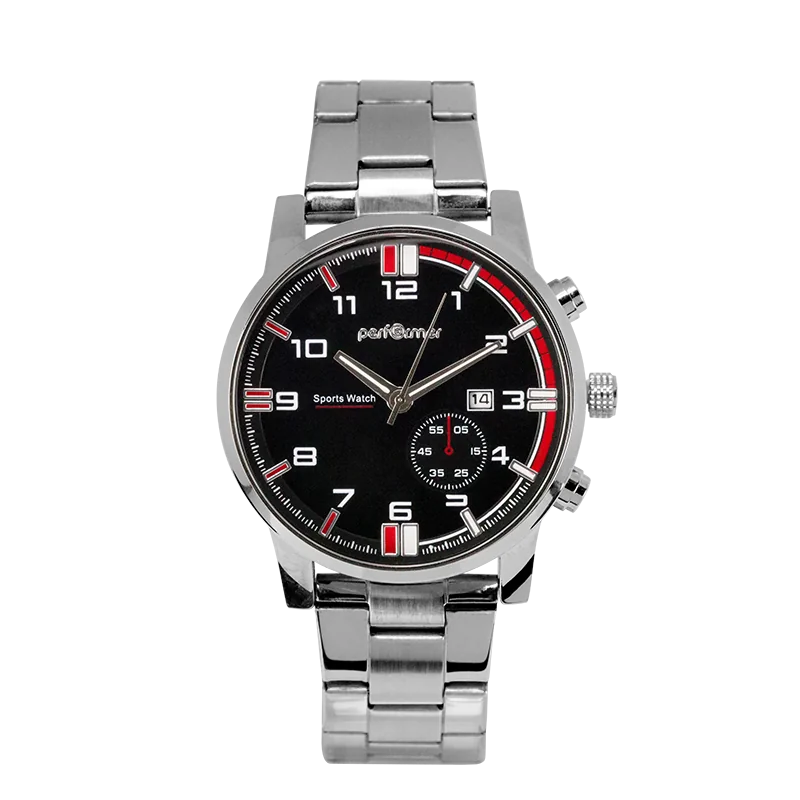
Performer
Performer Dummy Metal Chronograph
34,81 €
Honest description: “dummy chronograph.” The counters are just drawn on; they don’t measure anything. Not everyone makes that clear.
When the chronograph becomes a workshop piece once again
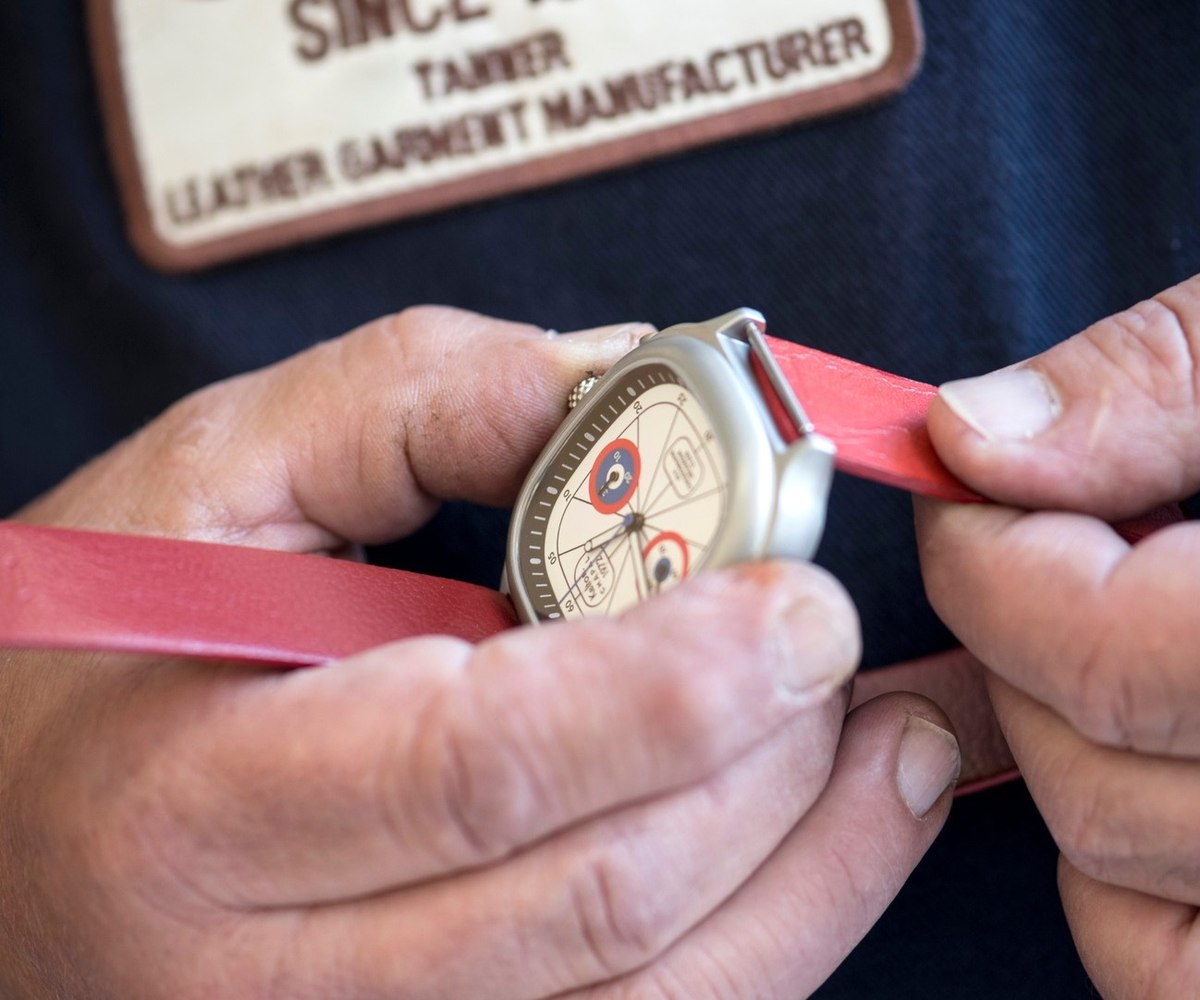
At the other end of the spectrum, the mechanical hand-wound chronograph has become more of a collector’s item than a timepiece. Kelton has produced a limited, numbered edition of this watch, featuring leather from the Chapal manufactory—a company founded in 1832 whose history is intertwined with that of aviation and the automobile: it was Chapal that outfitted aviators back when flying meant enduring the cold.
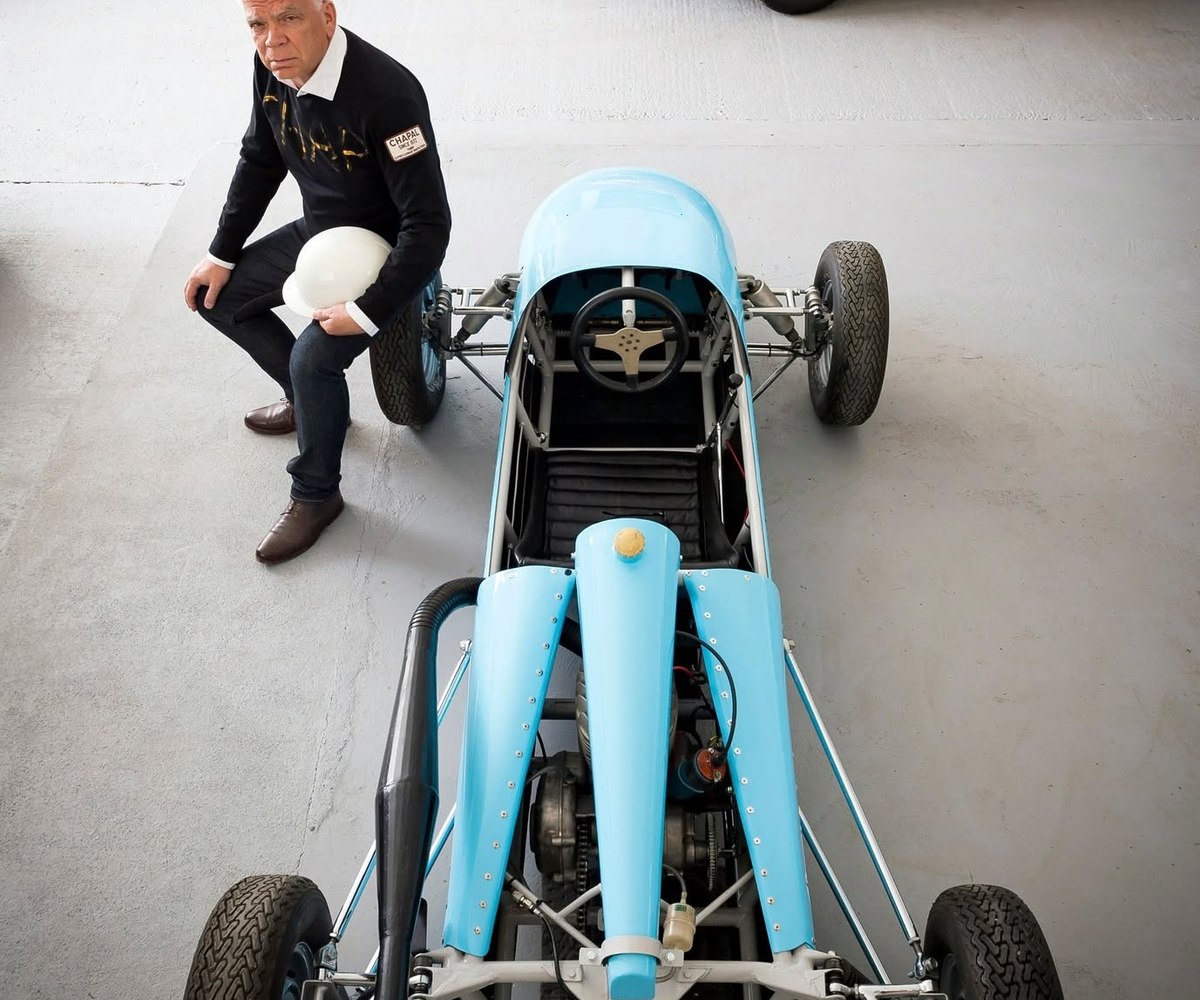
Buying a chronograph like this serves no practical purpose. You’re buying a ritual—a mechanical watch you wind up in the morning—and an object with a date of manufacture and a serial number. It’s completely unreasonable, and that’s exactly why it still exists.
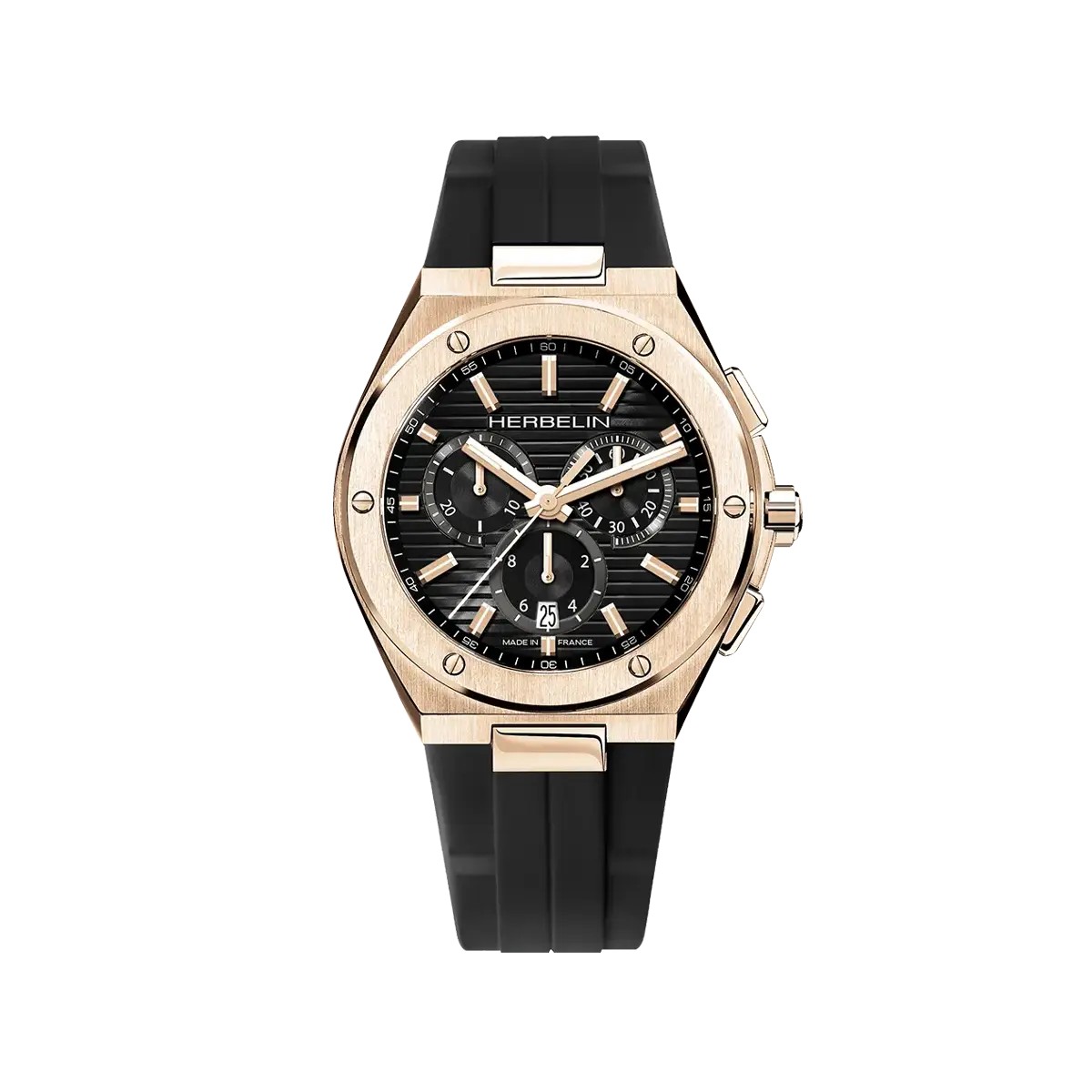
Michel Herbelin
CAP CAMARAT CHRONOGRAPH BLACK & ROSE GOLD PVD
948,18 €
Cap Camarat in black and rose gold. Here, the chronograph transitions from a functional tool to a dress watch.
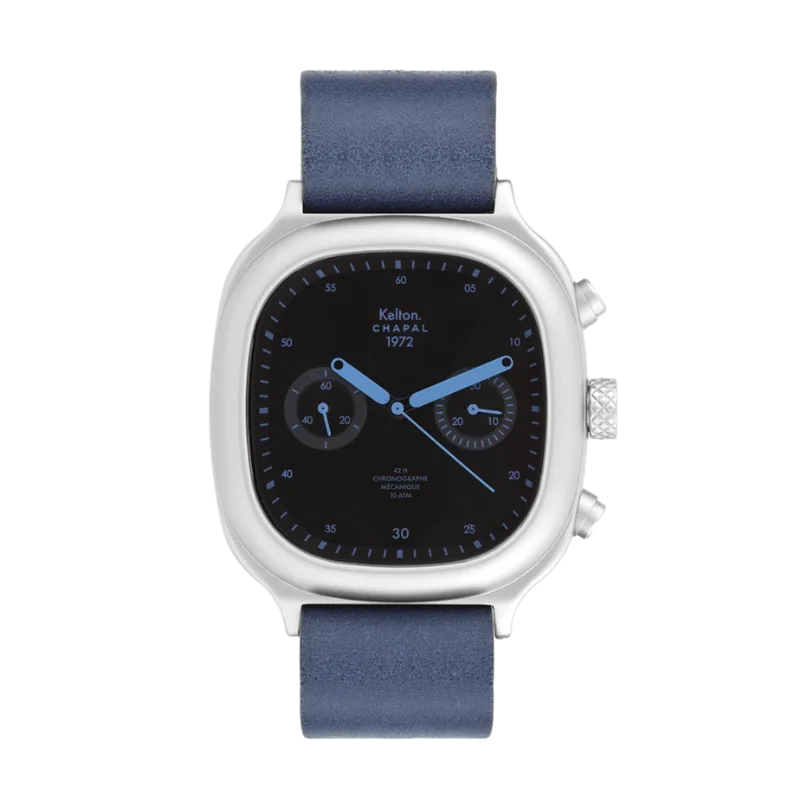
Kelton
Kelton X Chapal 1972 Skyblue Chronograph
1147,80 €
Mechanical chronograph with manual winding, limited and numbered edition, featuring leather by Chapal.
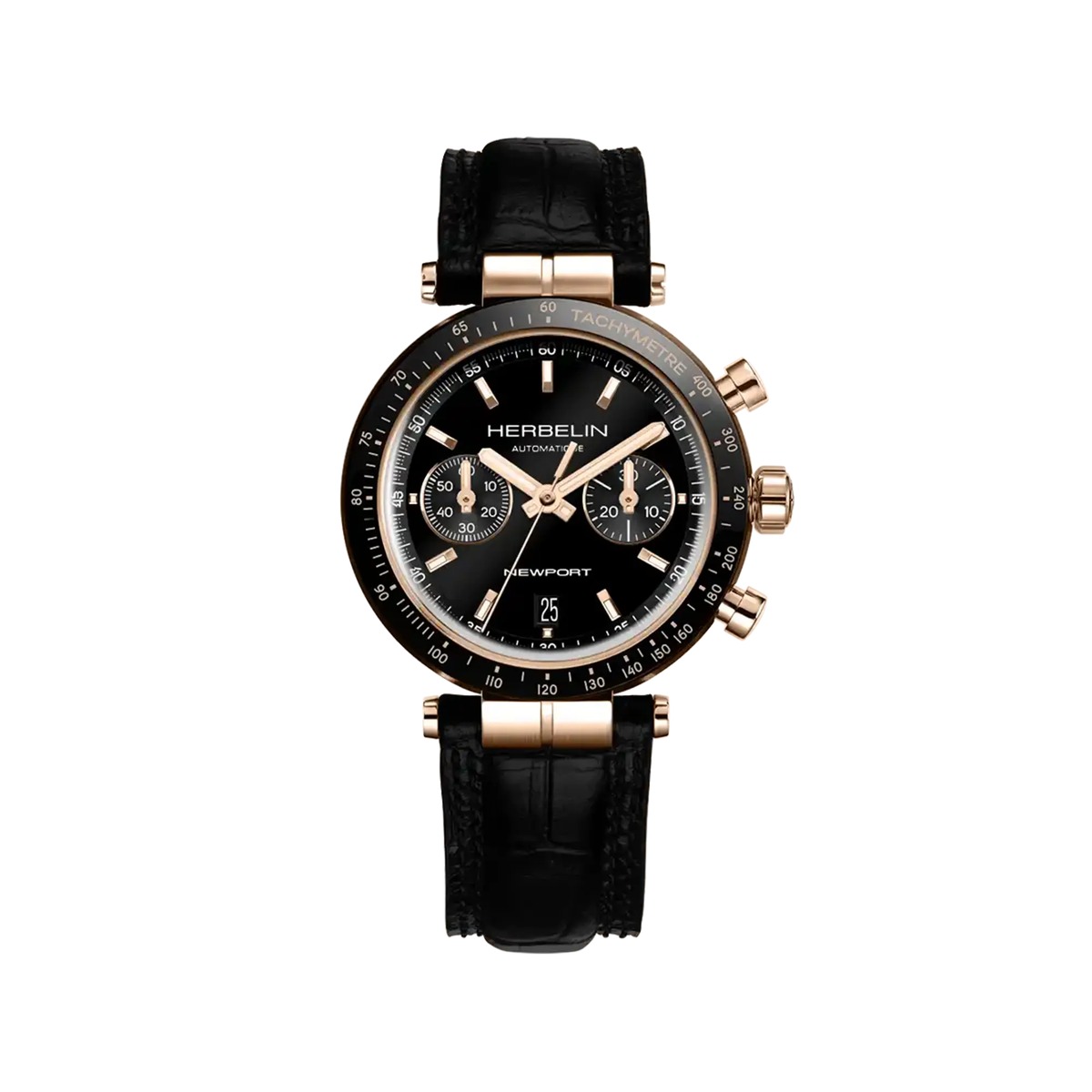
Michel Herbelin
Michel Herbelin Newport Automatic Chronograph, Black PVD
2999,89 €
An automatic chronograph: the rotor winds the mainspring, and the complication is built on top of that.
How to Choose Yours
| Your Situation | What to Aim For | Why |
|---|---|---|
| You're mainly interested in the design, not the function | A quartz chronograph, or a full-fledged multifunction watch | There's no need to pay for a complication you won't be using. But check the pushers anyway. |
| Do you really time everything: sports, cooking, work? | A quartz watch with contrasting dials | It measures to the nearest tenth, the reading is instantaneous, and the battery lasts for years. |
| Are you driving or flying? | A chronograph with a tachymeter and large numerals | The scale finally comes into play, and the contrast is immediately apparent. |
| Are you looking for something that will last? | A mechanical chronograph | Nothing depends on a battery, and the movement can be repaired indefinitely. |
| You are giving | Three sub-dials, dark dial, leather strap | This is the most popular style, and it can be worn on any occasion. |
| You're unsure about an ad | Count the push buttons | Two buttons on either side of the crown: that's the only sure sign. |
Frequently Asked Questions
Why isn't the hour hand on my chronograph moving?
Because that's how it's supposed to be. On a chronograph, the central seconds hand is part of the timing function, not the current time. It remains stationary at zero until you press the top pusher. The seconds of the current time are displayed by a small hand in a sub-dial, usually at the 9 o'clock position: that's the one that rotates continuously.
What are the two buttons on a chronograph used for?
The top button, at about the 2 o'clock position, starts and stops the timing: press it once to start, a second press to stop, and a third press to resume from where it left off. The bottom button, at about the 4 o'clock position, resets the timer, and it should only be used after the chronograph has been stopped.
How do you read a tachometer?
Start the stopwatch at a given point, stop it exactly one kilometer further on, and then read the number indicated by the large hand on the scale: that is your average speed in kilometers per hour. The scale is calibrated based on three thousand six hundred divided by the elapsed time, which explains why it stops at sixty: below that, it takes more than a minute to travel one kilometer, and a reading is no longer possible.
What is the difference between a chronograph and a chronometer?
A chronograph is a watch capable of measuring elapsed time; it is a function. A chronometer is a watch whose accuracy has been certified by an independent laboratory in accordance with ISO 3159, with a tolerance of minus four to plus six seconds per day after fifteen days of testing in five positions and at three temperatures. A watch can be both, one or the other, or neither.
Who invented the chronograph?
The invention was long attributed to Nicolas Rieussec, who in 1821 built a device for Louis XVIII that marked time with ink, in order to time horse races. The discovery in 2013 of an instrument by Louis Moinet dating from 1816, the “tierce counter,” reestablished his claim to priority: Moinet had designed it for astronomy, and its mechanism beat at 216,000 alternations per hour.
How can you tell if a chronograph is genuine?
Look at the pushers: a true chronograph has two, on either side of the crown, and they click, causing the hands on the dial to move. Also check that the large central hand is stationary: if it’s constantly moving, the sub-dials are merely decorative. Finally, look for the term in the technical specifications, not just in the model name.
Is a mechanical chronograph worth the price?
To measure time? No—a quartz watch measures time better and costs ten times less. The chronograph is one of the most delicate complications to create, because it requires engaging a gear train with a running movement without disrupting it. What you’re buying is that craftsmanship—and an object that can be repaired indefinitely rather than relying on a battery.