

What Happens Between the Photo and the Wrist
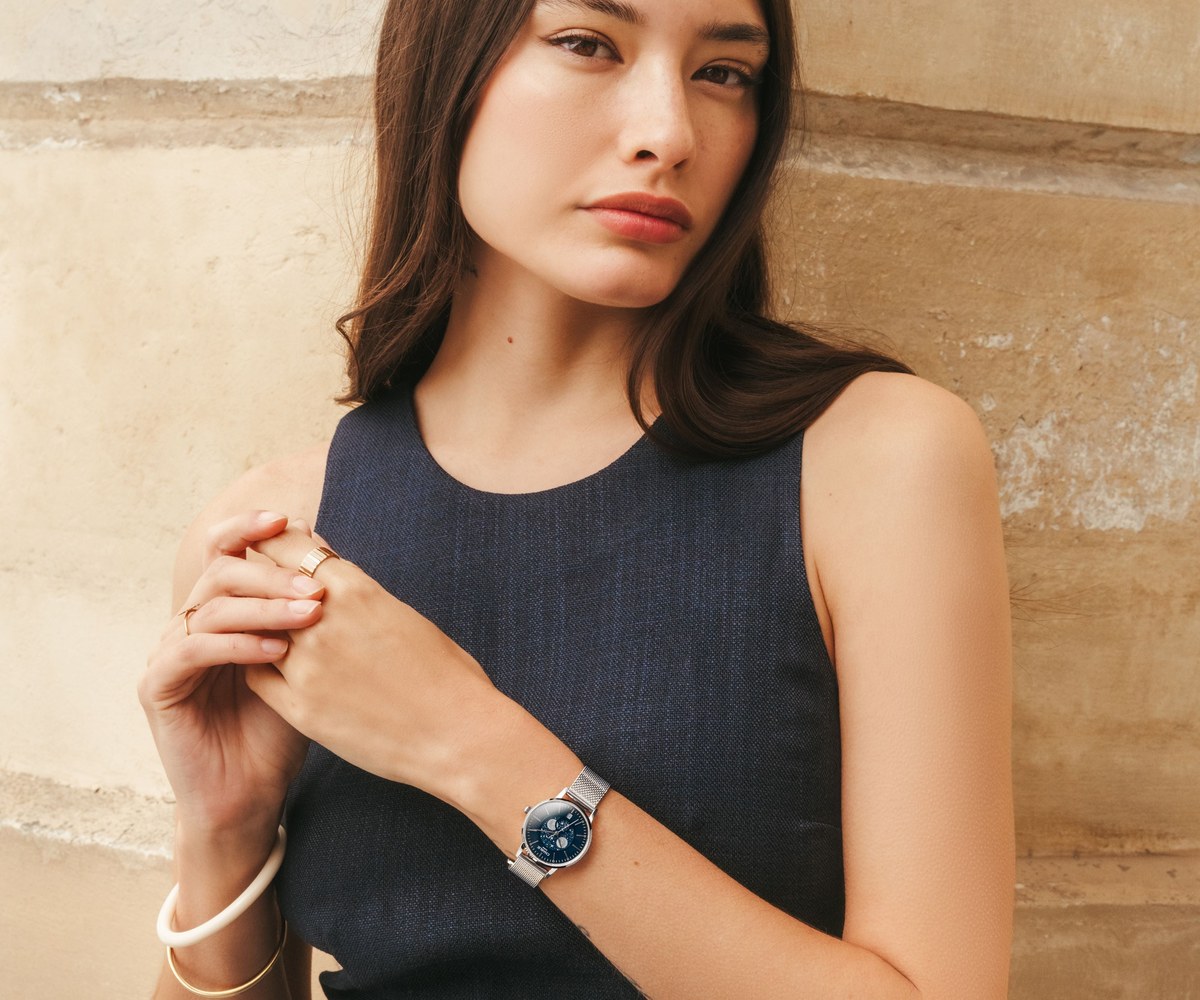
A product photo is taken from the front, under steady lighting, with a camera that doesn't move. A wrist, however, does move. It shifts from a window to a desk lamp, from a gray sky to a sun-drenched terrace—and it does this several hundred times a day.
This difference is by no means trivial, because a watch dial is not a painted surface. It is a treated surface: brushed, engraved, lacquered, oxidized, or cut from a seashell. Its color is not a pigment applied once and for all; it is the result of the interaction between a material and light. Change the light, and you change the color.
That's why two dials described as "blue" may be completely different, and why the first thing to look at on a product listing isn't the shade but the finish.
The five dial finishes, and how they interact with light
Five words appear repeatedly on the product sheets. They don't describe a color but rather a surface treatment, and it is this treatment that determines what you will see.
| Finish | How it is obtained | What You'll See on Your Wrist |
|---|---|---|
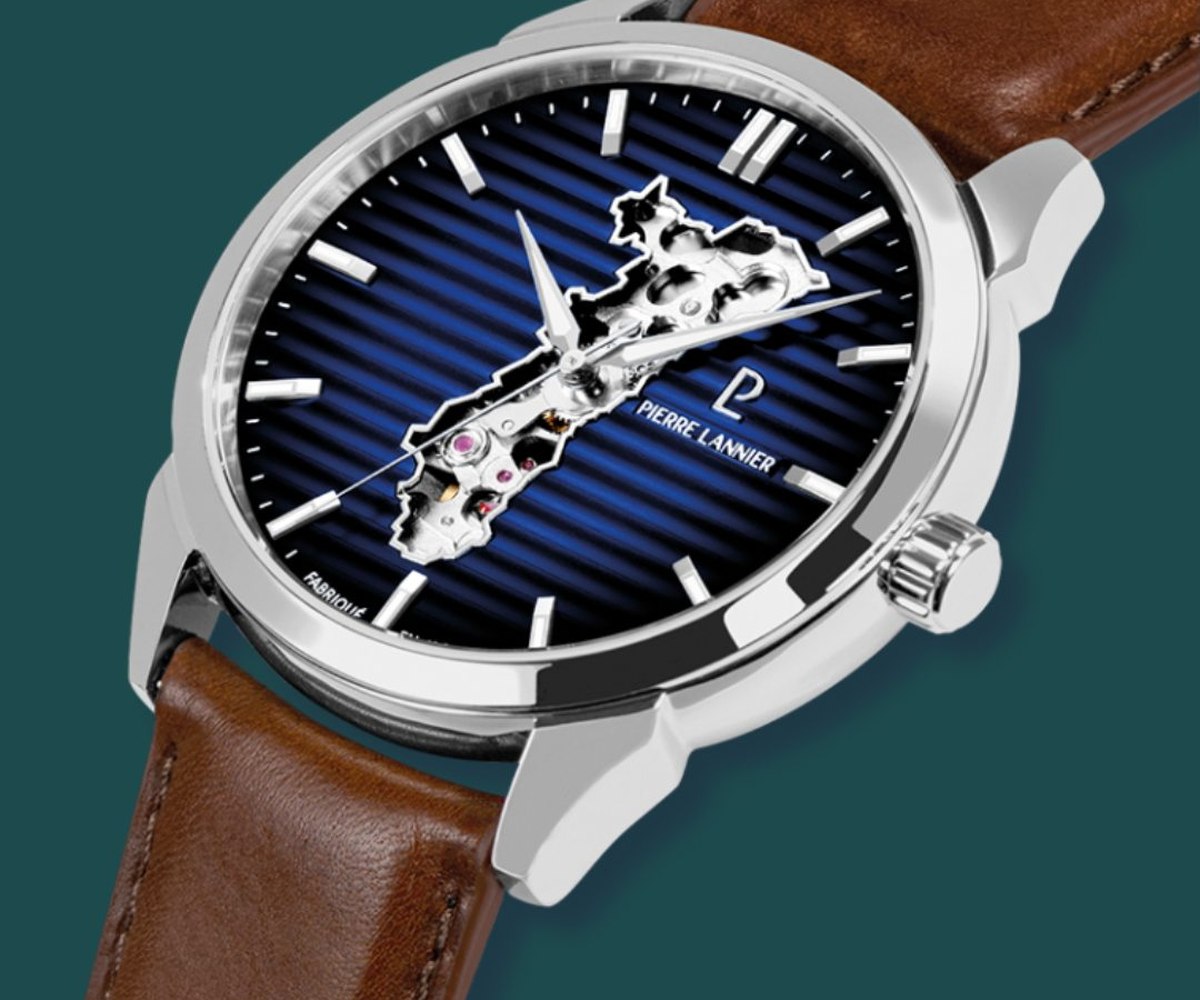
| Sunny | The dial is brushed in a circular motion from its center, creating thousands of very fine rays. | The shade shifts from light to almost black depending on the angle. A sun-kissed blue appears sky-blue near the window and night-blue in a hallway. It's the most vibrant finish—and the one that looks the most different in photos. |
| Mat | The surface is sandblasted or textured to reduce glare. | The color doesn't fade. What you see in the display case is what you'll get everywhere. No glare interferes with reading the time: that's the hallmark of instrument watches. |
| Lacquered | Several coats of lacquer are applied and then polished to a mirror finish. | A deep, perfectly uniform color, and a surface that reflects its surroundings. Stunning when viewed head-on, but indistinguishable under a ceiling light. |
| Guilloché | A geometric pattern is mechanically engraved into the metal, a technique that dates back to the18th century. | A sense of depth and dimension that color alone can never convey. The pattern catches the low-angled light and disappears when viewed head-on. |
| Mother-of-pearl | A slice of shell is cut, thinned, and placed on the dial. | Iridescent hues that shift from pink to green to blue. The light enters the material rather than bouncing off it. Each dial is unique, even between two pieces of the same model. |
The question to ask before buying
It’s not “what color is this dial,” but “how does it react when I move it.” A sunburst dial will give you several watches for the price of one and surprise you every day. A matte dial will give you exactly what you saw, day after day, without ever disappointing or surprising you. Both are good choices; they’re just not the same.
Blue, which made its debut in watchmaking through the hands
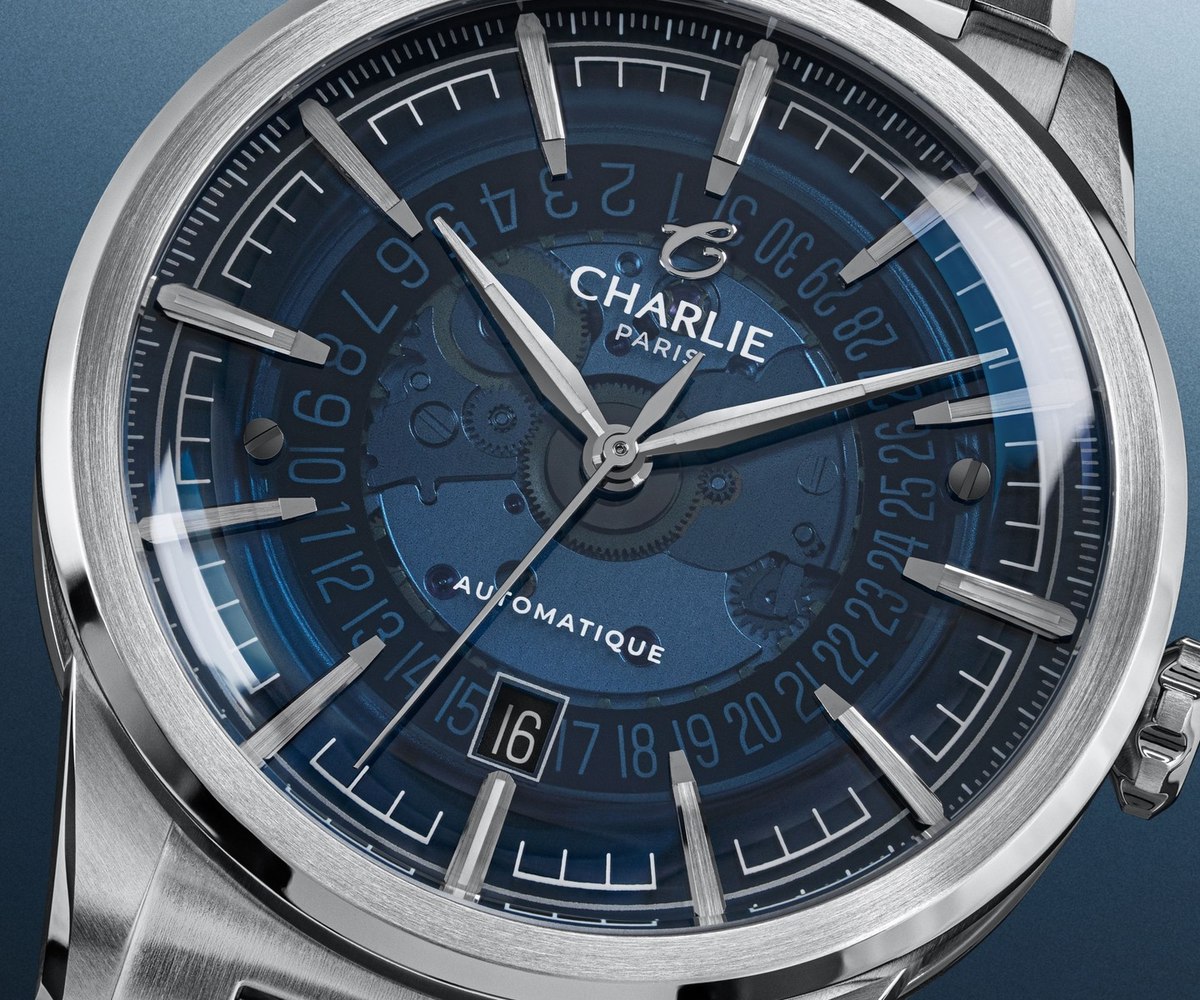
The blue didn't appear on the dials, but on the hands—and for a reason that had nothing to do with aesthetics. By heating a steel hand to around 250 degrees, the watchmaker causes surface oxidation that protects it from corrosion—and turns it a deep blue in the process. The blue found in watchmaking is therefore, at its origin, a side effect of a technical treatment.
It took a very long time for this color to make its way onto the dial itself. For most of the20th century, dials were black, white, or silver, because a watch was primarily used to tell time, and those three colors are the easiest to read. Blue was considered a novelty, reserved for only a few models.
Its rise in popularity dates back to the 2010s, and there’s a reason for it: blue is the only color that isn’t perceived as either masculine or feminine, or as either sporty or dressy. It looks just as good on leather as it does on steel, and it pairs equally well with a suit sleeve as it does with a T-shirt. Quite simply, it’s the color that closes the fewest doors—and that’s what makes it the safest gift choice when you don’t know the person’s tastes.
Casio
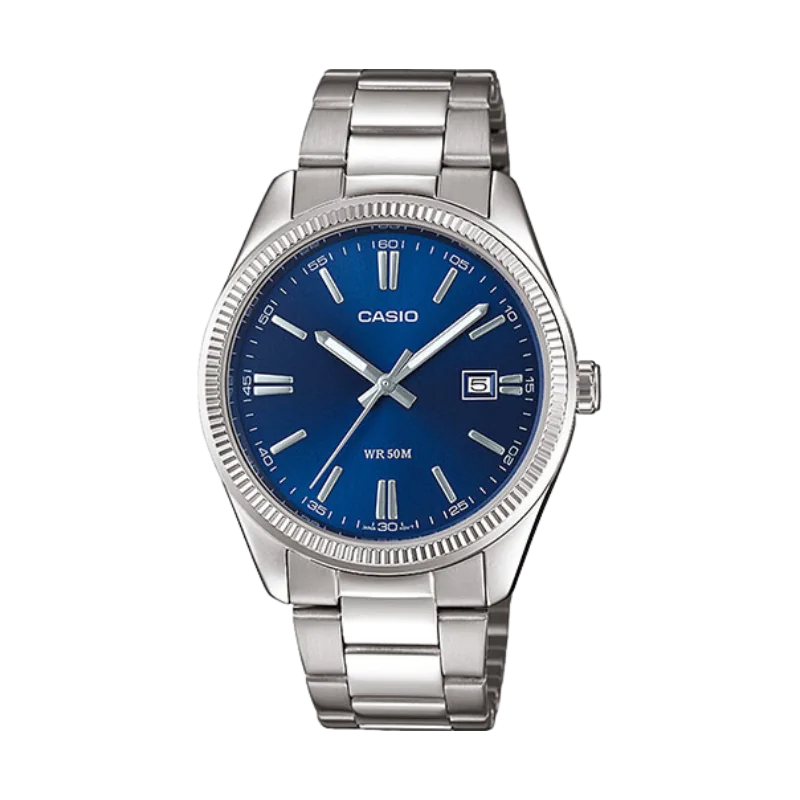
Casio Casio Collection Blue Brass Dial MTP
59,77 €
A deep blue on a steel case, for under sixty euros. The best place to see if blue suits you.
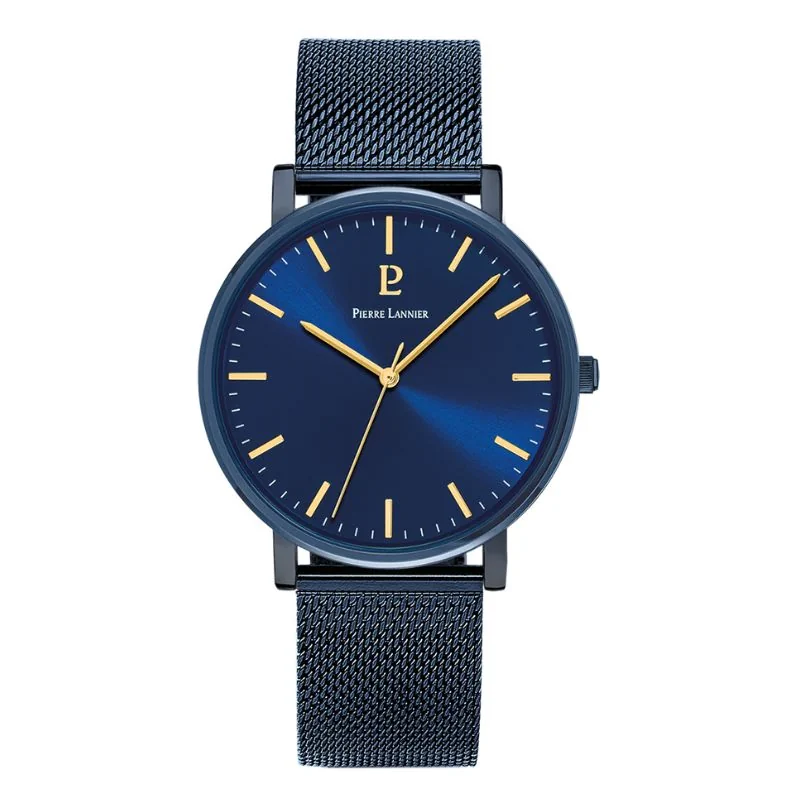
Pierre Lannier
Pierre Lannier Essential Blue Dial Milanese Bracelet 2
108,66 €
Blue dial and Milanese mesh bracelet. The textured steel reflects light differently than leather, and the blue appears lighter on it.
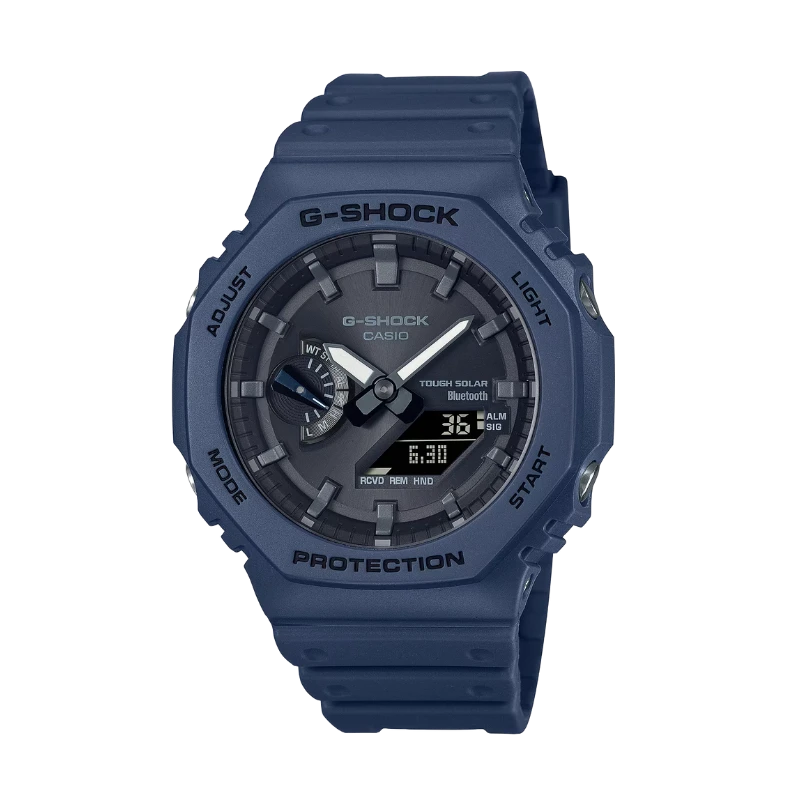
Casio
Casio G-Shock 2100 Series Analog-Digital Blue GA
148,70 €
A durable version of blue. On a resin case, the color is matte and does not reflect light.
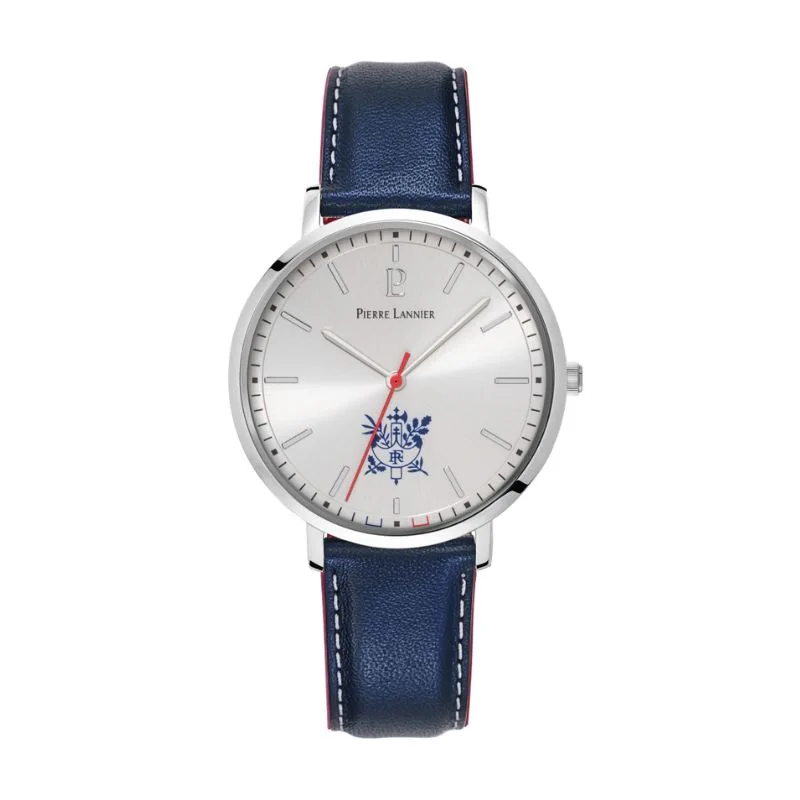
Pierre Lannier
Pierre Lannier Elysée Men's Blue Leather 454D126
128,62 €
Here, the blue is on the strap, not on the dial. It's a more understated way to wear it.
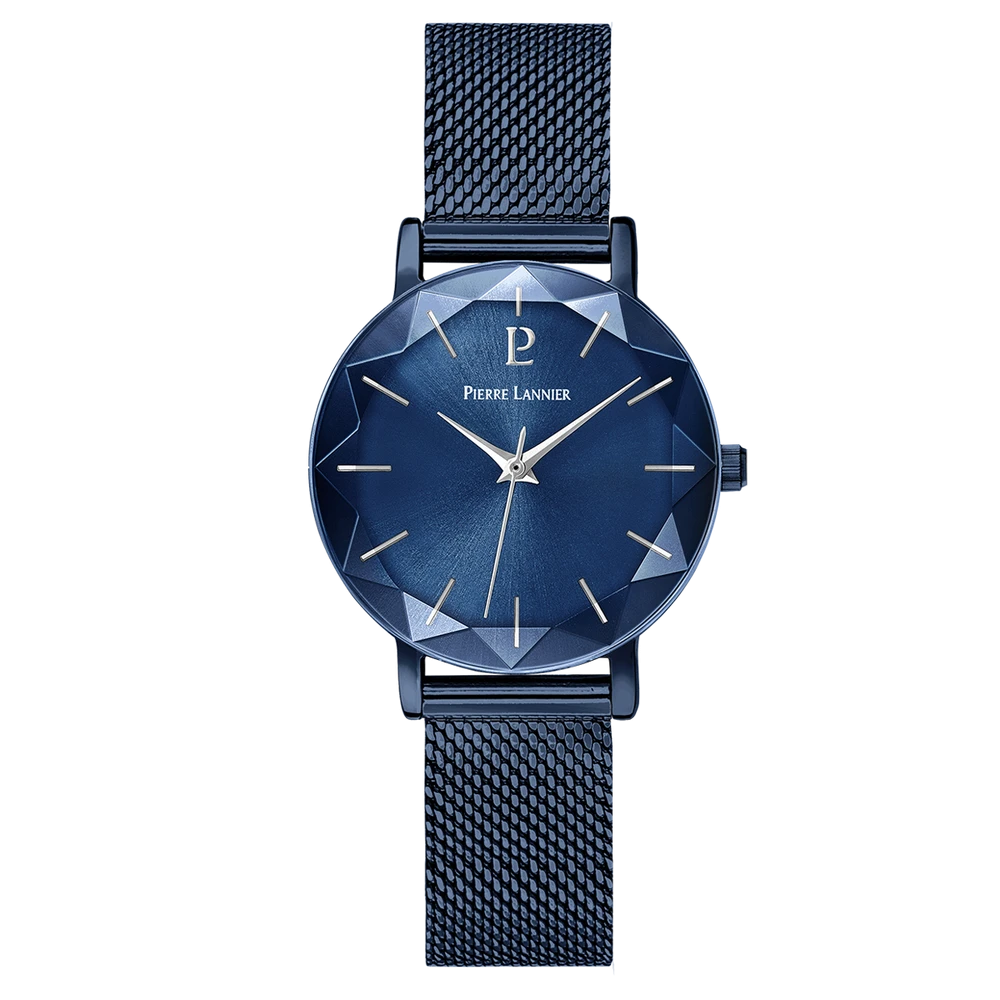
Pierre Lannier
Pierre Lannier Women's Multiples Watch with Blue Dial and Ac Strap
108,77 €
Blue dial and Milanese steel. Blue is the only color that is neither perceived as masculine nor feminine.

Navy blue, sun-kissed blue, lacquered blue
Three watches advertised as blue, three different experiences. The matte navy blue remains dark under all circumstances and behaves almost like black. The sunburst blue comes alive, lightening and darkening. The lacquered blue is the most intense of the three and the most unpredictable under artificial light. If you’re unsure based on the photos, this is the line on the product page you should look for.
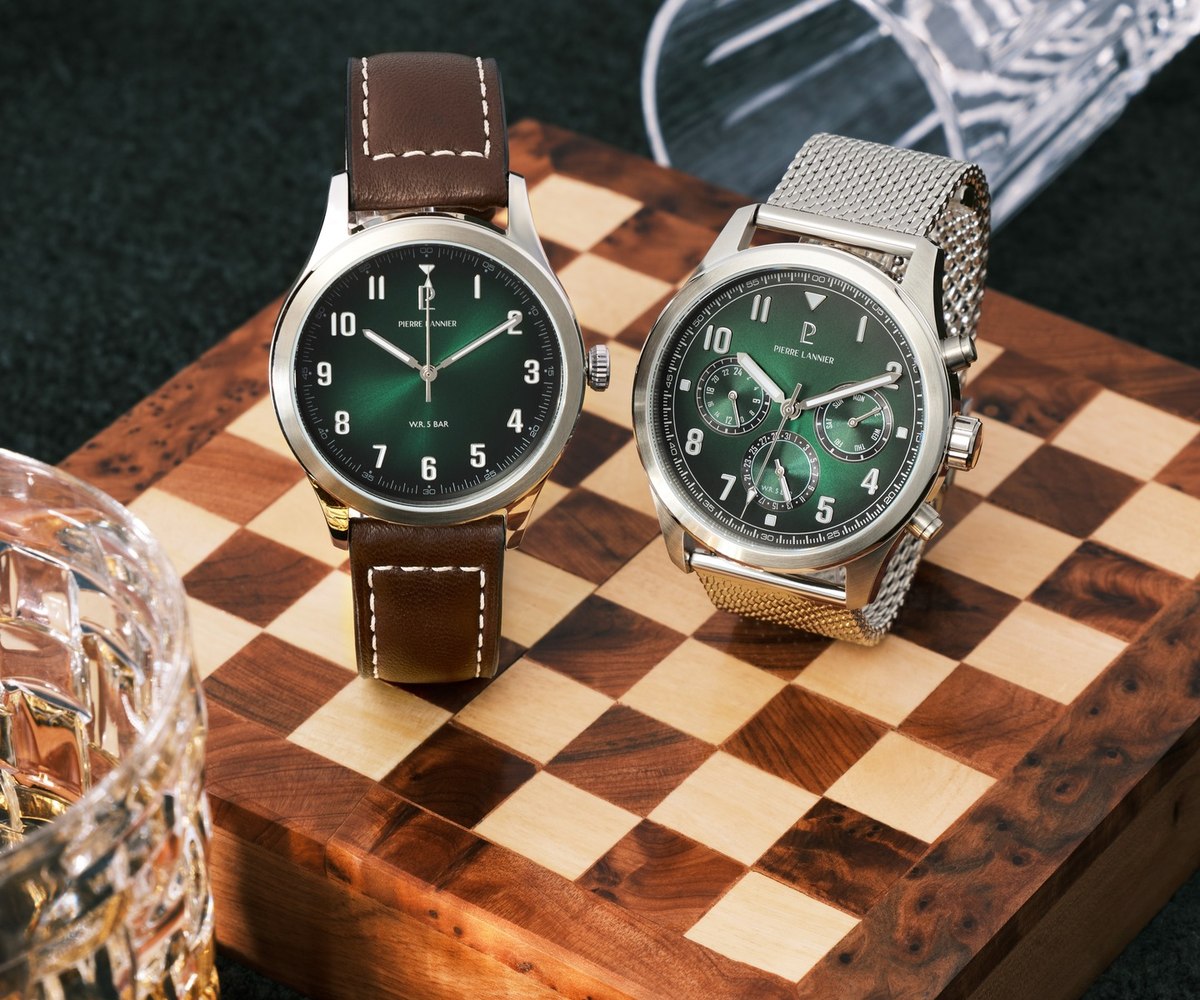
Green: The Color That Forgives Nothing
Green is the newest addition. Ten years ago, it was practically nonexistent in mainstream watchmaking; today, it's everywhere. It's also the hardest color to get right—and the easiest to get wrong.
The reason is a matter of color. A green that’s too light leans toward khaki and immediately gives off a somewhat dated military vibe. A green that’s too saturated looks like a toy. The range within which green works on a dial is narrow, which is why greens that stand the test of time are almost always dark greens or sun-kissed greens: the finish then compensates for the risk inherent in the shade by adding variations that the color alone lacks.
It’s ultimately a color that shows commitment. No one chooses a green dial by default, the way you go with black when you’re undecided. You choose it because you want it, so you have to be pretty sure you’ll still want it three years from now.
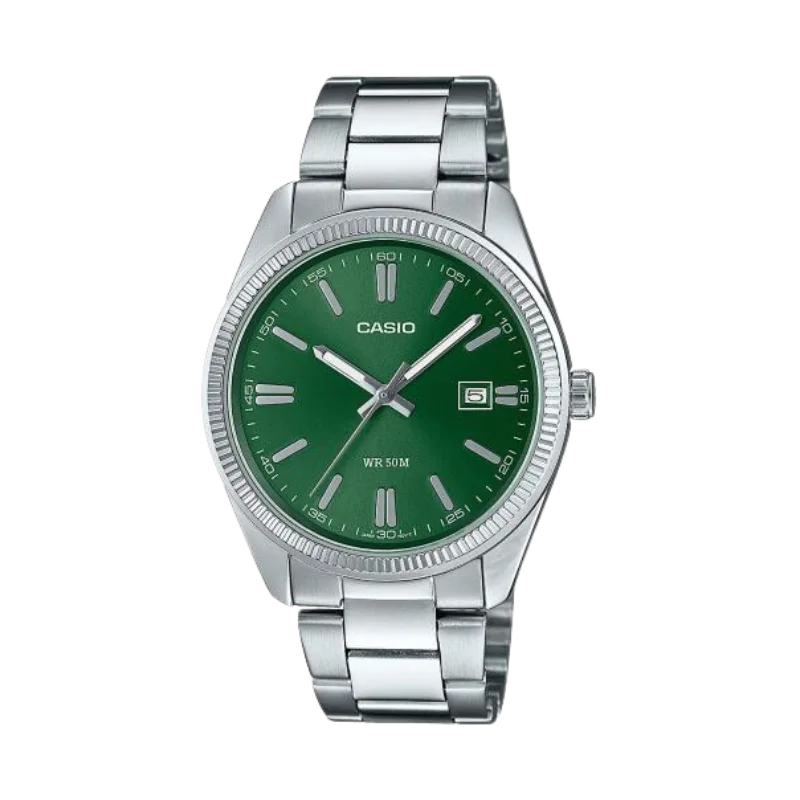
Casio
Casio Casio Collection Green Brass Dial MTP
59,77 €
The same watch as the blue one above, but in green. Comparing the two is the best way to see how the shade changes.
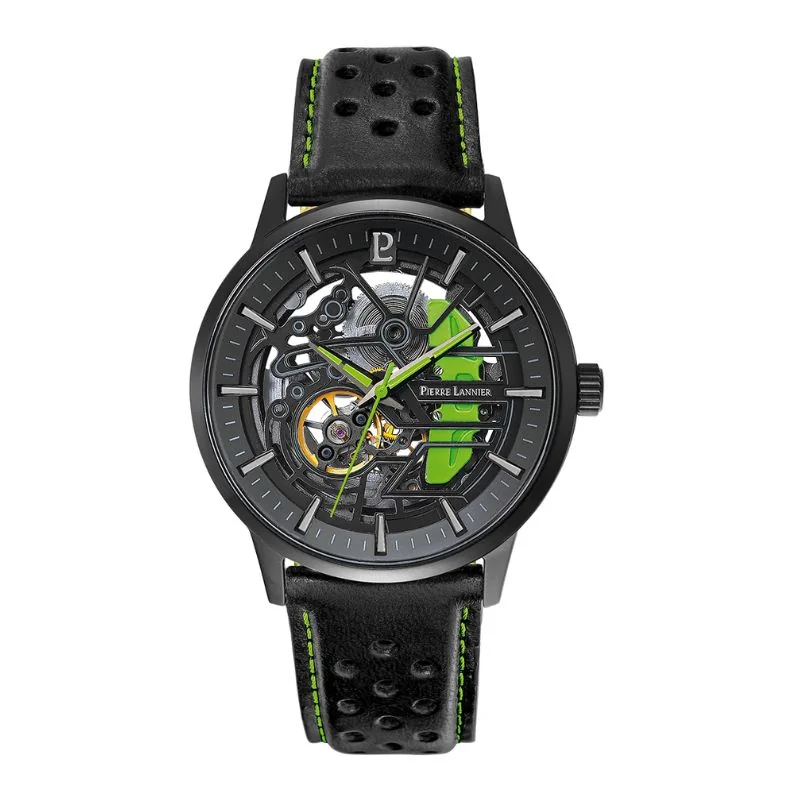
Pierre Lannier
Pierre Lannier Automatic Paddock Watch, Green Leather, 341A477
278,36 €
A dark green on leather: the version that ages best, because it isn't tied to seasonal trends.
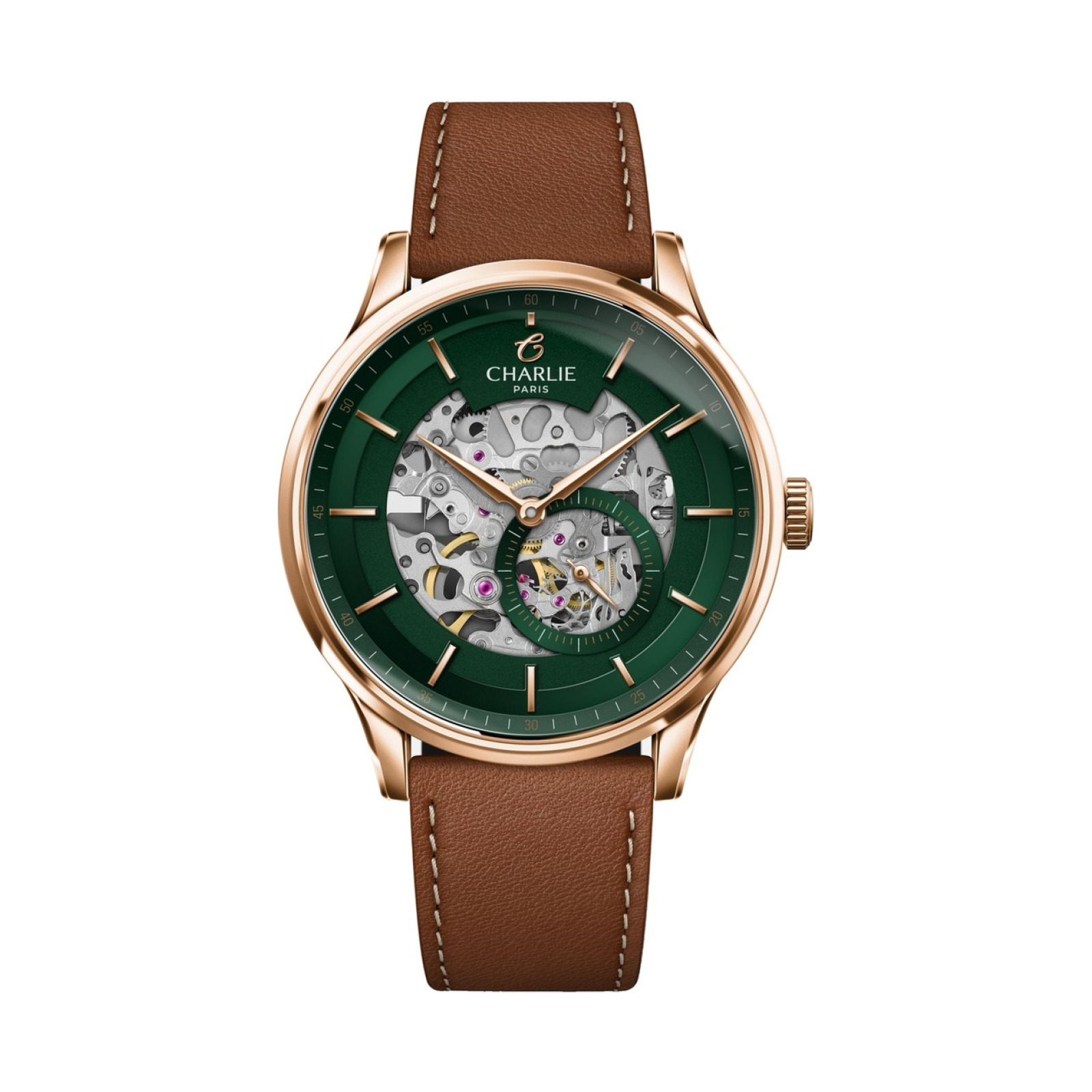
Charlie Paris
Charlie Paris INITIAL Skeleton Green & Rose Gold
444,14 €
Green and rose gold on a skeleton case. A bold green—perfect for those who want their watch to stand out.
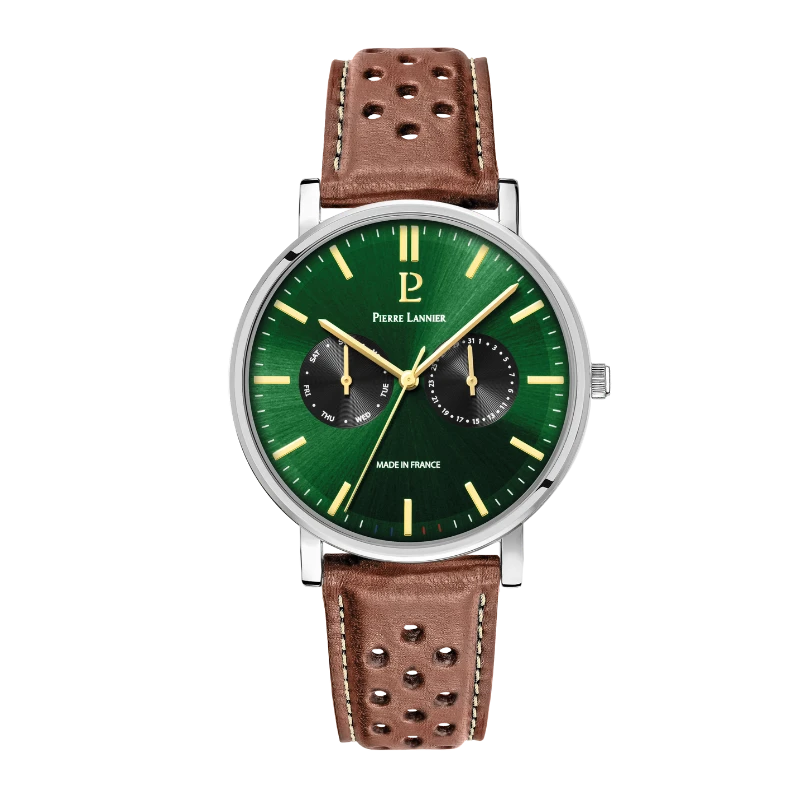
Pierre Lannier
Pierre Lannier Essential Multifunction Green Dial 20
138,60 €
A deep green with gauges. The abundance of markings on a colored dial calls for a dark green; otherwise, nothing will be legible.
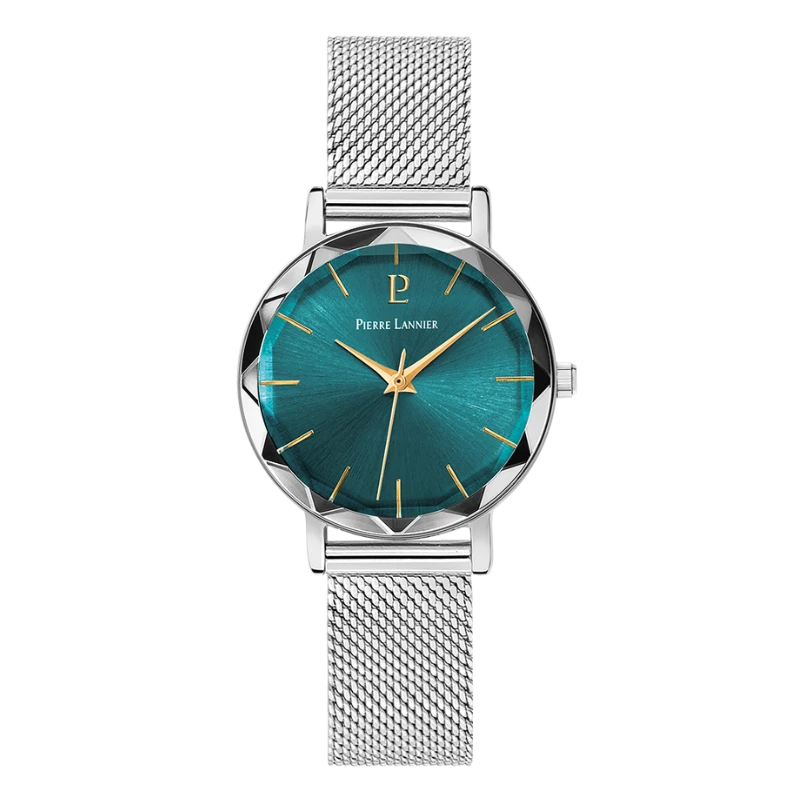
Pierre Lannier
Pierre Lannier Multiples Milanese Mesh, Silver-Plated and V
98,68 €
Green on a silver mesh. The cool contrast of the metal makes the dial appear denser than it actually is.

Brown: The Only Flaw That Has Become a Desired Quality
Brown holds a special place, for a reason that few people know. In the 1960s and 1970s, some manufacturers used dial paints containing chemically unstable pigments. After years of exposure to ultraviolet light and humidity, these black dials turned brown, chocolate-colored, or sometimes caramel-colored.
Back then, it was considered a defect. A watch with a discolored dial was considered damaged. Today, these dials—which collectors call “tropical”—are among the most sought-after on the vintage market, precisely because no two have faded in exactly the same way. A manufacturing defect has become a hallmark of uniqueness, and it has firmly established the color brown in the vocabulary of watchmaking.
Brown is, first and foremost, a color for bracelets
On a contemporary watch, brown is more commonly found on the strap than on the dial. And it’s the only part of the watch that changes with you: leather develops a patina, darkens at the creases, and becomes more supple where it rests on your wrist. After two years, it no longer looks like your neighbor’s. No steel bracelet does that.
That leaves the question of coordination. Brown leather needs to be paired with something else—a belt, a pair of shoes, or the frames of a pair of glasses. It’s the only color on this page that dictates the rest of the outfit rather than just the wrist—which makes it more demanding than black, and much warmer.
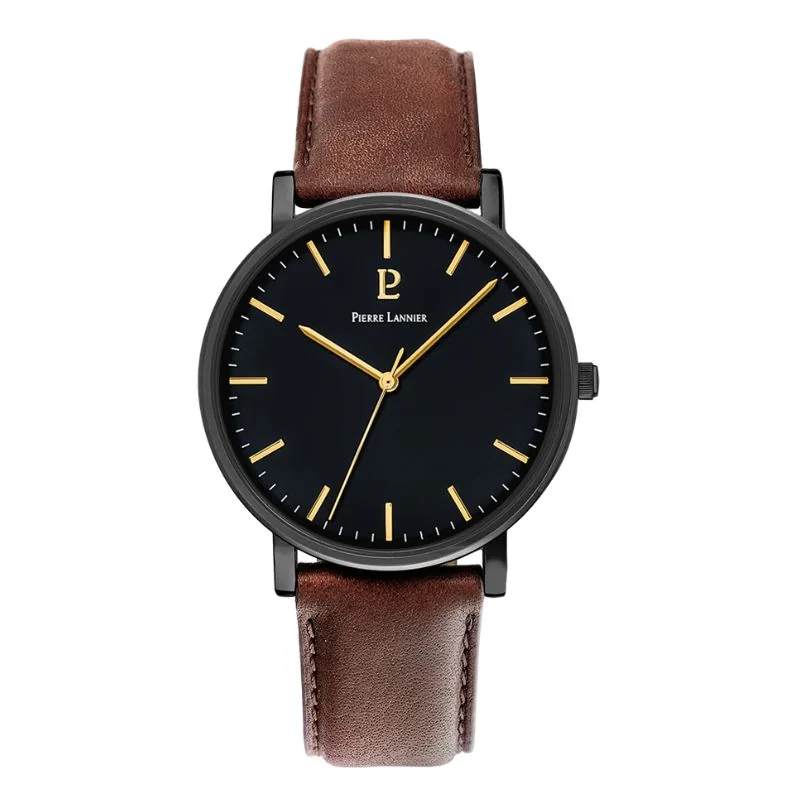
Pierre Lannier
Pierre Lannier Essential Black Dial, Brown Leather, 218F4
89,70 €
A black dial and brown leather strap: the most classic combination there is—and the one you notice the least on your wrist.
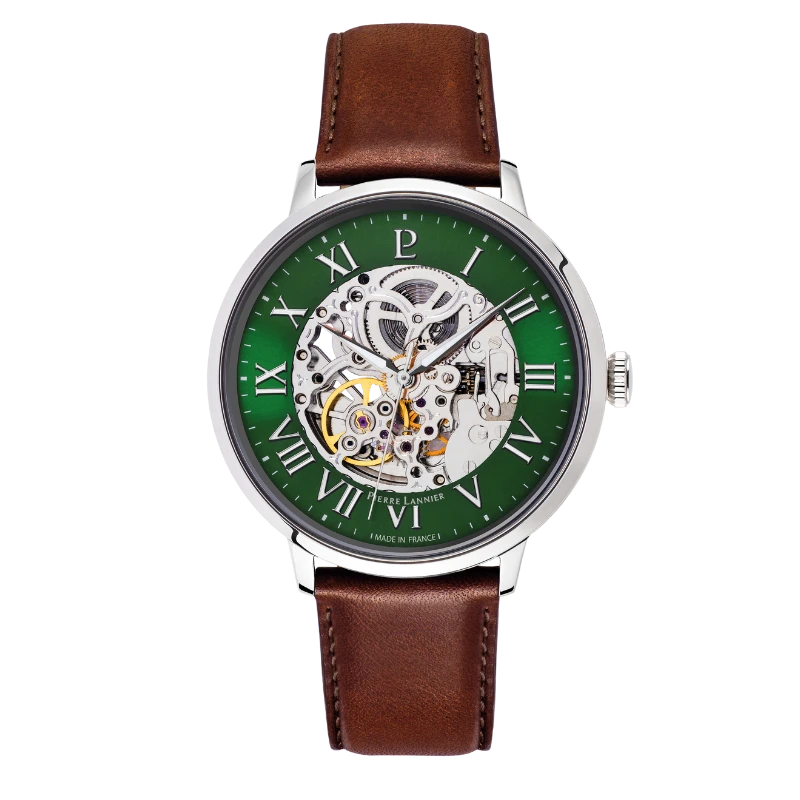
Pierre Lannier
Pierre Lannier Automatic Skeleton Brown Leather Strap Dial
218,47 €
A green dial on a brown leather strap, with an exposed movement. Two warm colors that complement each other rather than compete.
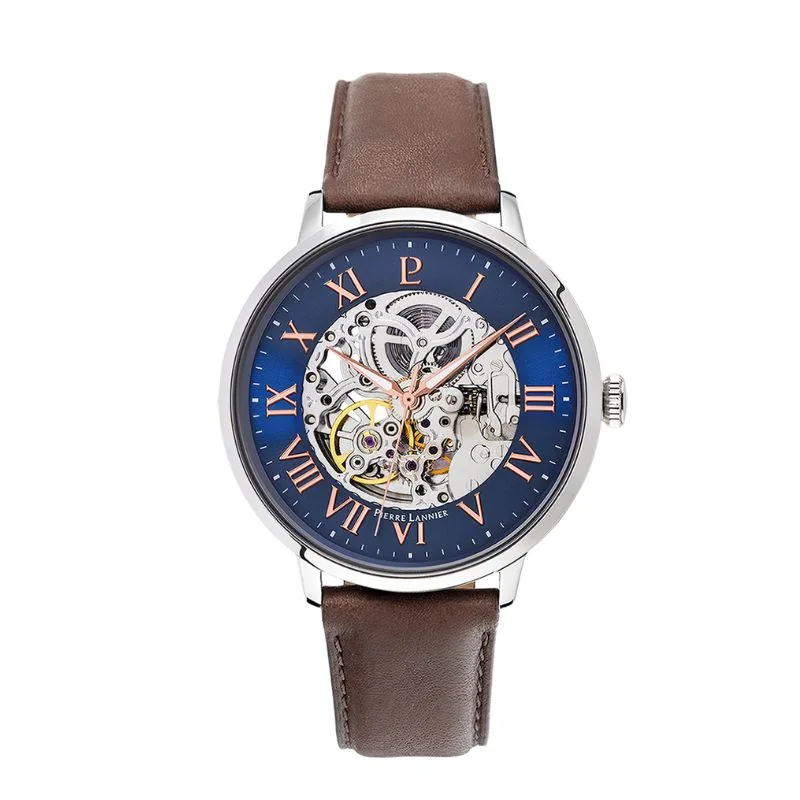
Pierre Lannier
Pierre Lannier Automatic Skeleton Brown Leather 322B164
198,51 €
The same automatic movement in a understated version. Here, the leather sets the tone, while the dial takes a back seat.
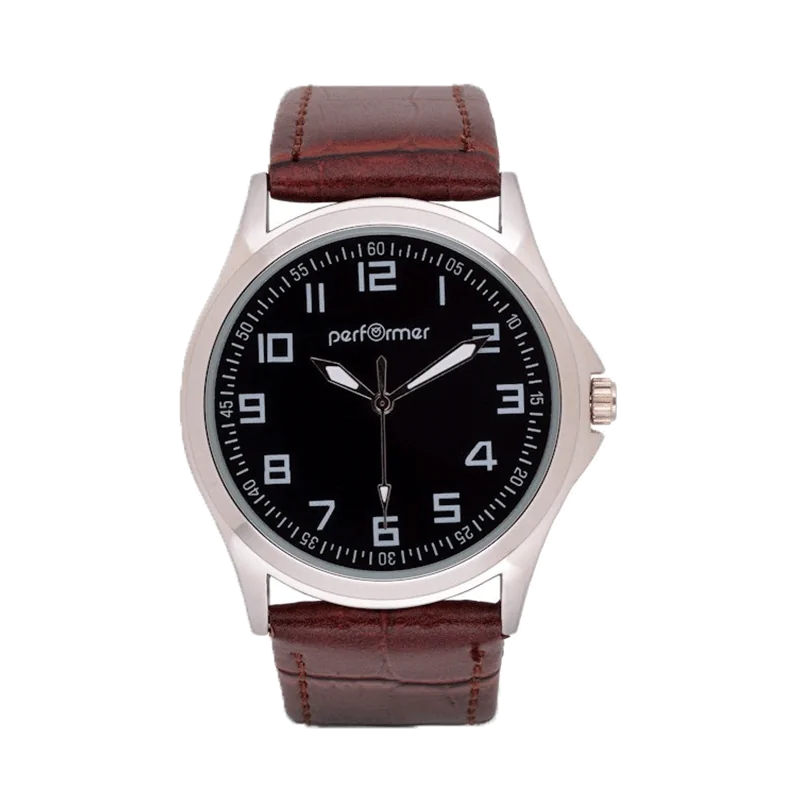
Performer
Classic Performer Men's Brown Leather with Crocodile-Style Pattern
24,85 €
Crocodile-print leather for less than twenty-five euros—a great way to try out brown without committing too much.
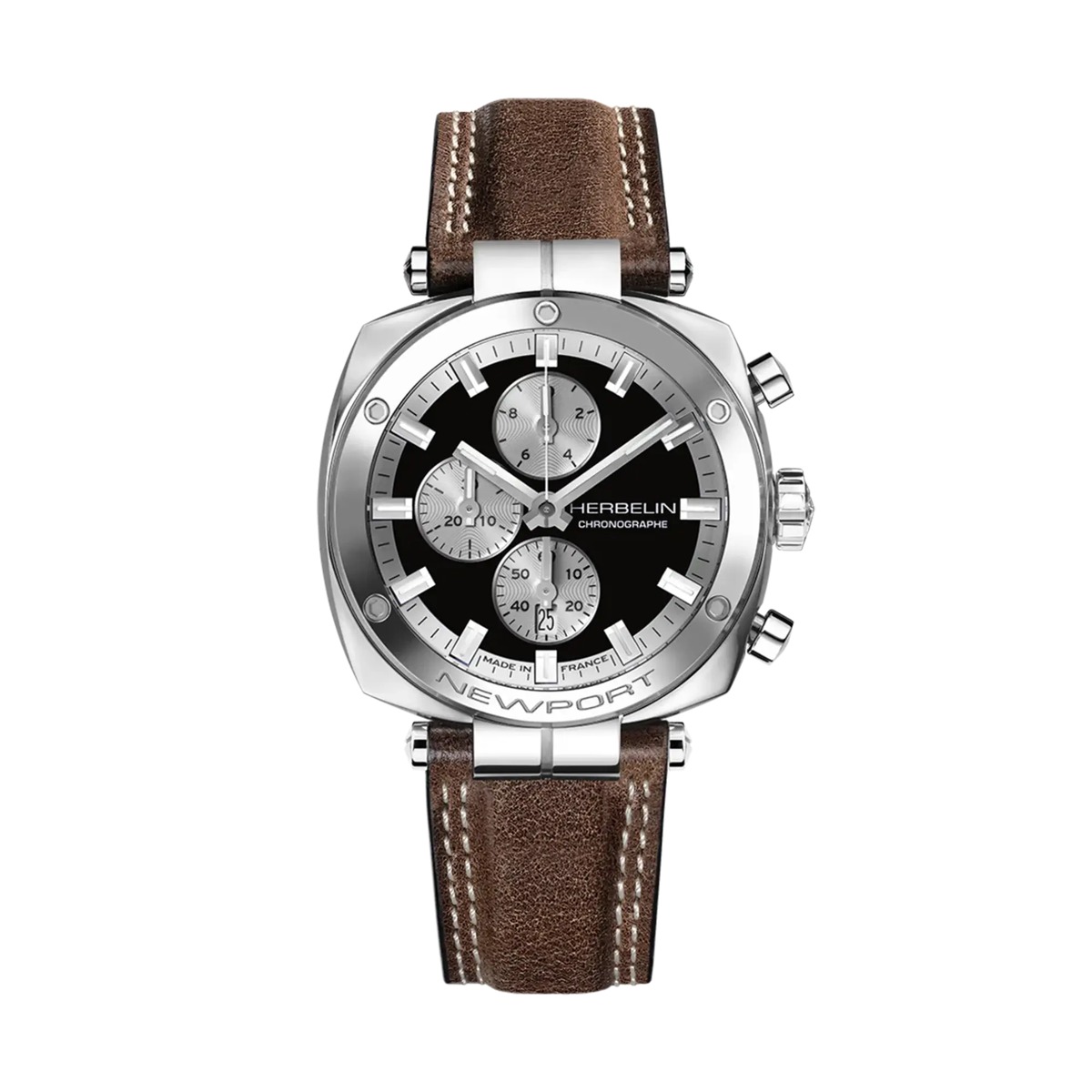
Michel Herbelin
Michel Herbelin Newport Heritage Chronograph 35664AP2
828,29 €
The Newport chronograph on fawn leather. Proof that brown isn't just for entry-level models.
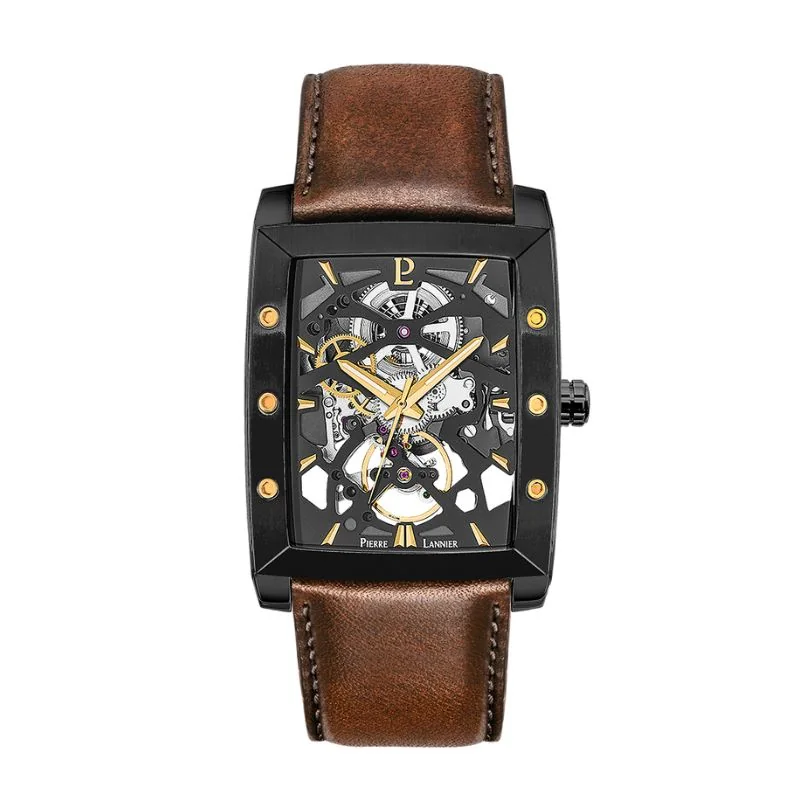
Pierre Lannier
Pierre Lannier Hector Automatic Skeleton Marro Leather
288,34 €
Automatic skeleton watch with brown leather strap: the brown warms up the metal of the movement, which would otherwise appear cold if made of steel alone.

Black: A Century of Dominance and a Good Reason
Black isn't a watch color—it's the default background for telling time. Light-colored hands or numerals against a dark background provide maximum contrast, which is why instrument watches—diving, aviation, military—have never seriously considered anything else.
This neutrality has both a downside and an advantage. The downside: a black dial goes unnoticed; it reveals nothing about the person wearing it. The advantage: it never goes out of style, because it has never been in style. A black watch bought in 1995 doesn’t look dated today—something that can’t be said of any other color from that same year.
There is one subtle difference, though, and it makes a difference in everyday life: a matte black finish is easy to read in any lighting condition, whereas a glossy black finish—which looks stunning from the front—turns into a mirror as soon as a light is behind you.
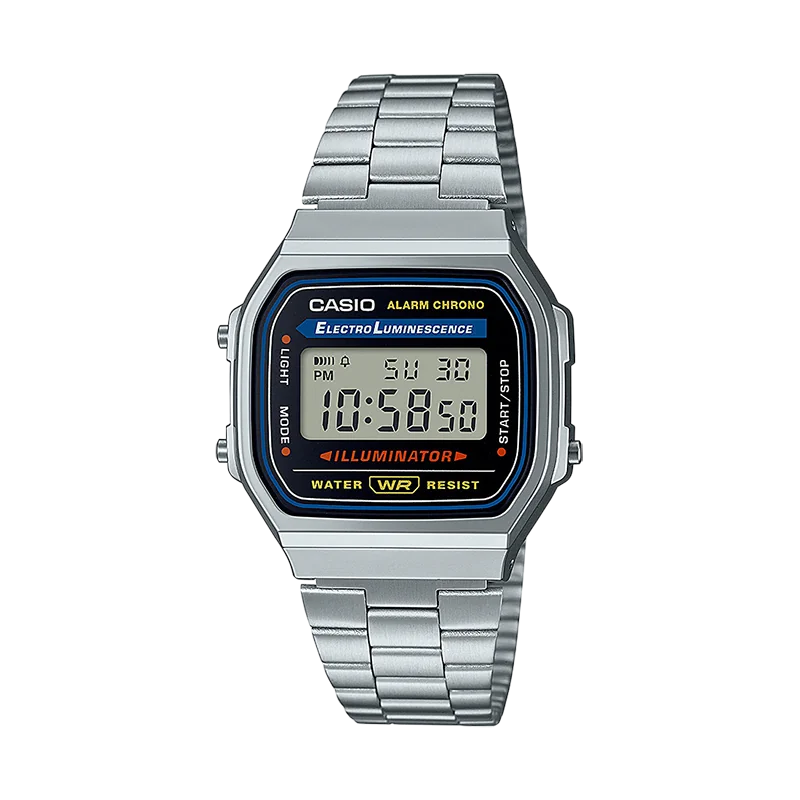
Casio
Casio Vintage Iconic Unisex Silver and Black Backlit
37,91 €
A black digital dial behind a crystal: maximum readability—something no color can beat.
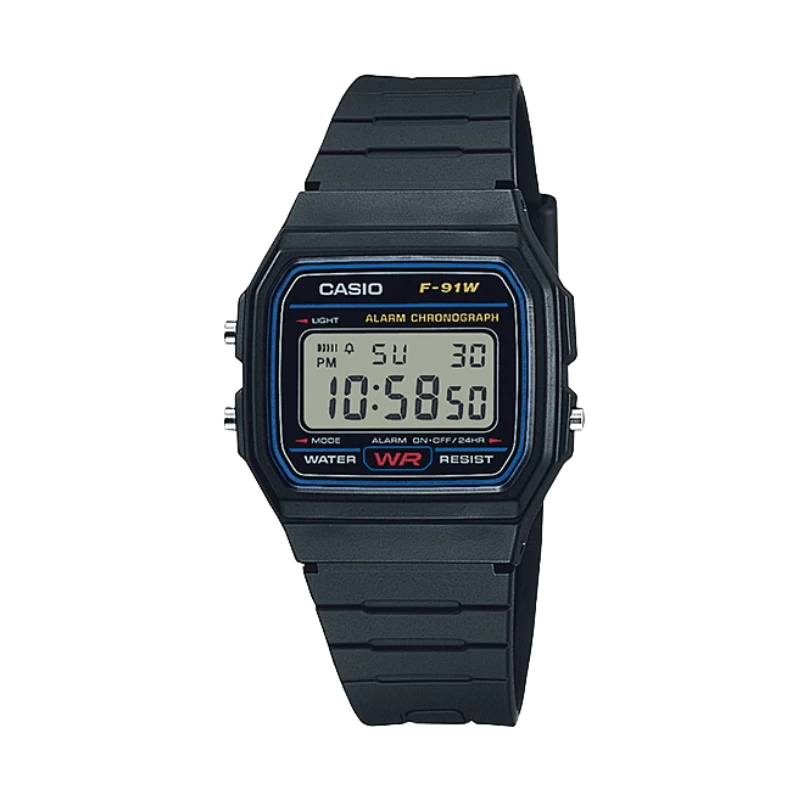
Casio
Casio Timeless Collection Black Resin Strap F-91
19,84 €
The F-91W. Black resin, black-on-gray display, design unchanged since 1989. It doesn't follow any trends because it never has.
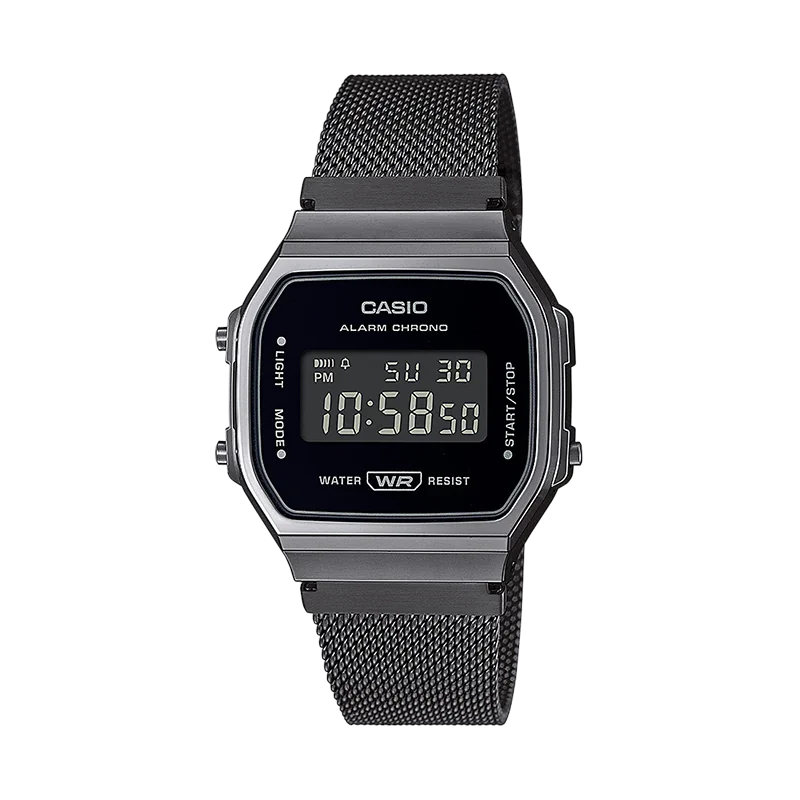
Casio
Casio Vintage Iconic Men's Black Illuminator
69,75 €
The same vintage silhouette, all in black. The all-black design makes the watch disappear rather than stand out.
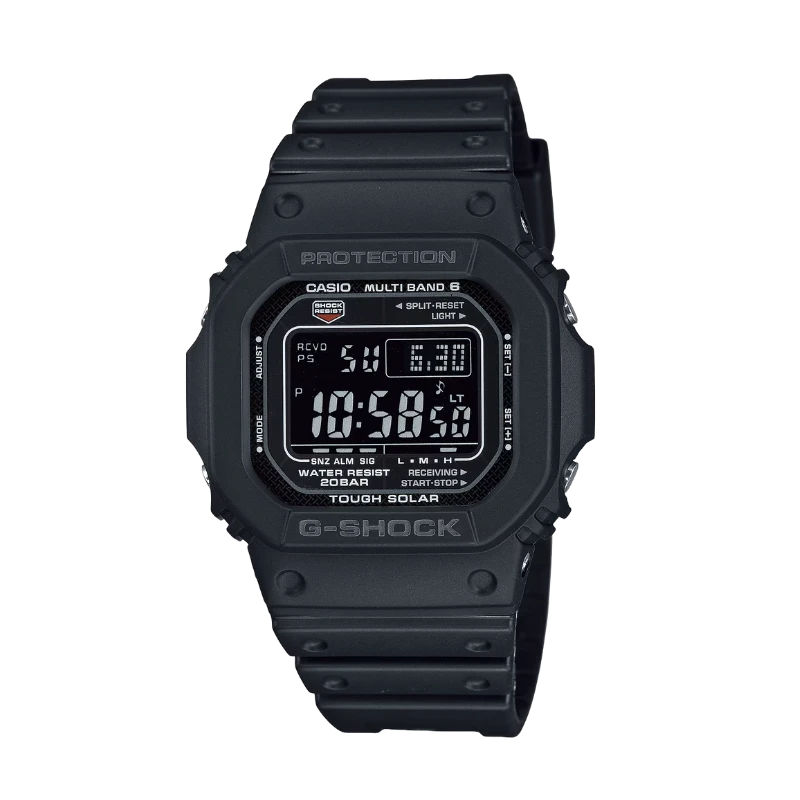
Casio
Casio G-Shock 5600 Series Digital Watch, Black GW
128,76 €
A technical, bright, and radio-controlled black. Here, black is not an aesthetic choice; it is a neutral background for the information.

Silver and gold: two ways to avoid choosing a color
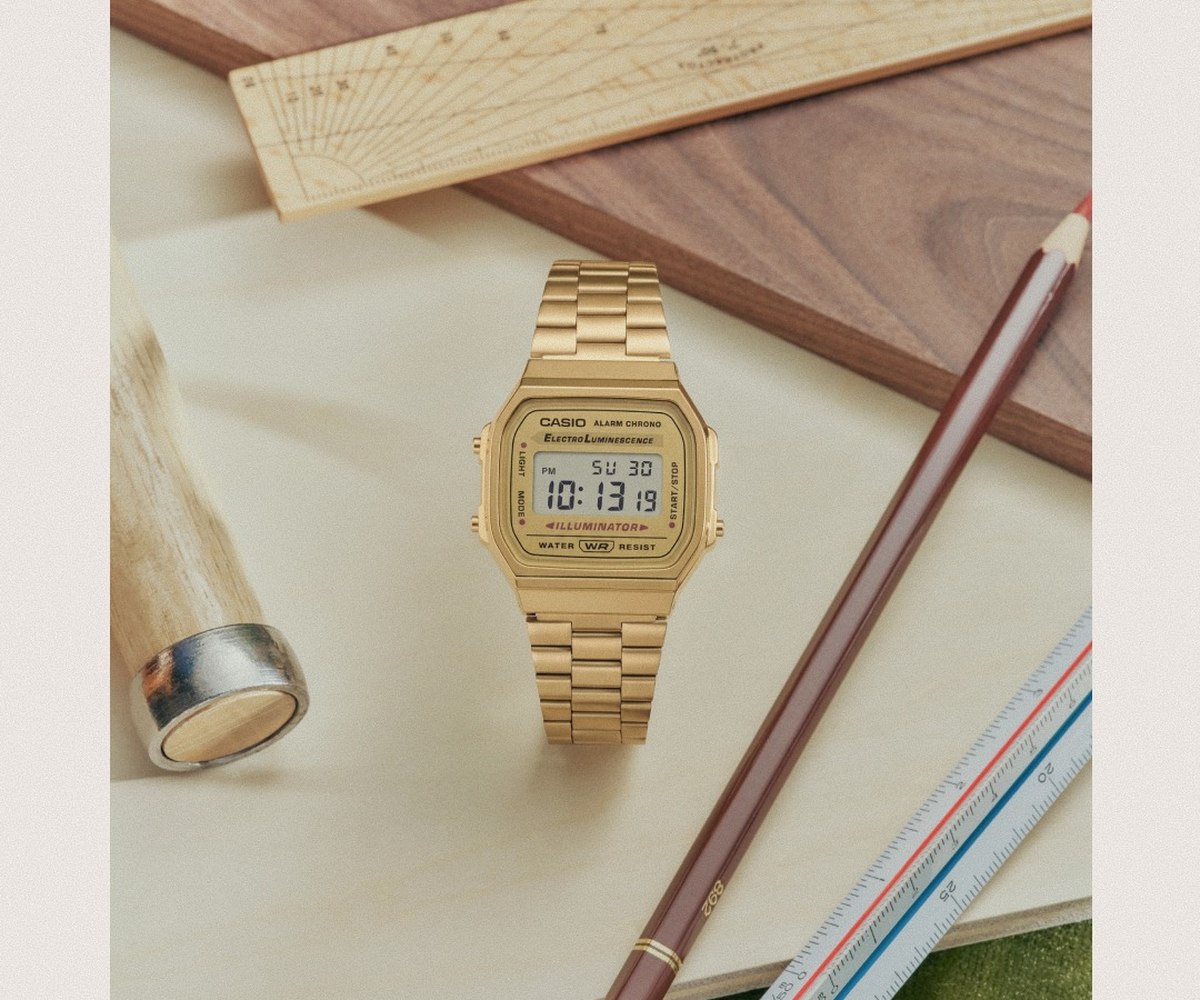
A silver or gold dial doesn't display a shade; it displays a metal. It's in a category of its own, because what matters here isn't the color of the dial but how well it complements the case, the strap, and the wearer's skin tone.
Yellow gold is warm and bold; it commands attention.Rose gold, which is softer, flatters fair complexions and wins over people who thought they couldn’t pull off gold.White gold combines the understated elegance of steel with the warmth of gold, which explains its enduring popularity. Silver, finally, is the most neutral of all: it neither warms nor dulls; it simply frames.
Two-tone isn't a half-measure
Combining steel and gold in a single case is a task that leaves no room for approximation. It only works if the dial incorporates both metals somewhere—in the hour markers, the hands, or a sub-dial. Otherwise, the two materials end up staring at each other like two stone figures instead of complementing one another.
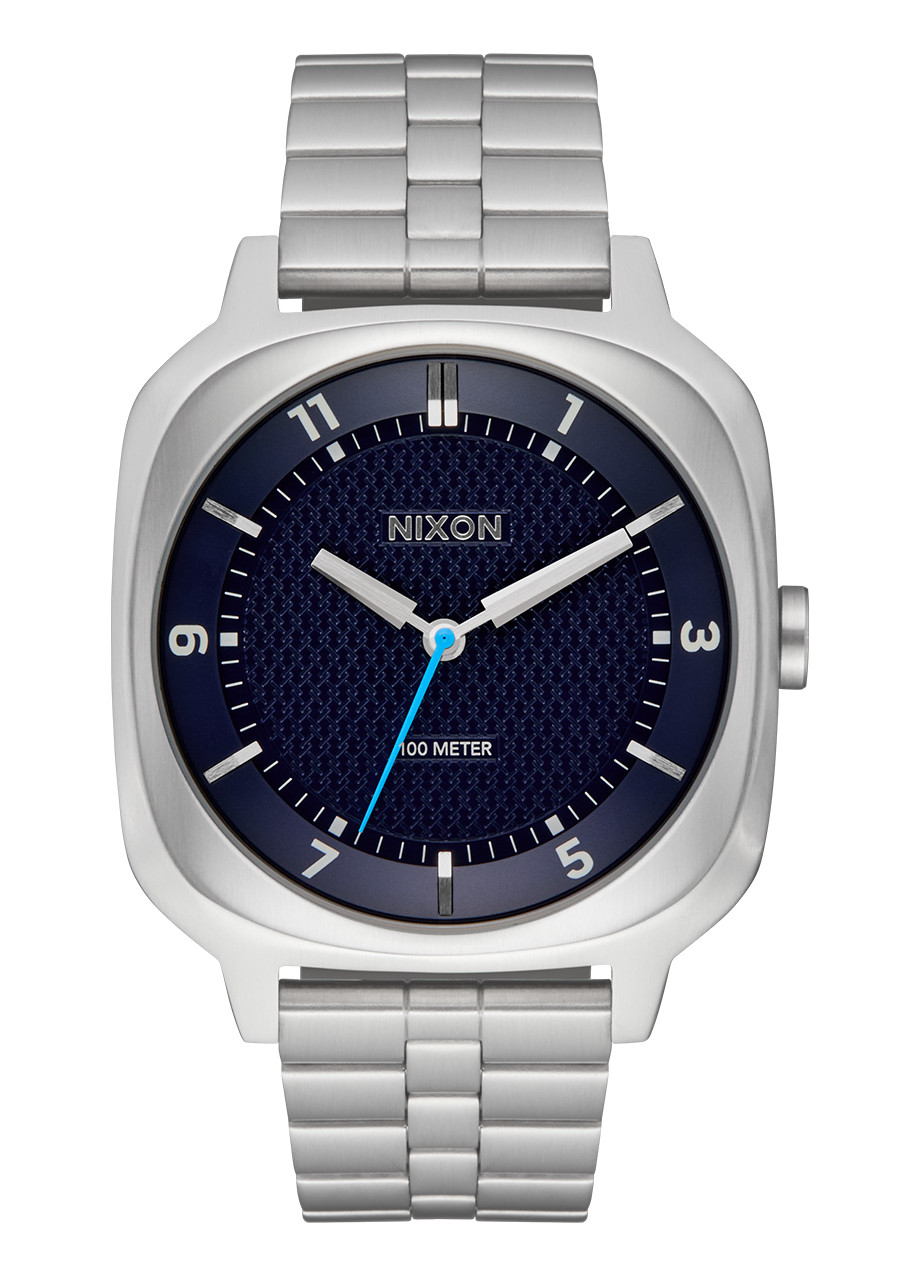
Nixon
Nixon Fremont 40 Silver / Midnight
189,62 €
Light-colored case, dark dial: the steel frames the color rather than carrying it. It's the safest way to wear metal.
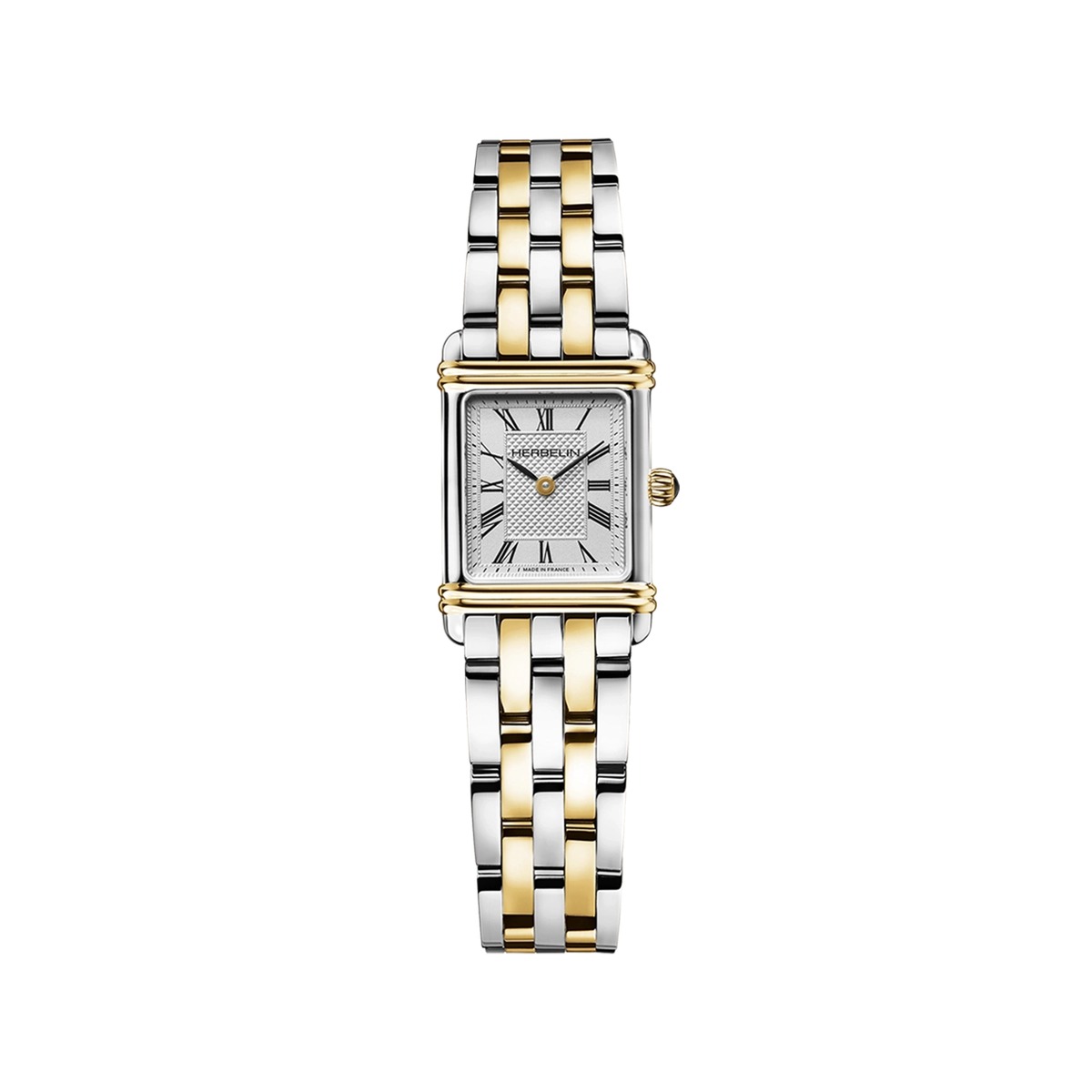
Michel Herbelin
Michel Herbelin Art Deco Two-Tone Quartz 17478BT08 - A
548,82 €
Steel and yellow gold on the same case. A two-tone design only works if the two metals are also complemented by the dial.
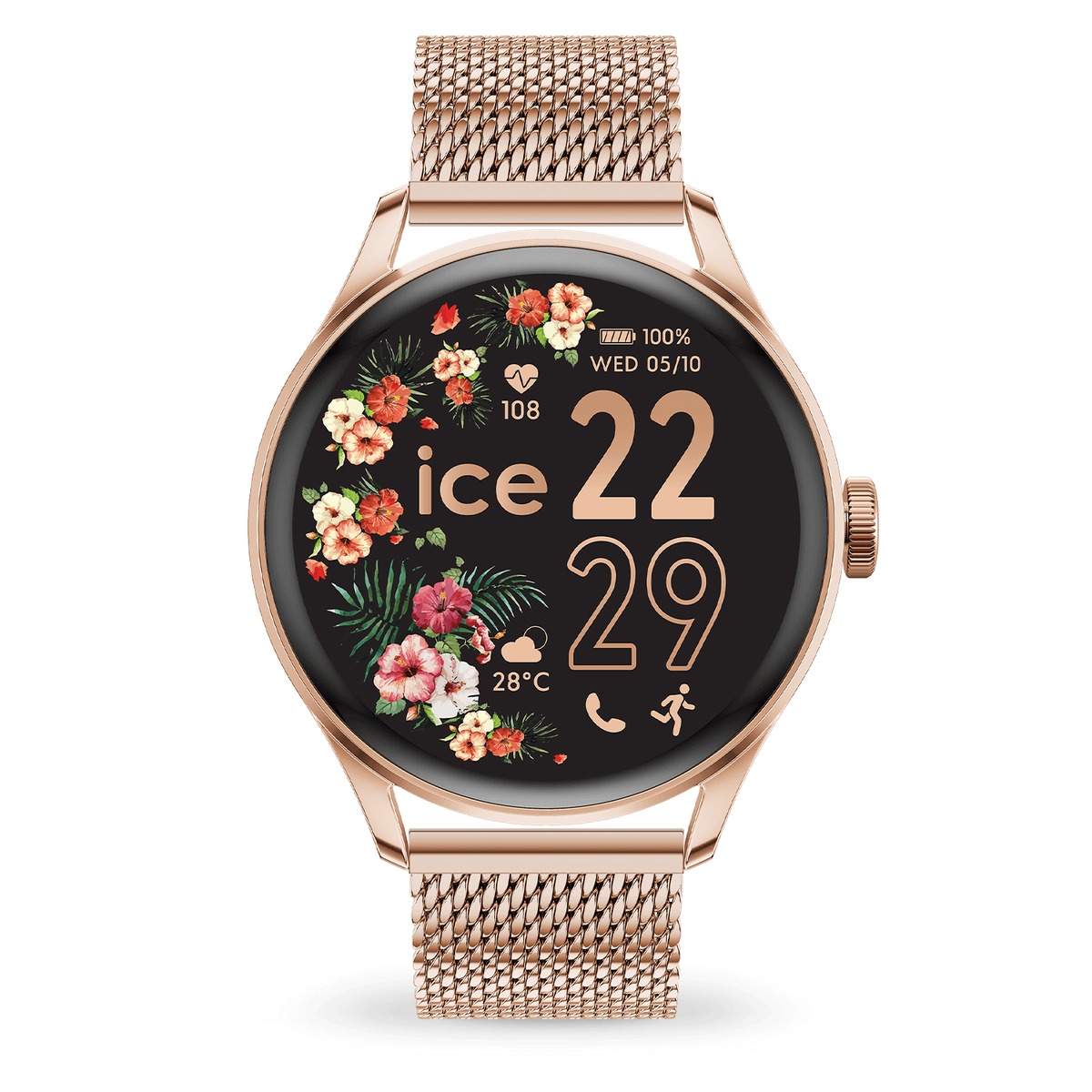
Ice-Watch
ICE smart 2.0 Round 1.20 Rose Gold Milanese
98,79 €
A rose-gold Milanese mesh bracelet. Rose gold has a warmer tone than yellow gold and complements fair skin tones better.
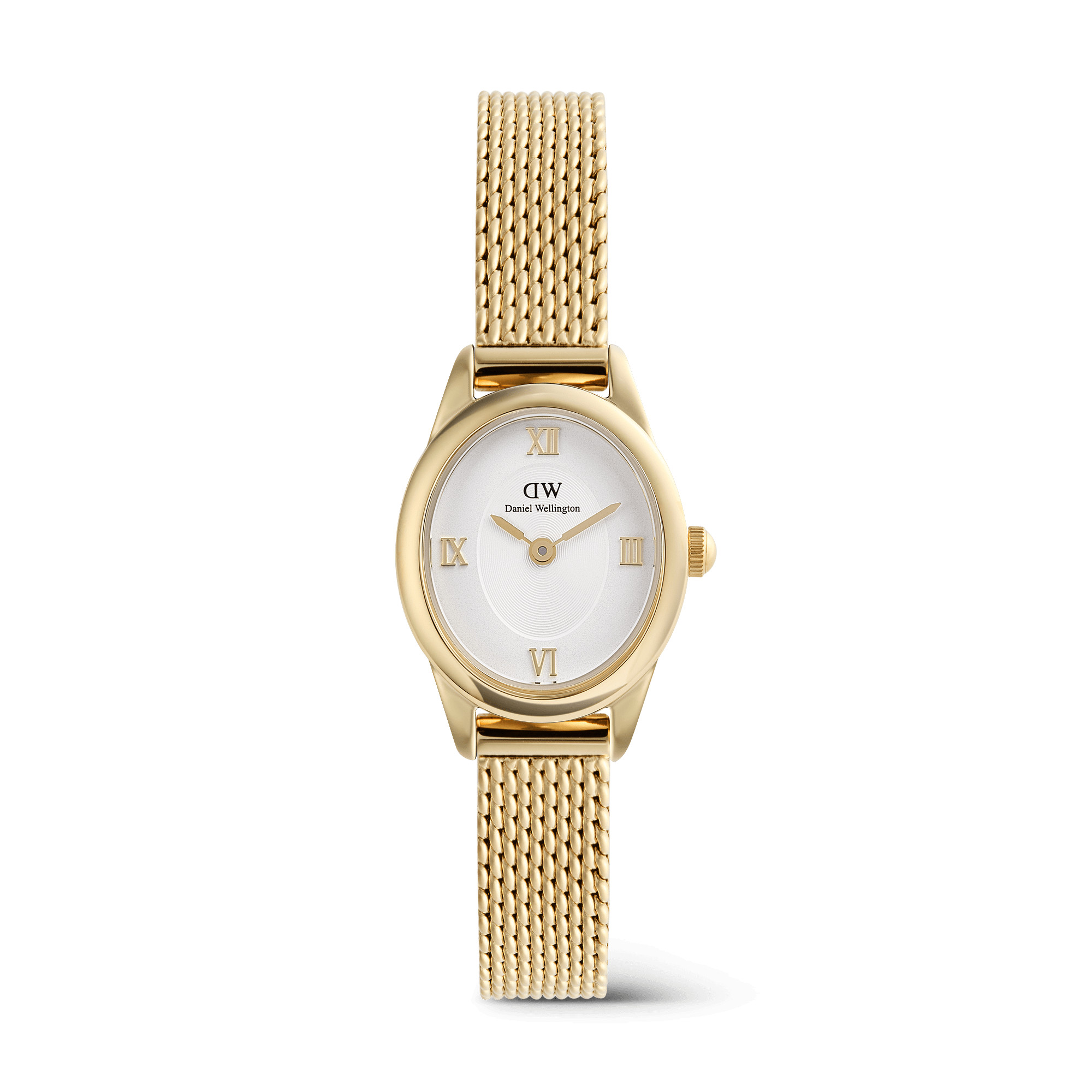
Daniel Wellington
Daniel Wellington Ophelia Mini Mesh White Gold 22mm
144,71 €
Fine-mesh white gold. White gold combines the understated elegance of steel with the warmth of gold, which explains its durability.
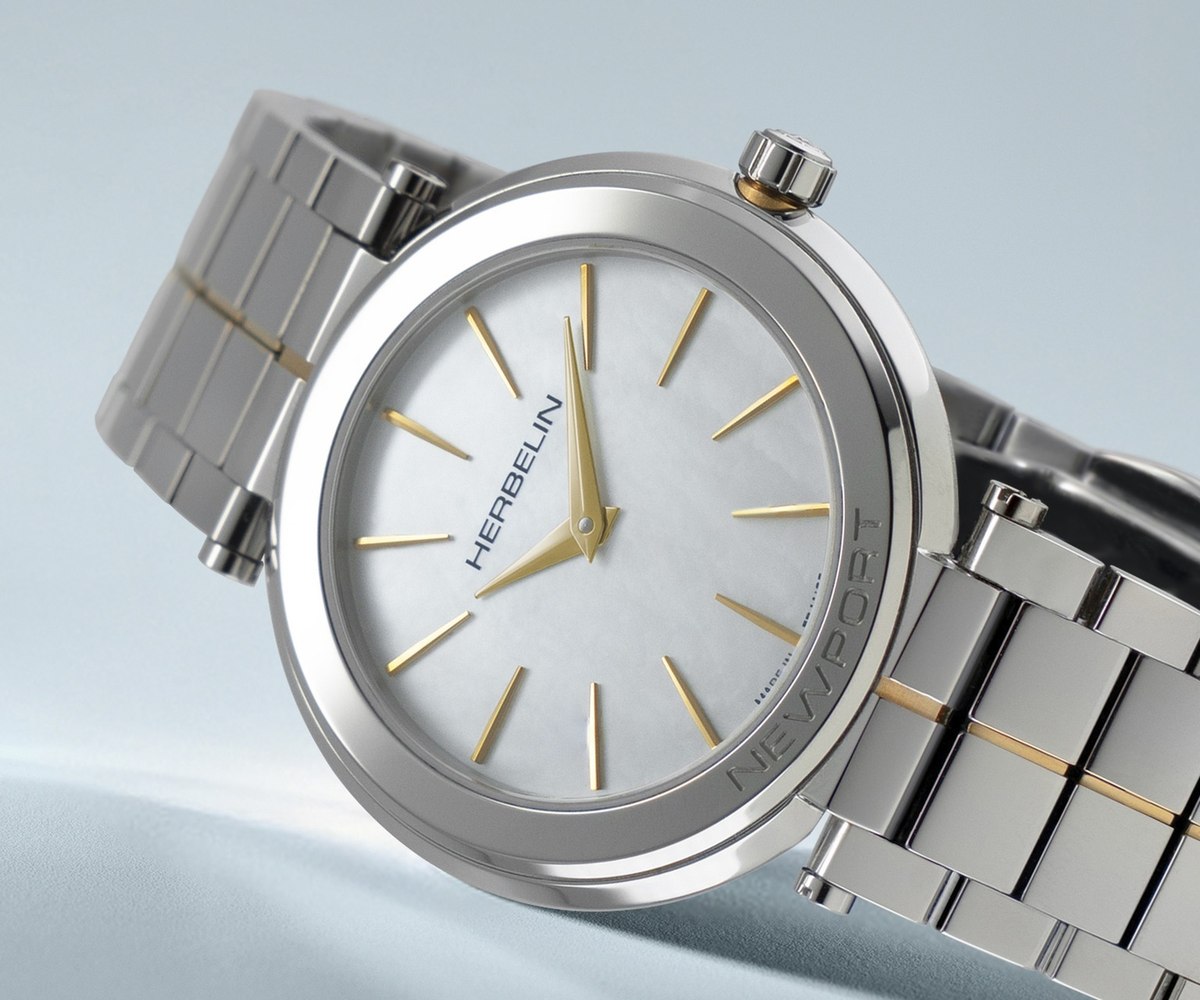
Mother-of-pearl isn't a color; it's a material.
Mother-of-pearl deserves its own section because it defies all of the above. It is neither a pigment nor a treatment: it is a slice of shell, cut to size, thinned to a few tenths of a millimeter, and applied to the dial.
Its unique quality lies in its optical properties. Mother-of-pearl is made up of microscopic layers stacked on top of one another; light does not bounce off it, but rather penetrates it, is reflected multiple times, and emerges in a spectrum of colors. This is what creates the iridescent hues that shift from pink to green to blue depending on the angle—a effect that no paint can truly replicate.
Its second distinctive feature is that it makes each watch unique. No two watches of the same model have the same dial, because they do not come from the same shell. This is one of the rare opportunities in industrial watchmaking to own an object that has no exact twin.
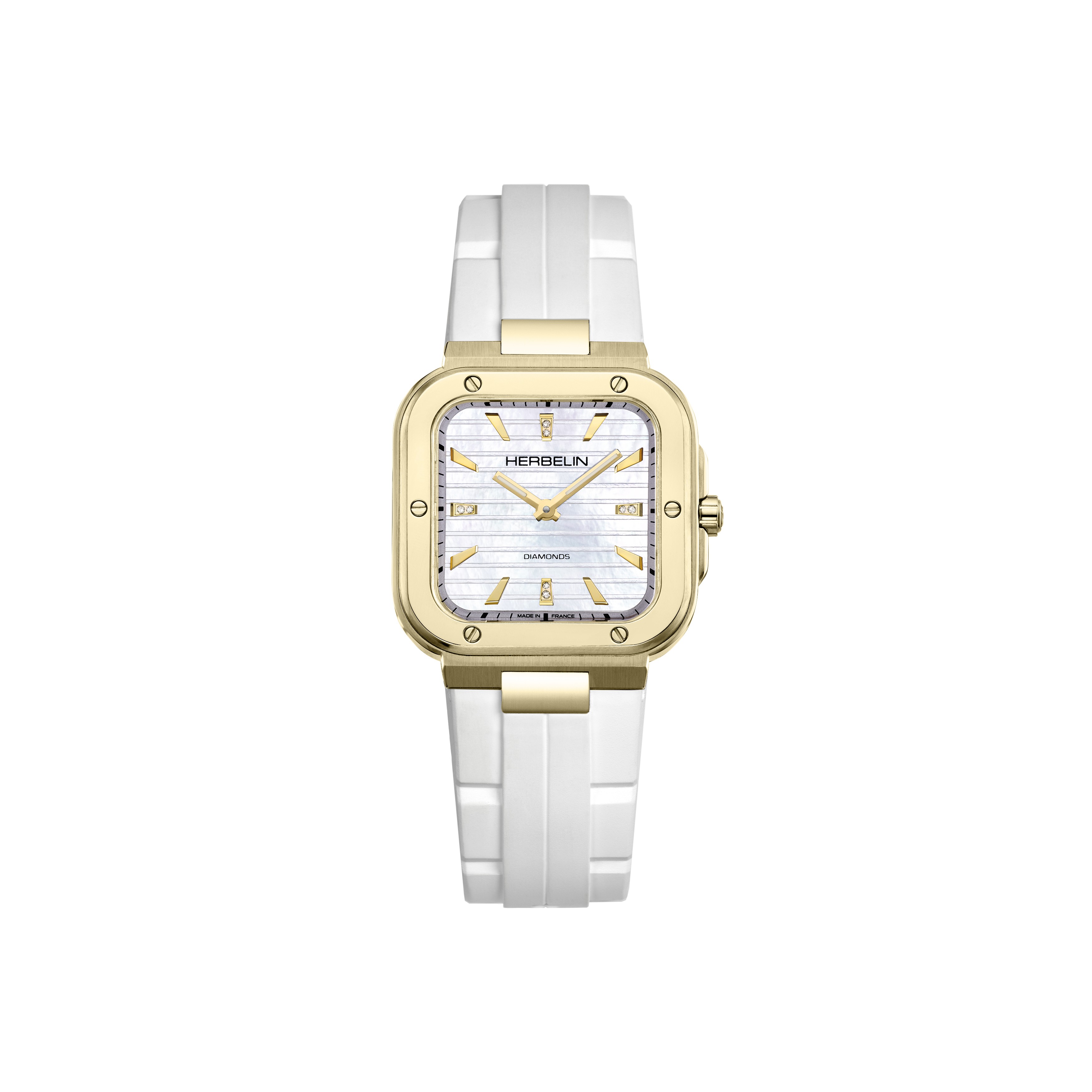
Michel Herbelin
CAP CAMARAT - SQUARE DAME - Mother-of-Pearl & Diamonds
798,46 €
A dial made of genuine mother-of-pearl, set with gemstones. No two pieces of the same model are ever exactly alike.
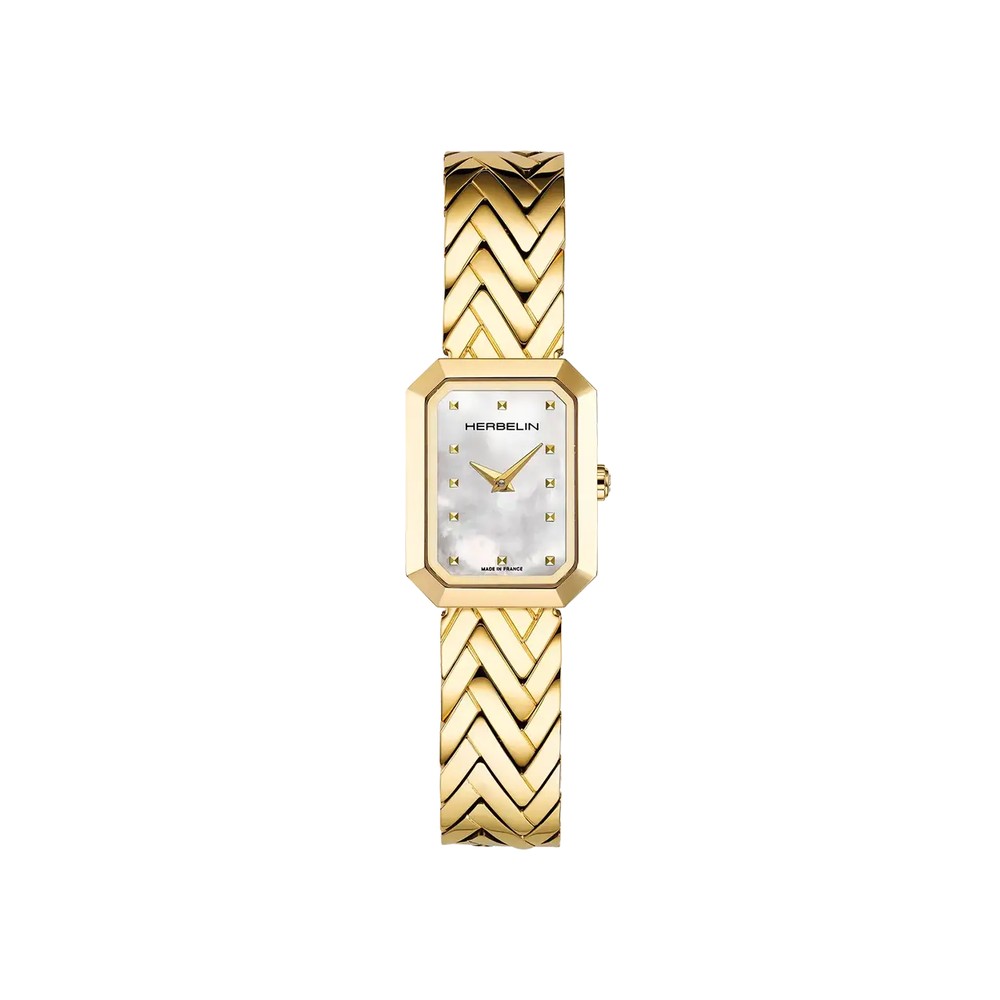
Michel Herbelin
Michel Herbelin Octogone Rectangle White Mother-of-Pearl 17446
648,75 €
White mother-of-pearl in an octagonal case. Light passes through it rather than bouncing off it: it changes with every movement.
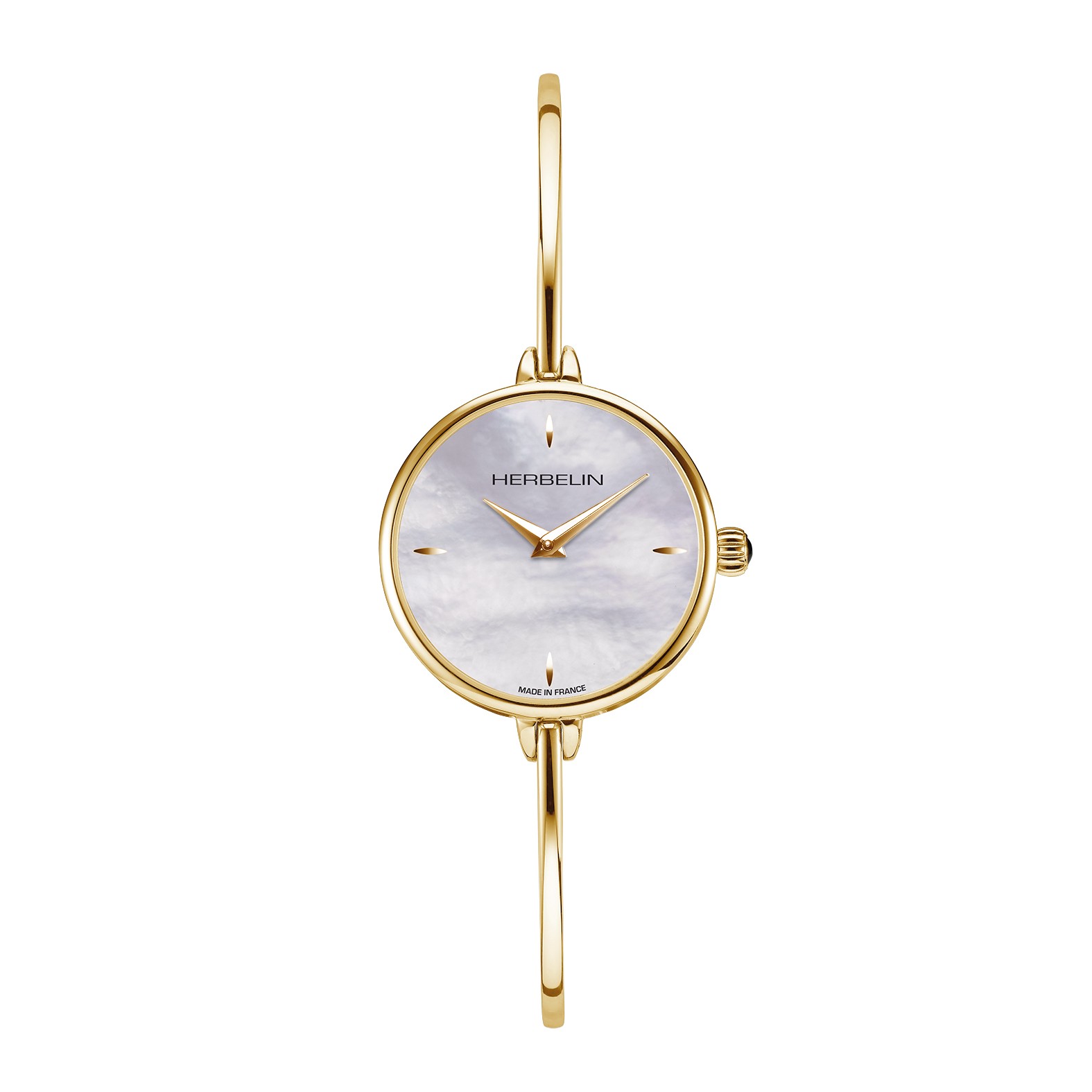
Michel Herbelin
THREAD - QUARTZ - YELLOW GOLD PVD & WHITE MOTHER-OF-PEARL
419,18 €
White mother-of-pearl and yellow gold. The softest contrast there is, because neither material has any sharp edges.
How to Choose Yours
| Your Situation | What to Aim For | Why |
|---|---|---|
| You'll only have one watch | Black or navy blue, with a matte finish | The only two colors that transition seamlessly from the office to the weekend without drawing attention, and the matte finish ensures that what you see is what you get. |
| This is your second watch, next to a black one | Sunny blue or dark green | Different enough to justify buying a second pair, yet simple enough to wear every day. |
| You mostly wear leather and brown shoes | Brown leather strap, choice of dial | This is the only case where the bracelet matters more than the dial. And it's the only material that develops a patina as you wear it. |
| Are you looking for a watch to wear in the evening? | Mother-of-pearl or guilloché dial | In low light, the color alone isn't enough: the watch needs texture or a shimmer to really stand out. |
| You're giving a gift without knowing the recipient's tastes | Blue | The only color that isn't perceived as either masculine or feminine, and that goes with any bracelet. |
| Have you ever been disappointed by a color you saw in a photo? | Look for the finish on the product sheet | A sunburst finish and a lacquered finish in the same shade result in the same photo but two different watches. |
Frequently Asked Questions
What is a sunburst dial?
This is a dial whose surface has been brushed in a circular motion starting from the center, creating thousands of very fine rays. Light reflects off it differently depending on the angle: the color appears light on one side of the dial and much darker on the other, and it changes as you turn your wrist. This is the most common finish on blue and green dials.
Why doesn't my watch look like the photo on the website?
This is because a photo taken in a store is shot head-on under fixed lighting, whereas a dial is a finished surface that reacts to light and angle. A sunburst dial may appear sky blue in a photo and midnight blue inside a room, without any manipulation. To avoid surprises, check the finish listed on the product page as well as the color.
What color watch should you choose if you only have one?
Black or navy blue, preferably with a matte finish. These are the only two colors that can be worn equally well at the office, for evening events, and on the weekend without drawing attention, and the matte finish ensures that the appearance won't change depending on the lighting.
What is a tropical dial?
This is a dial that was originally black, but whose chemically unstable paint has turned brown or chocolate-colored after years of exposure to ultraviolet light and humidity. Considered a defect at the time, it is now highly sought after by collectors of vintage watches because each dial has aged in a unique way.
Is green just a passing fad?
This is the latest color trend in mainstream watchmaking, having become widely popular in the 2020s. The shades of green that stand the test of time are dark greens and sun-kissed greens; light greens quickly take on a khaki hue and make the watch look dated. If you’re unsure, a deep green will age better than a bright green.
Is the mother-of-pearl on a watch face real mother-of-pearl?
Yes: it is a slice of shell that has been cut, thinned, and placed on the dial. That is why no two watches of the same model ever have exactly the same dial, and why the color changes depending on the angle and the light.
Can you wear a gold watch with a black belt?
Yes, provided that the accent appears elsewhere. Yellow gold requires an echo somewhere in the outfit—a buckle, a pair of eyeglass frames, a piece of jewelry. Without this accent, it remains isolated. Rose gold and white gold, which are more subtle than yellow gold, can more easily do without this precaution.