
Interview · Summer 2026
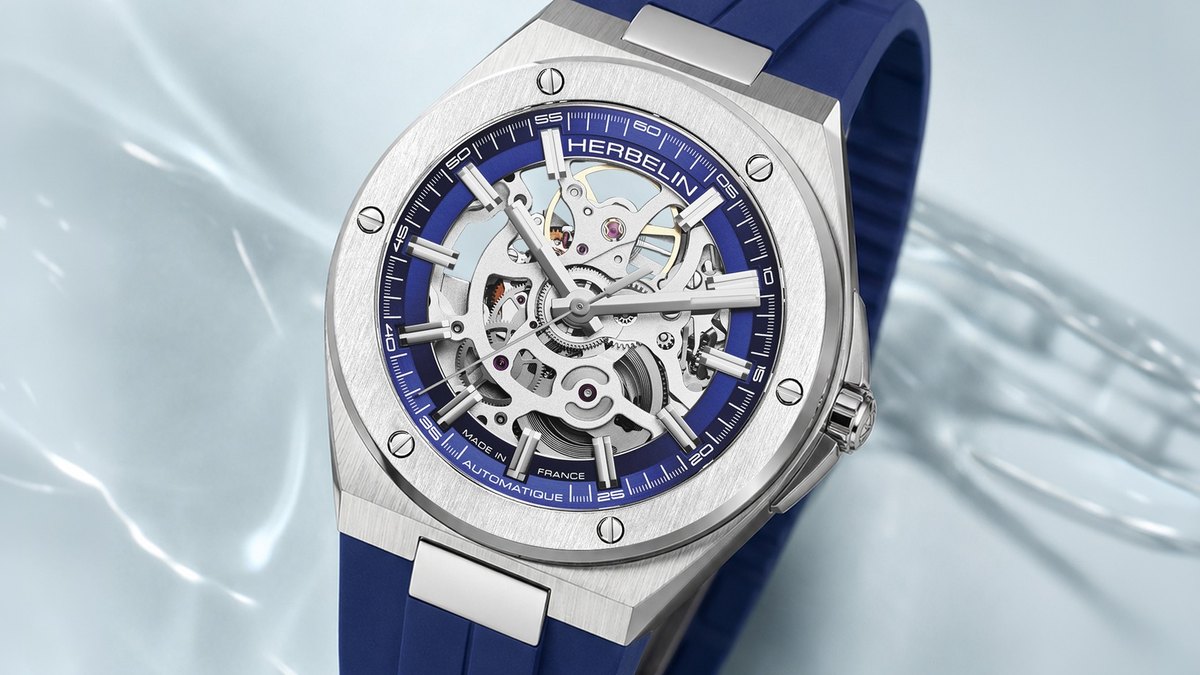
Every summer, the same watches make their way back to the repair shops: fogged-up crystals, a shriveled leather strap, a crown full of sand. Almost always because of something we didn’t realize we were doing. Here’s what salt, sand, sunscreen, and heat really do to your watch—and the simple steps you can take to protect it.
The Essentials in 30 Seconds
- The meters engraved on a watch refer to a laboratory pressure test, not swimming depth. A 30-meter watch is not suitable for swimming.
- After swimming in the ocean, rinse the watch with fresh water with the crown screwed down. This is the step that saves the most watches.
- Sunscreen is especially hard on the watchband: it stains the leather and leaves marks on some rubber bands.
- Seals are wear parts. Have them checked every 2 to 3 years if you swim while wearing your watch.
Meters don't mean what you think they do
This is the most common misconception in watchmaking. The “50 m” engraved on the back of your watch does not mean you can go down to fifty meters. It refers to a pressure test conducted in a laboratory on a brand-new watch in still water. However, swimming, diving off a dock, or simply running your hand under a stream of water creates pressure spikes far greater than those encountered at actual depths. Added to this is the aging of the gaskets, which the test does not take into account.
Hence a simple, deliberately conservative rule that applies to the overwhelming majority of watches:
| Indications | What You Can Do | In our catalog |
|---|---|---|
| 30 m / 3 ATM | Rain, splashes, hand washing. No swimming. | 952 models |
| 50 m / 5 ATM | Showering, swimming on the surface without diving or competitive swimming. | 551 models |
| 100 m / 10 ATM | Swimming, snorkeling, and surface water sports. | 615 models |
| 200 m / 20 ATM | Recreational diving, freediving. | 65 models |
| 300 m and more | Scuba diving. | 9 models |
If you're planning to buy a watch for this summer rather than protect the one you already have, our guide to summer watches for 2026 breaks down options by budget, and the section on which watch to wear at the beach addresses the specific considerations for waterfront settings.
The crown: the only entry point that's up to you
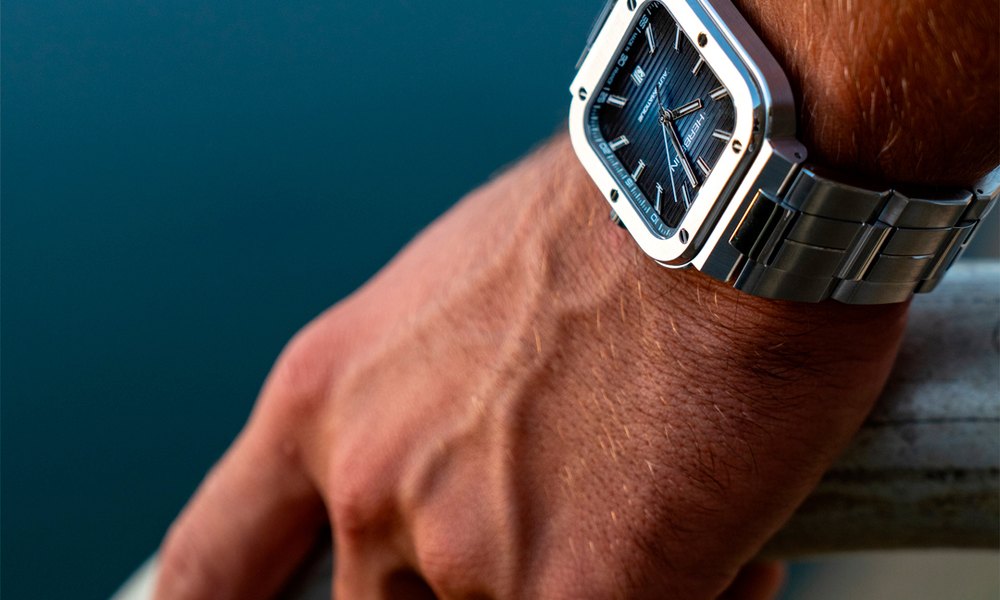
A water-resistant watch owes its water resistance to three barriers: the case back seal, the crystal seal, and the crown seal. The first two do not touch each other. The third is literally in your hands.
After the Sea: Sixty Seconds That Change Everything
Seawater doesn't damage a watch while you're swimming. It damages it as it dries. The salt crystallizes, becomes abrasive, gets lodged in the crevices of the bezel and bracelet, and slowly corrodes the seals and moving parts. A steel bracelet that isn't rinsed properly will eventually start to squeak and then leave marks on the skin.
This rinse is also recommended after swimming. Chlorine does not behave like salt: it does not crystallize, but instead chemically attacks the elastomers in the seals and certain surface treatments. The procedure itself, however, is the same.
Sand: An Underestimated Abrasive
Sand causes almost no damage as long as it stays on the outside. The problem starts when you handle the watch without rinsing it off first. Turning a bezel full of sand grains scratches the inside of the bezel. Pulling a sandy crown allows particles to get in where the gaskets are.
The instructions are therefore counterintuitive: rinse first, then brush. And if any food particles remain stuck between the links, a thorough rinse and a soft-bristled toothbrush will take care of most of them.
Sunscreen: The Silent Enemy of Bracelets
This is something almost no one anticipates. The filters and oils in sunscreen are designed to adhere to and resist water. On a leather strap, they penetrate the fibers, soften them, leave a dark ring, and eventually cause irreversible hardening. On certain light-colored rubber straps, they leave a yellowish film over time.
The solution consists of three steps: apply the cream before putting on your watch, let it soak in for a few minutes, and wipe down the strap in the evening with a slightly damp cloth. And above all, don’t take your leather strap to the beach: the combination of cream, salt, and sweat is what will ruin it the fastest.
The Heat, the Car, and the Fog
A closed car interior in direct sunlight can easily exceed 60 degrees. At that temperature, a quartz watch’s battery drains faster, the lubricants in a mechanical movement thicken, and the gaskets expand. Nothing dramatic at the time, but it adds up to a lot of wear and tear over time.
The real danger is thermal shock: when a watch that has been left in the sun is then submerged in cold water, the air inside the case contracts suddenly, drawing moisture in through even the slightest worn seal. This is the most common cause of fogging under the crystal. If fogging occurs, stop wearing the watch and take it to a watchmaker: the trapped moisture will cause the movement to rust within a few days.
Which bracelet for summer?
| Subject | In the summer | Interview |
|---|---|---|
| Silicone, rubber | The best choice. Resistant to water and salt. | Rinse with fresh water. |
| Steel | It's indestructible, but it gets hot in the sun. | Rinse, then use a soft brush between the links. |
| Fabric, NATO | Dries quickly and is comfortable in hot weather. | Wash in soapy water; lay flat to dry. |
| Leather | Avoid using near water. Do not expose to salt, sweat, or lotion. | Use a dry cloth; never submerge. |
Seals: The Wear Parts We Tend to Forget
Water resistance is not a permanent property; it is a consumable. Seals are made of elastomer: they dry out, lose their elasticity, and compress over the years. A watch sold as water-resistant to 100 m eight years ago, which has never been opened, is no longer a 100 m watch.
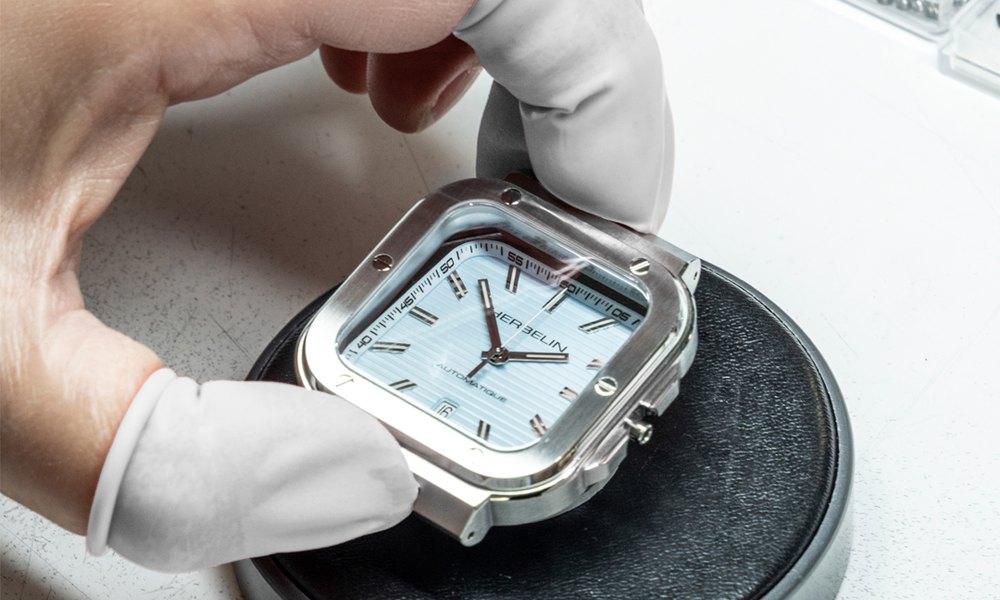
There are two situations that call for a check. First, the frequency: every 2 to 3 years if you swim regularly with it. Second, whenever the case is opened, for whatever reason. Even a simple battery change compromises the water resistance: if the gaskets aren’t replaced and the watch isn’t retested, it will leave the repair shop no longer water-resistant, with no visible indication of the problem.
Our selection of water-ready items
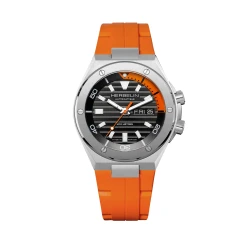
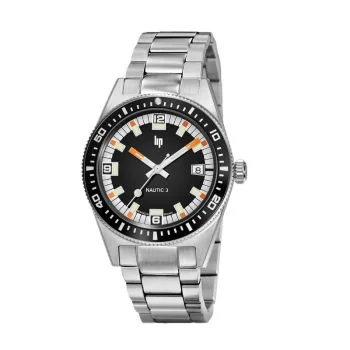
If your current watch is rated for a maximum of 30 m, no amount of maintenance will make it suitable for swimming. Here are some available models, listed according to their actual water resistance ratings.
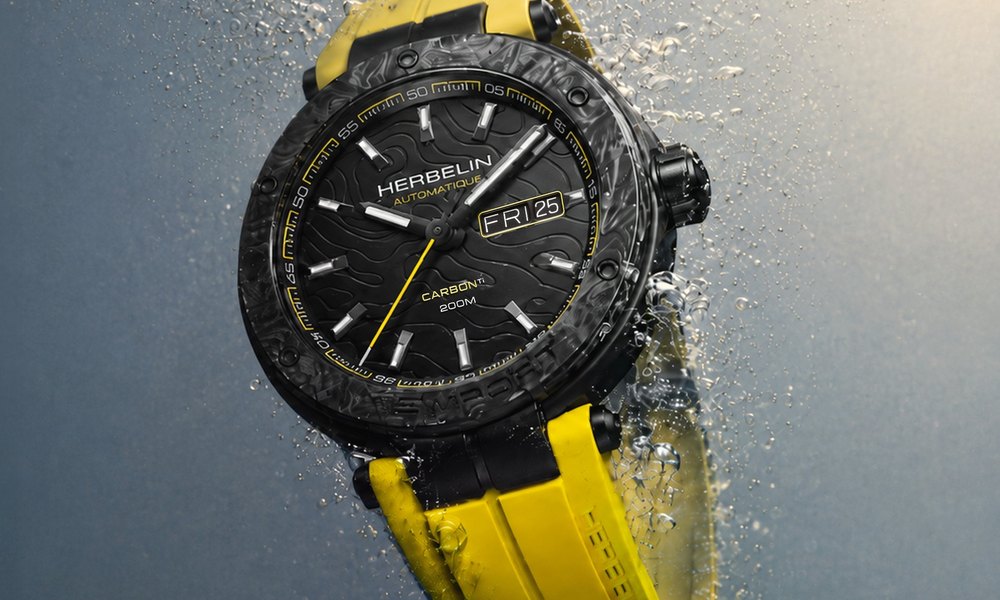
200 m: recreational diving and water sports
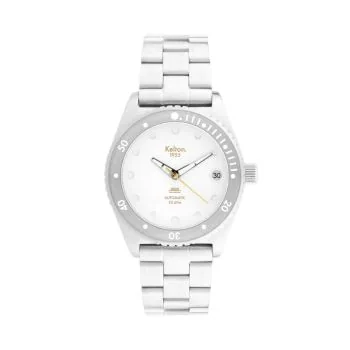
100 m: swimming and snorkeling
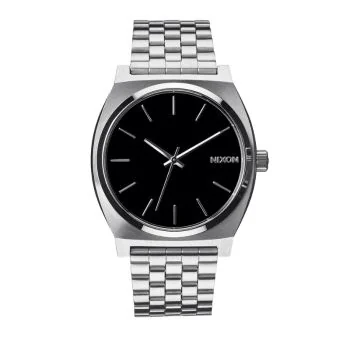
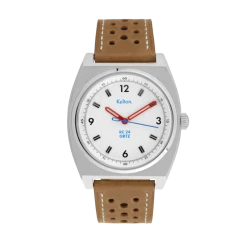
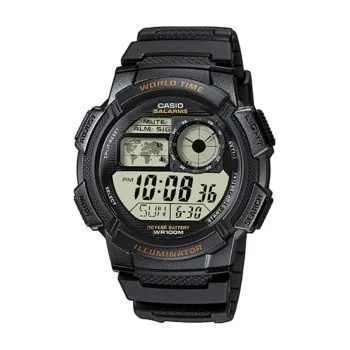
50 m: leisurely swimming on the surface
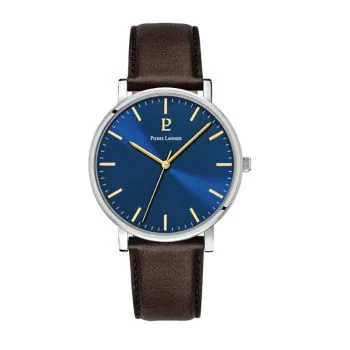
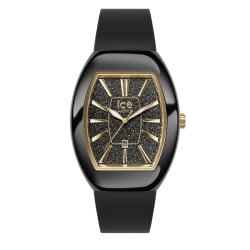
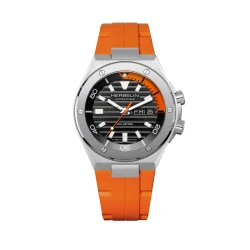
Many of these models are on sale through July 28. You can also browse our entire selection of men's and women's watches, or the Michel Herbelin collection for nautical-style watches.
Frequently Asked Questions
Can I go swimming with a 30-meter (3 ATM) watch?
No. A watch rated at 30 m is resistant to splashes, rain, and hand washing, but not to submersion. The meters rating corresponds to a static pressure test in a laboratory, not to an actual swimming depth. For swimming, aim for at least 100 m.
What should I do if my watch has gotten wet with seawater?
Rinse it immediately with lukewarm fresh water, making sure the crown is tightly screwed down, then dry it with a soft cloth. Crystallized salt can damage the seals and moving parts. If fog appears under the glass, stop wearing the watch and take it to a watchmaker as soon as possible.
Does sunscreen damage a watch?
It mainly damages the strap. Sunscreen and oils can soften and stain the leather, and may leave marks on certain light-colored rubber straps over time. Apply the cream before putting on the watch, let it soak in, and wipe down the strap in the evening with a slightly damp cloth.
Is it okay to leave your watch in a car in direct sunlight?
This should be avoided. The temperature inside the case can exceed 60 degrees, which drains the quartz battery, thickens the lubricants in the mechanism, and causes the gaskets to expand. The contrast between this heat and a cold swim also promotes condensation under the glass.
Is chlorine in a swimming pool worse than seawater?
Both are corrosive for different reasons. Salt crystallizes and causes scratches, while chlorine chemically attacks seals and certain surface treatments. In both cases, the recommended action is the same: rinse off with fresh water when leaving the pool.
How often should you replace the gaskets in a watch?
Gaskets are wear parts: they dry out and compress over time. Have them checked every 2 to 3 years if you swim regularly while wearing your watch, and always after the case has been opened—for example, during a battery replacement.
Which bracelet should I choose for summer?
Silicone and rubber are completely waterproof and can be rinsed off. Steel can withstand anything but gets hot in the sun. Fabric dries quickly and stays comfortable. Leather is the only material that really suffers in the summer: water, salt, sweat, and sunscreen cause it to harden and fade.
Can sand really damage a watch?
Yes, because it's abrasive. The grains get lodged in the rotating bezel and around the crown, and turning the crown while there's sand on it will cause particles to get inside the case. Rinse it off before touching anything.