Club de la Montre is a French retailer of brand-name watches, based in Toulouse. This article explains what a skeleton watch really is and how to choose one based on your budget. Our recommendation for beginners: the Pierre Lannier Automatic at 198.89 euros, a genuine French automatic watch with an open dial.
The Essentials in 30 Seconds
- "Skeleton" does not mean an openwork dial. True skeletonization involves hollowing out the movement itself, including its bridges and mainplate. An opening cut into a solid dial is an "open-heart" watch, which is not the same thing.
- The movement is almost always automatic, and that's no coincidence: there's no point in showcasing a quartz movement. Of the 67 models we have in stock, only 4 are quartz.
- Our 67 available models range in price from 34.90 to 3,299 euros. Pierre Lannier has 48 of them, Michel Herbelin has 7, Charlie Paris has 5, Performer has 4, and Ice-Watch has 3.
- The core of the market is in the 160- to 300-euro range, and it is French.
- In English, it's called a "skeleton watch"; the word is the same in both languages and refers to the same thing.

What a Skeleton Watch Really Is

The word comes from the action itself. “Skeletoning” means removing material from a movement until only what is necessary remains. The bridges are hollowed out, the mainplate is openworked, the barrel is drilled through—and what remains stands on its own because the watchmaker has calculated exactly what could be removed without the watch ceasing to function. It is a process of subtraction, and it is irreversible.
So it’s not really a matter of the dial. An open-heart watch has a solid dial with a window cut out—often at 12 o’clock or 6 o’clock—to reveal the balance wheel. It’s attractive, it’s much less expensive, and it’s a different kind of watch. Most watches sold as “skeleton” for under 100 euros are actually open-heart watches.
How can you tell the difference just by looking? Ask yourself if you can see through the watch. On a true skeleton watch, light passes from one side of the case to the other because there is no dial at all. On an open-heart watch, the rest of the dial is opaque, and the opening is a window.
Why a skeleton watch is almost always automatic

That's the most frequently asked question on this topic, and the answer is simple: a quartz movement has nothing to show for itself. It consists of a printed circuit board, a battery, and a small motor. It works very well, but it doesn't move in any visible way and has no mechanical beauty to offer.
A mechanical movement, on the other hand, consists of rotating wheels, a balance wheel that oscillates five to eight times per second, and a mainspring that winds up. Skeletonization only makes sense in this context, because it reveals the mechanism at work. The automatic movement adds another reason: its oscillating weight—that half-disk that rotates with the movement of the wrist—is the most spectacular part of the watch.
Of the 67 watch movements we have in stock, only 4 are quartz. All the rest are mechanical, and the vast majority are automatic, so there’s no need to change the battery: the watch winds itself as you wear it.
How to Break Down a Movement

The process is performed on a finished movement. The watchmaker first sketches what he wants to remove, then drills, saws by hand or with a milling cutter, and files. Each removal weakens the assembly, so it is important to know how far to go without causing the movement to warp when it is reassembled in its case.
Next comes the finishing, which is half the work: the edges are beveled by hand—that is, the sharp corner is chamfered at a 45-degree angle and polished until it reflects light. On workshop pieces, engraving is added. That’s why a high-end watch movement costs tens of thousands of euros: it takes dozens of hours of handwork.
In a 200-euro watch, the movement is openworked during manufacturing—not hollowed out by hand afterward. The bridges are designed to be open from the start and produced that way in series. The result looks the same, but the craftsmanship is different, and that is the honest reason for the price difference.
"Squelette" or "skeleton"—is there a difference?
None. “Skeleton watch” is simply the English term, and it’s the one most international brands use on their dials and product listings. So you’ll see both terms used for the same item, sometimes even on the same product page. Some French brands even write “skeleton” for marketing reasons.
A third term is making the rounds: “openwork,” which translates to “openwork.” It refers more to the lace-like design of the dial or bezel than to the movement itself. If you see the word “openwork” without seeing the mechanism, be wary: it’s often the dial that’s openwork, not the movement.
Under 200 euros: How to Choose the Right One

This is the price range where you really need to know what you're buying. Under fifty euros, you're looking at open-face dials, which are a great choice if you're after style without the high price tag. Above one hundred fifty, you're moving into the realm of genuine mechanical movements.
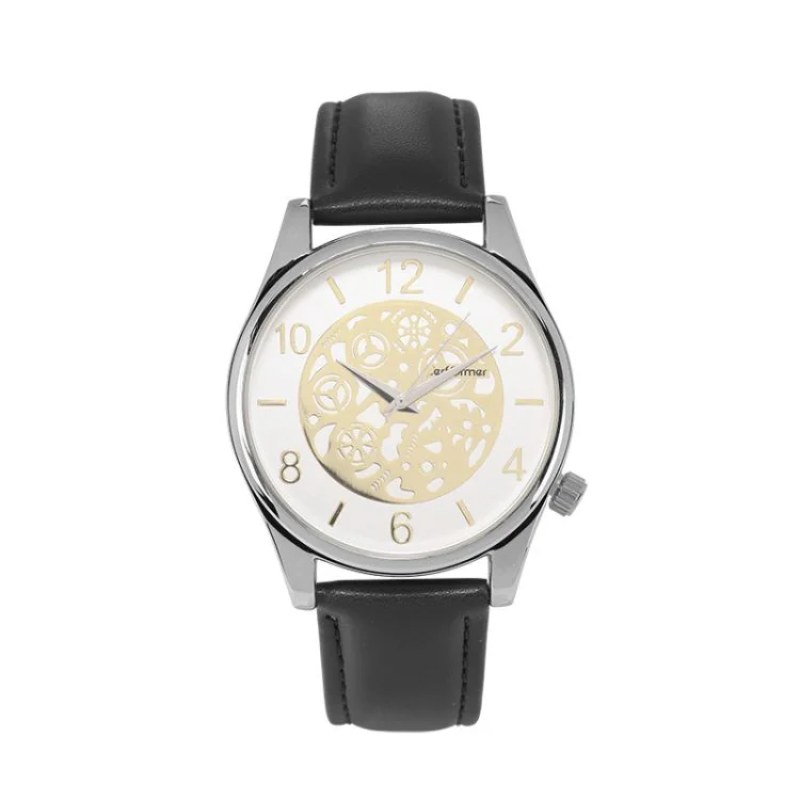
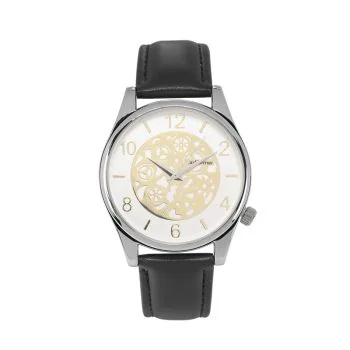
Performer Skeleton Black Leather
34,90 €
The ultimate entry-level watch, under thirty-five euros. Open dial, leather strap.
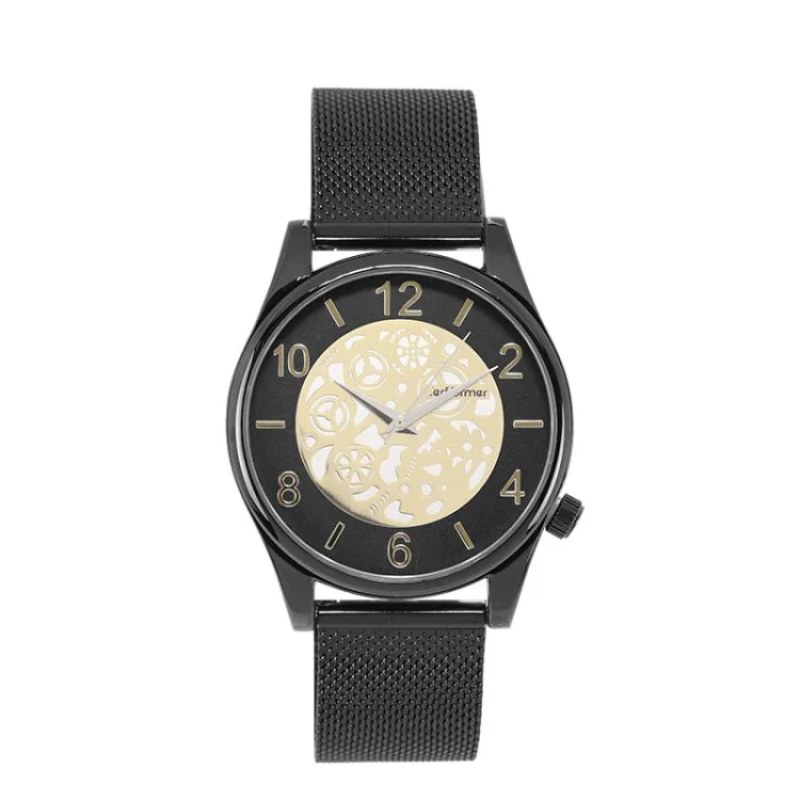
34,90 €
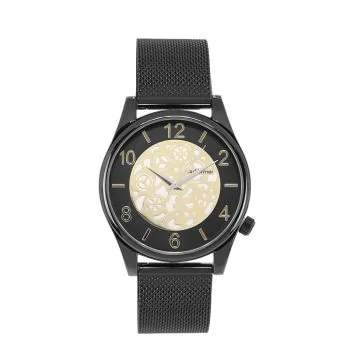
The same one in black Milanese mesh. To see what it's all about without committing.
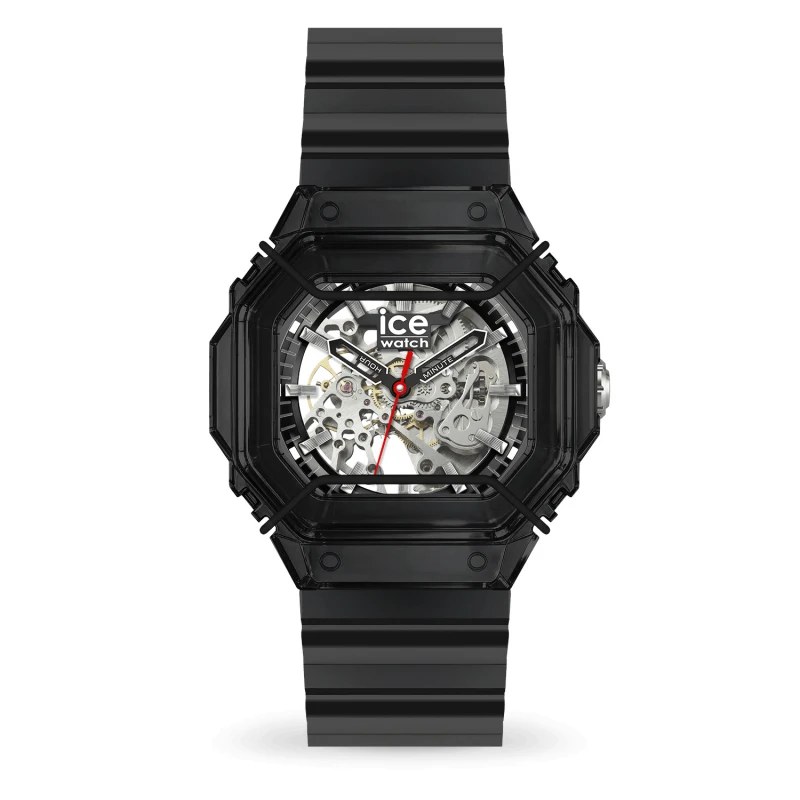
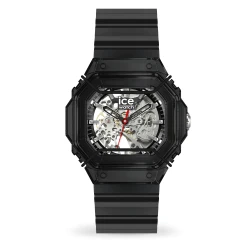
Ice-Watch Bewatch 2 Black Skeleton
169 €
A contemporary take on the skeleton watch, featuring a wide case and a silicone strap.
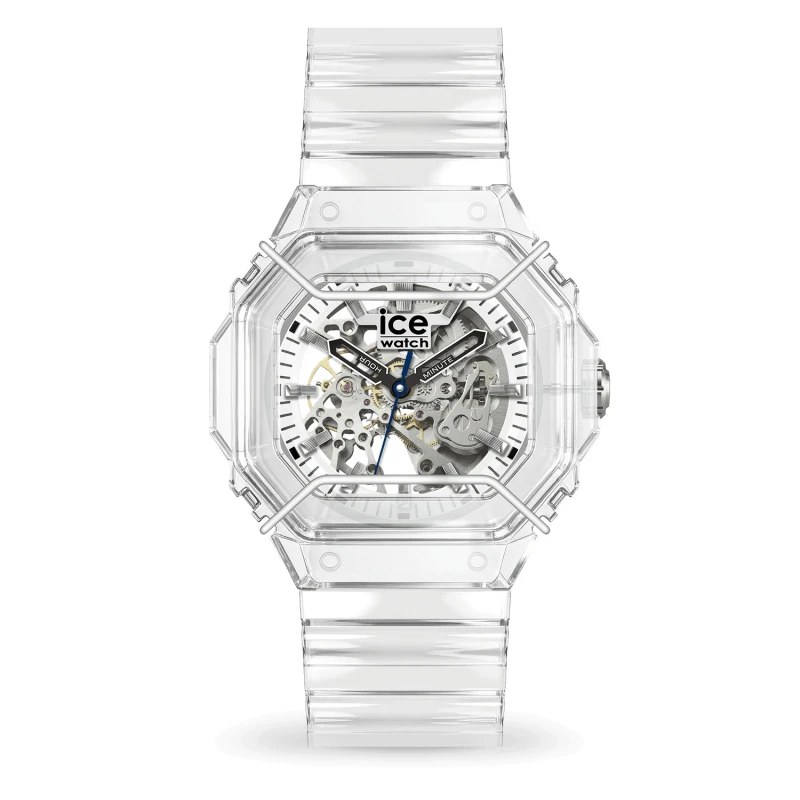
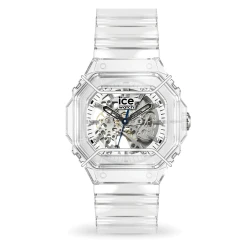
Ice-Watch Bewatch 2 Transparent
169 €
Translucent case: you can see the movement, and you can also see through the watch.
The Fleuret by Pierre Lannier, priced at 160 euros, is the model to watch: it’s a fully automatic, battery-free watch from a French brand. Ice-Watch takes a different approach, featuring a wide, translucent case that’s closer to a fashion accessory than a timepiece.
From 200 to 300 euros: the heart of the market
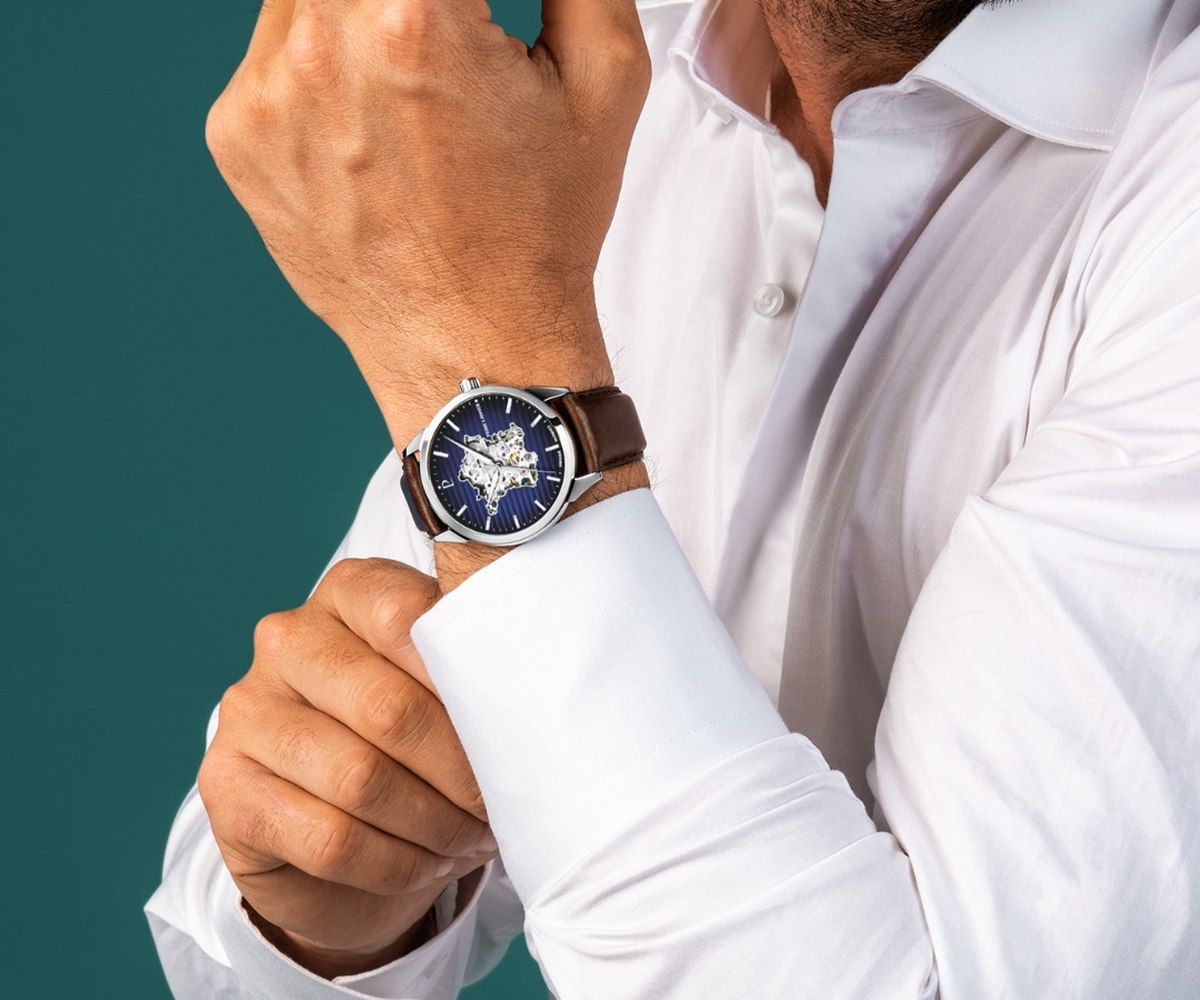
That's where the bulk of our selection is, and that's where you get the best value for your money. Pierre Lannier accounts for almost the entire section on his own, with 48 items in stock here.
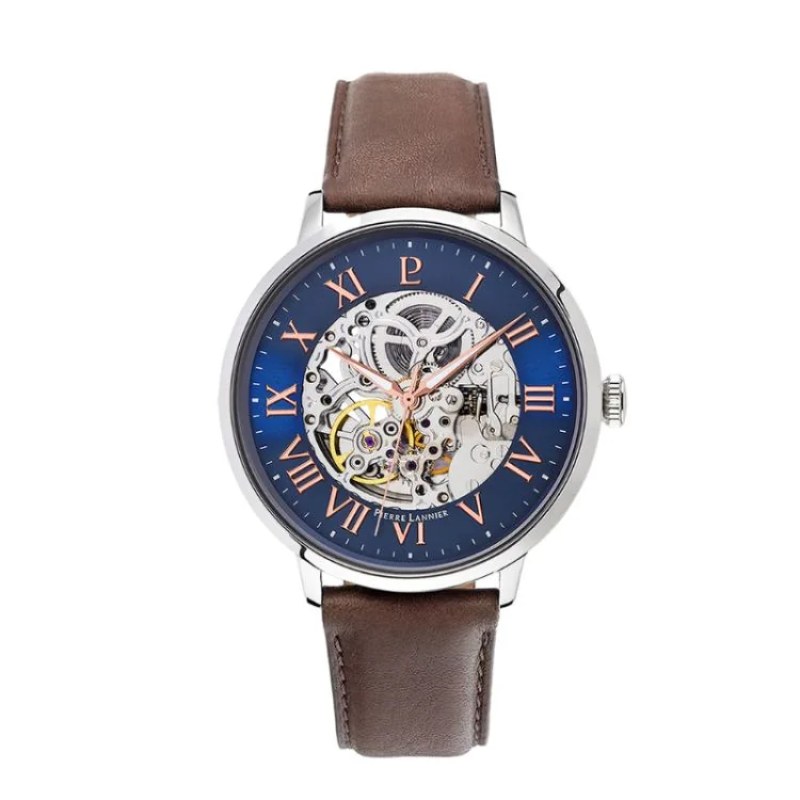
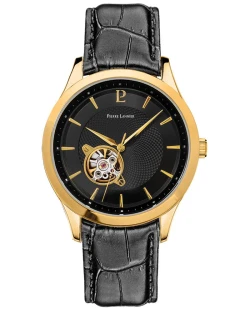
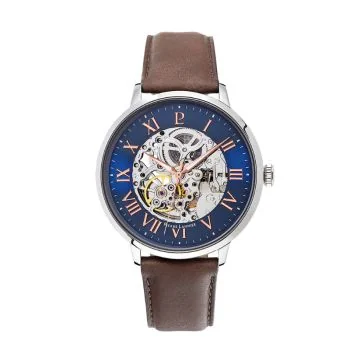
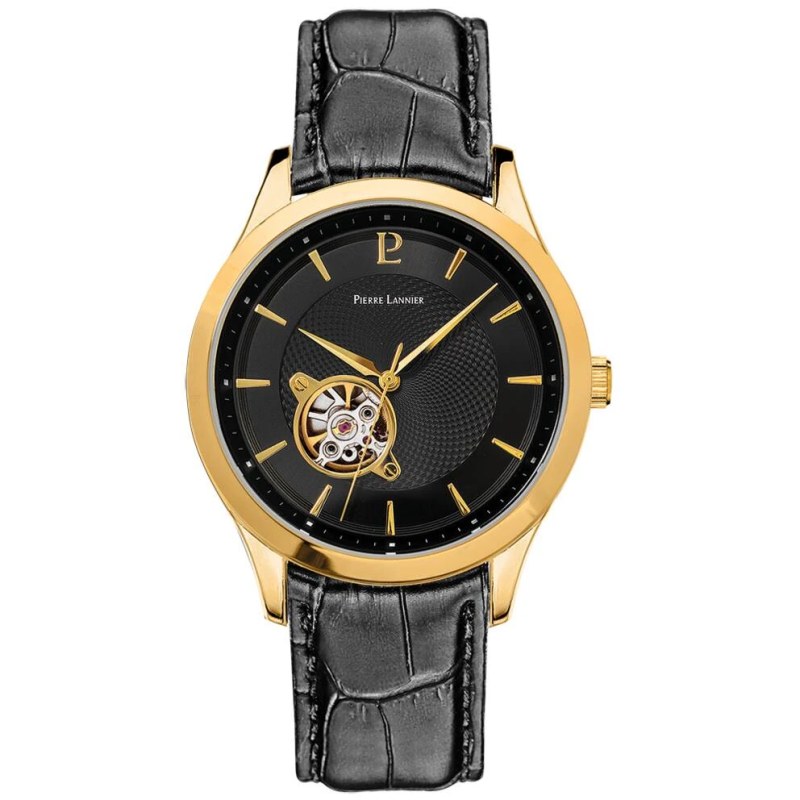
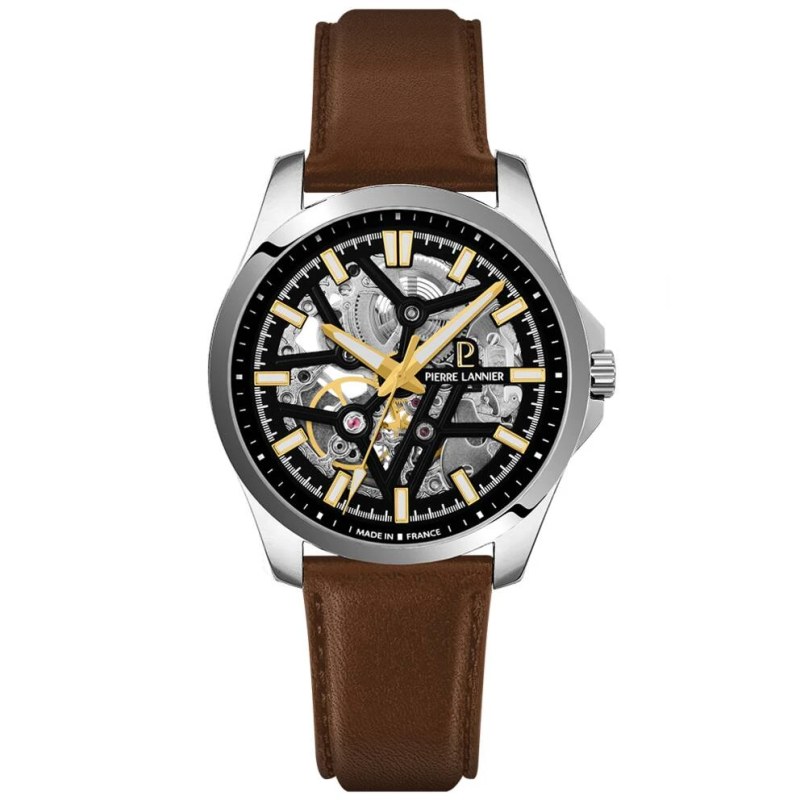
Pierre Lannier Automatic Leather
198,89 €
Automatic watch for less than two hundred euros, with an open case back revealing the balance wheel.
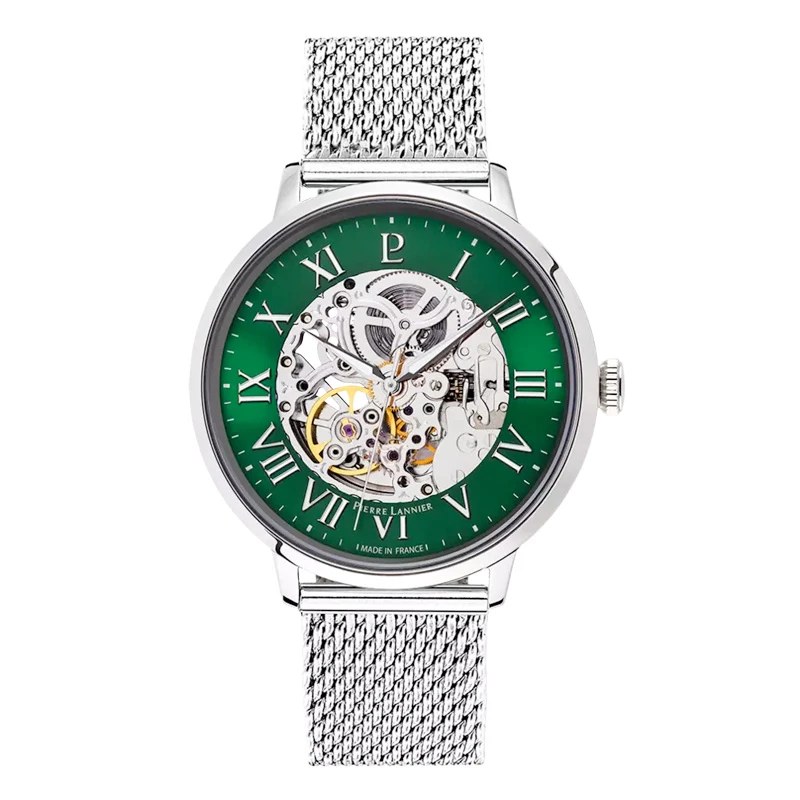
Pierre Lannier Automatic with a green dial
218,89 €
Pine green on a Milanese mesh bracelet. One of our most viewed product pages.
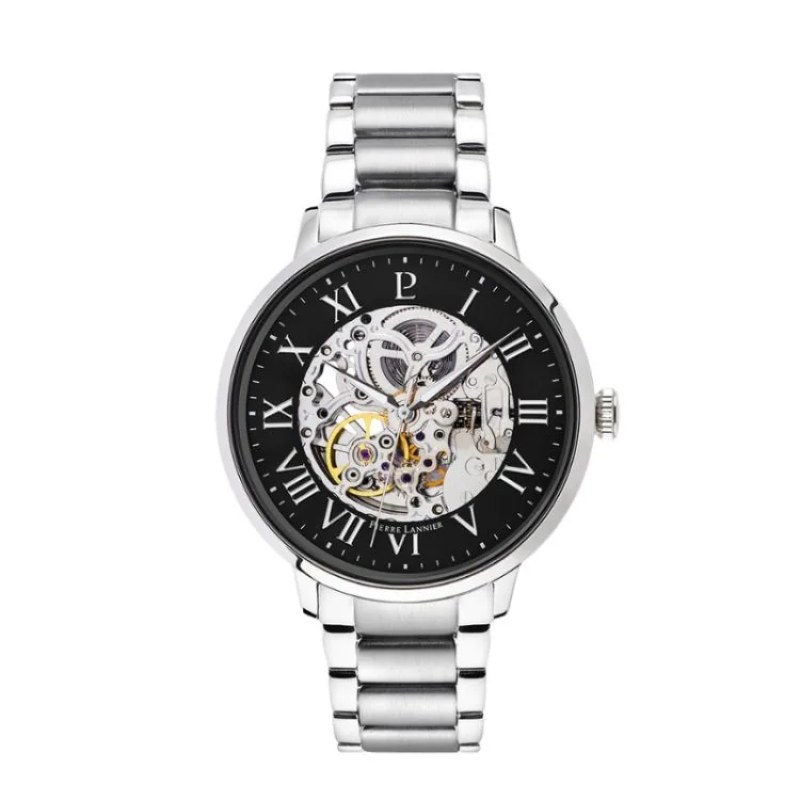
Pierre Lannier Automatic, Steel
228,89 €
The same movement, encased in solid steel. It's perfect for the office.
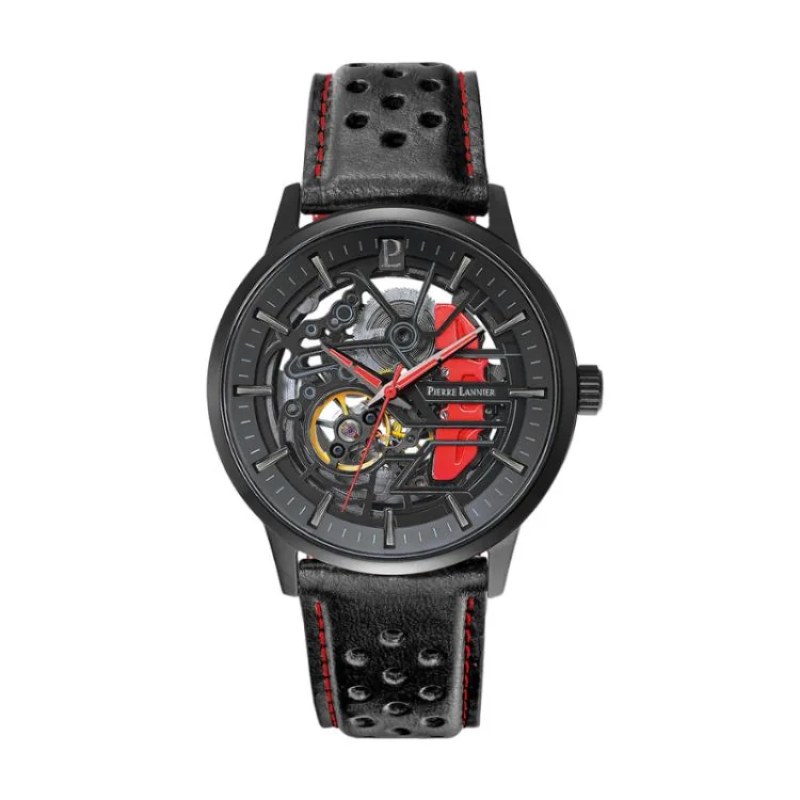
278,89 €
43 mm, red perforated leather, racing-inspired. It certainly turns heads.
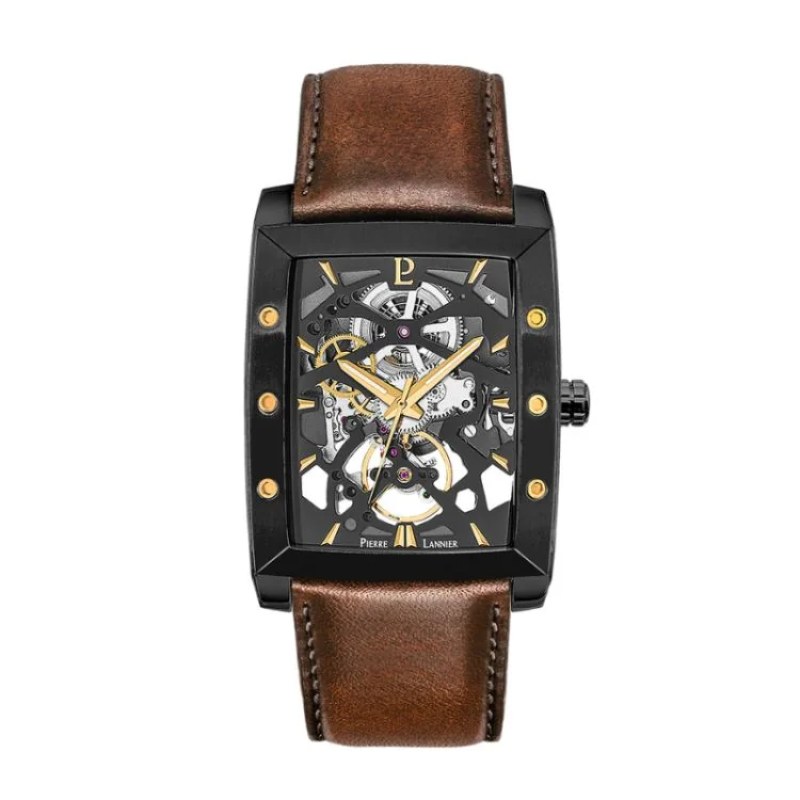
Pierre Lannier Hector Automatic
288,89 €
43 mm, open dial, 50 meters. The most comprehensive model in the French line.
The Paddock and the Hector measure 43 millimeters and make a bold statement.The stainless steelAutomatic stays under 40, which makes it much easier to wear under a sleeve. If you're unsure about the diameter, our guide to choosing the right diameter based on your wrist size explains how to choose.
The Female Skeleton
It’s a blind spot in the market: very few small-diameter skeleton movements are produced, and even fewer are automatic. A 32-millimeter automatic ladies’ watch remains a rarity for under three hundred euros, because the movement itself doesn’t get any smaller.
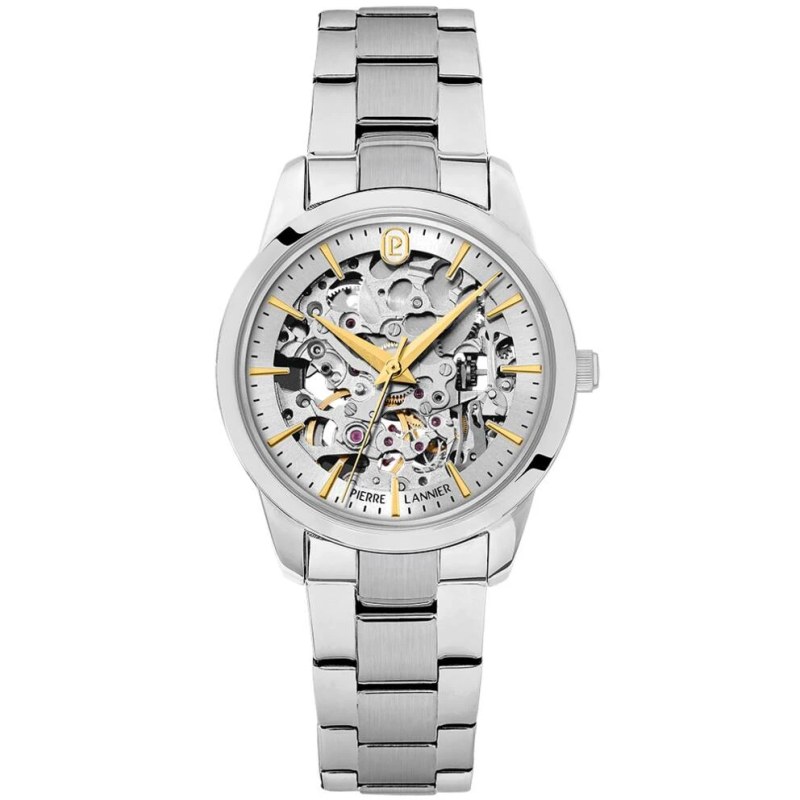
Pierre Lannier Automatic Tea Maker
229 €
A 32-mm ladies' automatic watch, which is rare at this price point.
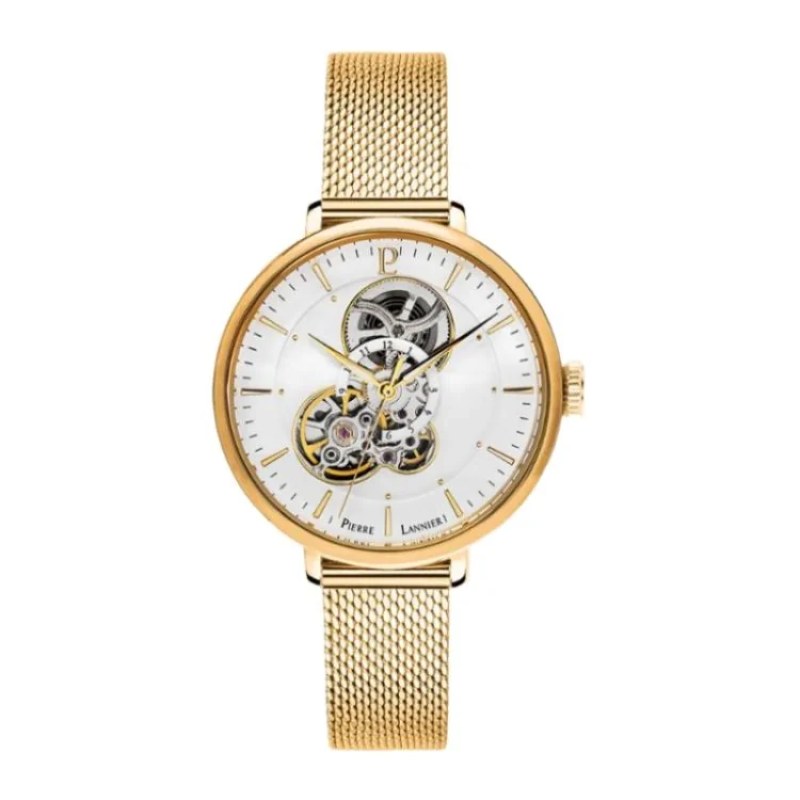
Pierre Lannier, "Skeleton Melody"
238,89 €
Gold Milanese mesh, floral clasp. The skeleton design in a jewelry-style version.
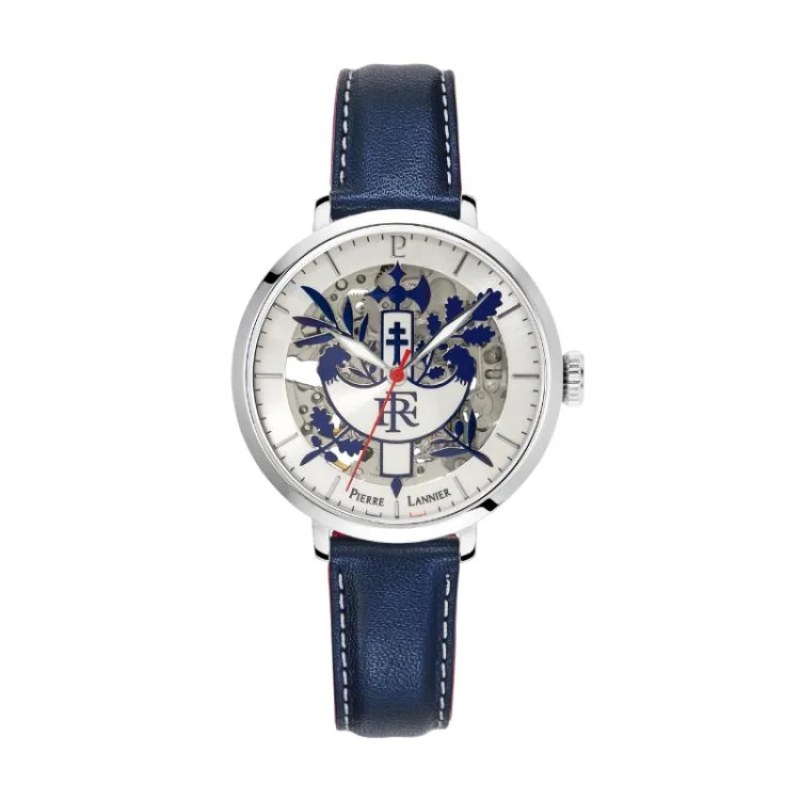
The Élysée is the most viewed item in our entire women's skeleton watch section. The rest of our selection can be viewed in the women's watches section.
Over 400 euros: French blends
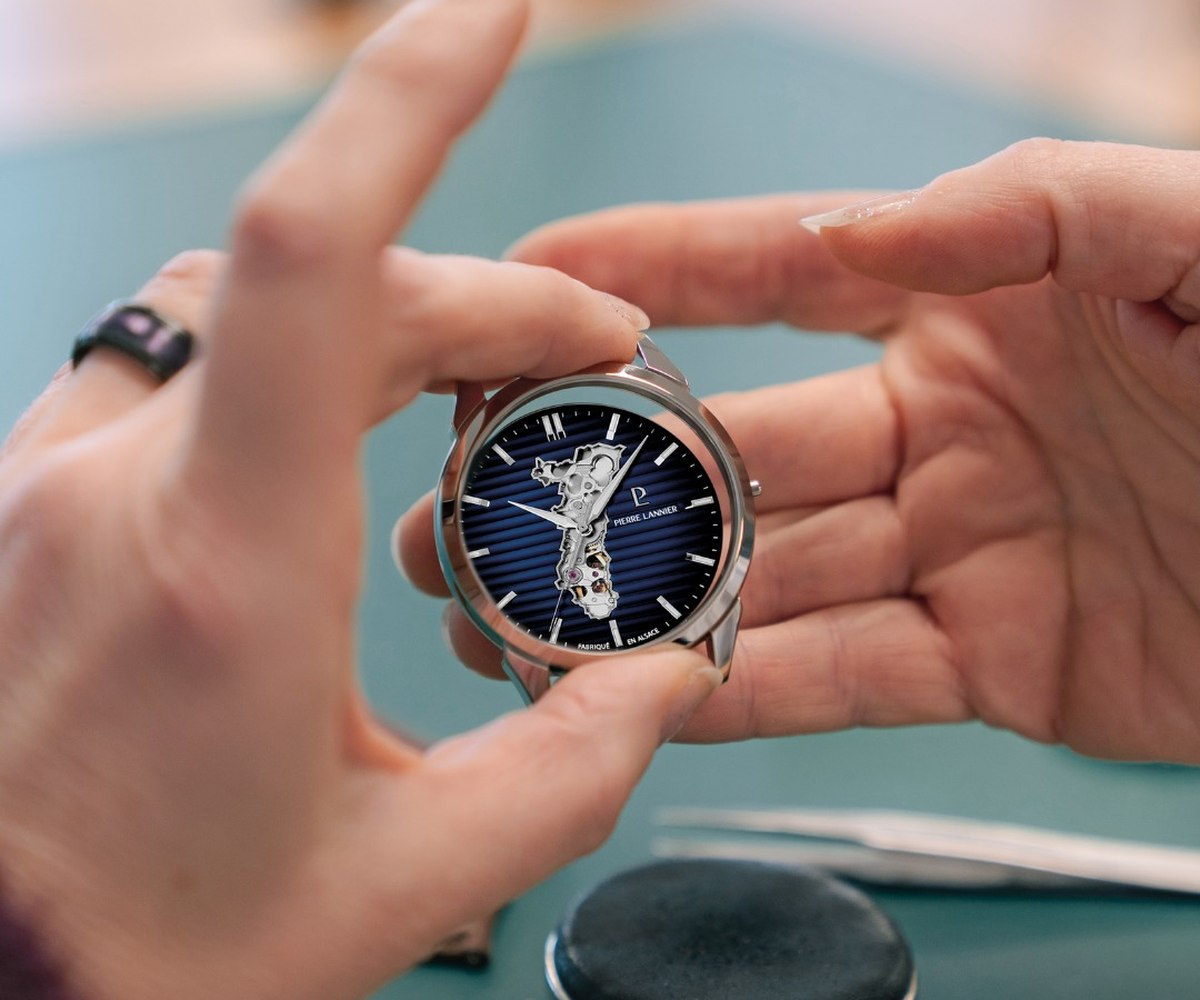
At this level, you’re no longer just paying for an open-worked movement; you’re paying for where and how the watch is assembled. Charlie Paris assembles its watches in Paris and crafts dials that you won’t find in mass-market catalogs—particularly this deep green, which is the most difficult color to achieve on an open dial.
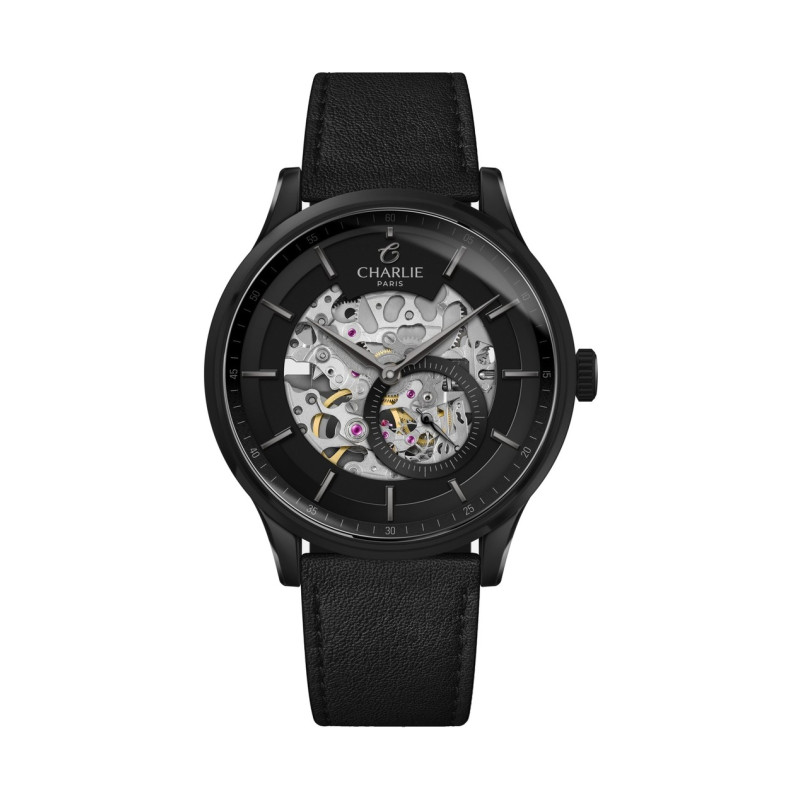
445 €
40 mm, automatic, assembled in Paris. The skeleton watch that gets the most searches.
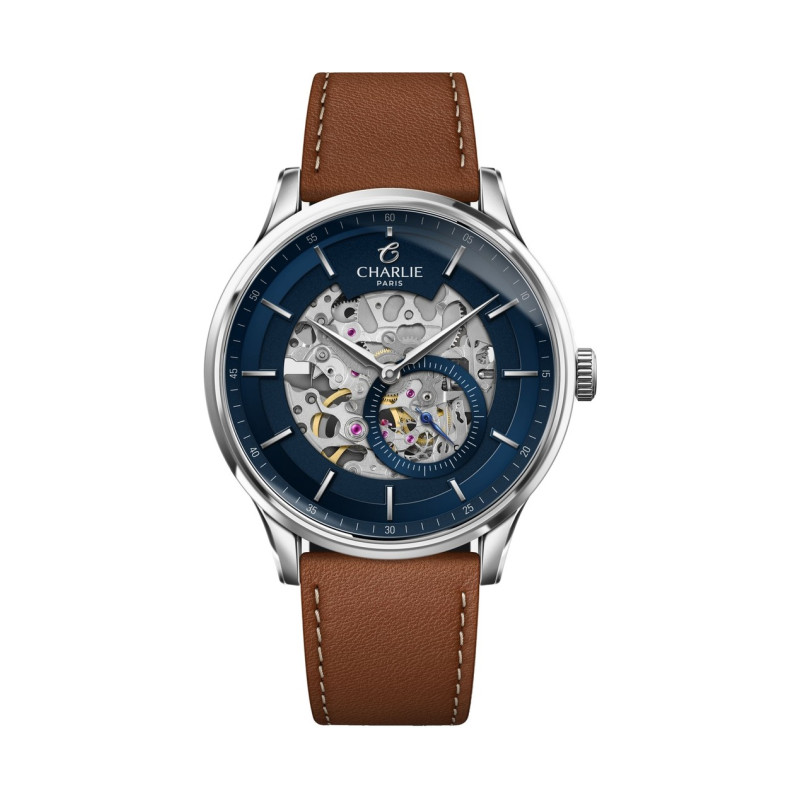
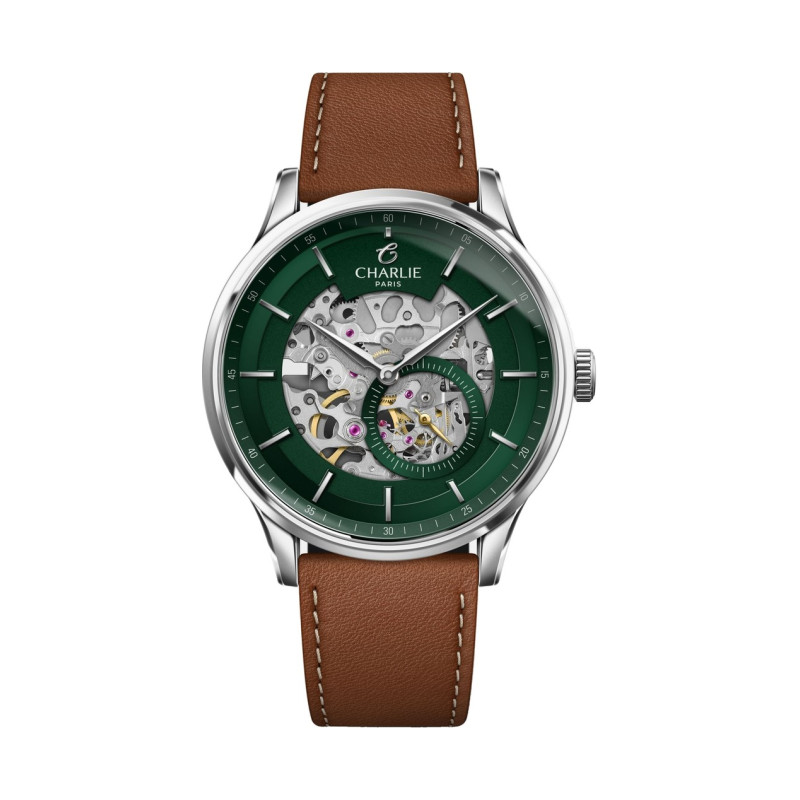
The Initial Phantom is, by far, the frame that attracts the most searches on our site. The entire brand is featured on the Charlie Paris page, and our full review of Charlie Paris details the collections.
The High End: When the Frame Becomes Waterproof
There’s an amusing contradiction in the idea of a water-resistant skeleton watch. An open-worked movement is, by its very nature, more exposed, and yet Michel Herbelin produces models rated for 100 and even 200 meters. It’s the kind of feat that explains the price just as much as the craftsmanship.
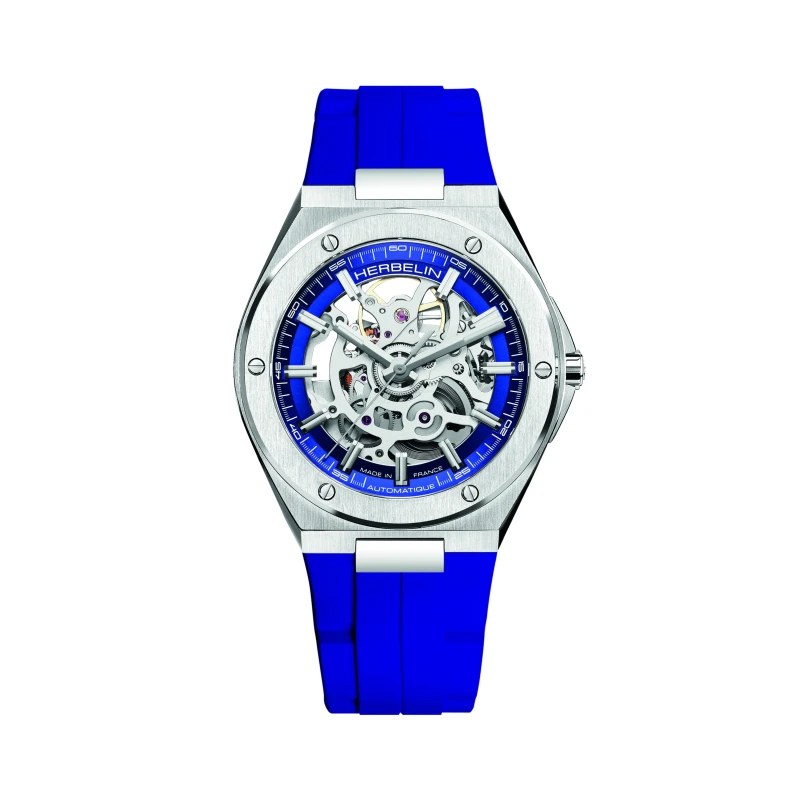
2000 €
Automatic skeleton, 100 meters, stainless steel. We're moving on to a different category.
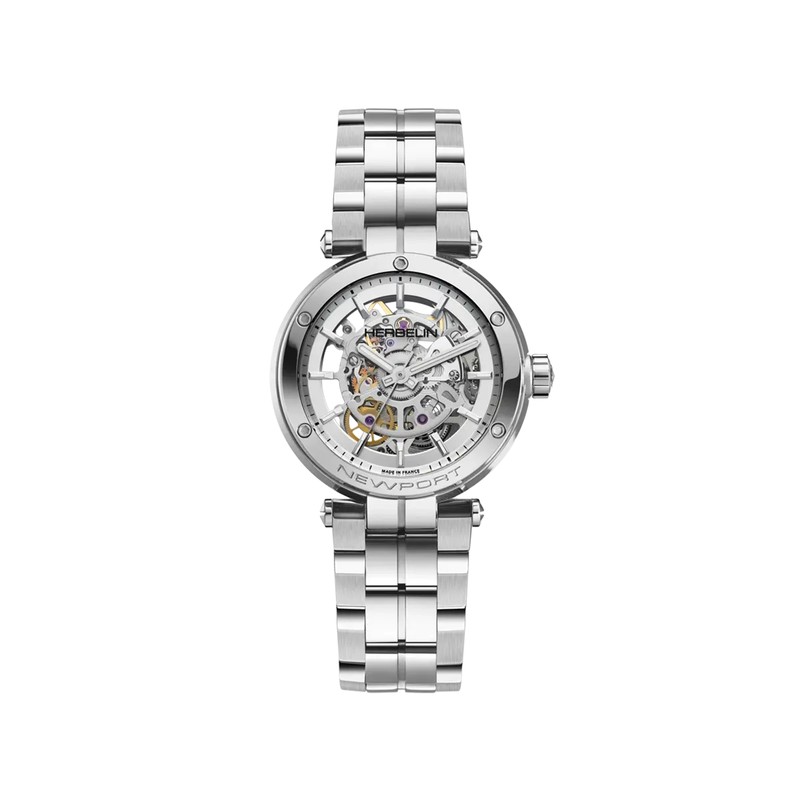
Michel Herbelin Newport Skeleton
2100 €
35 mm, 100 meters. The diving skeleton watch—a successful contradiction.
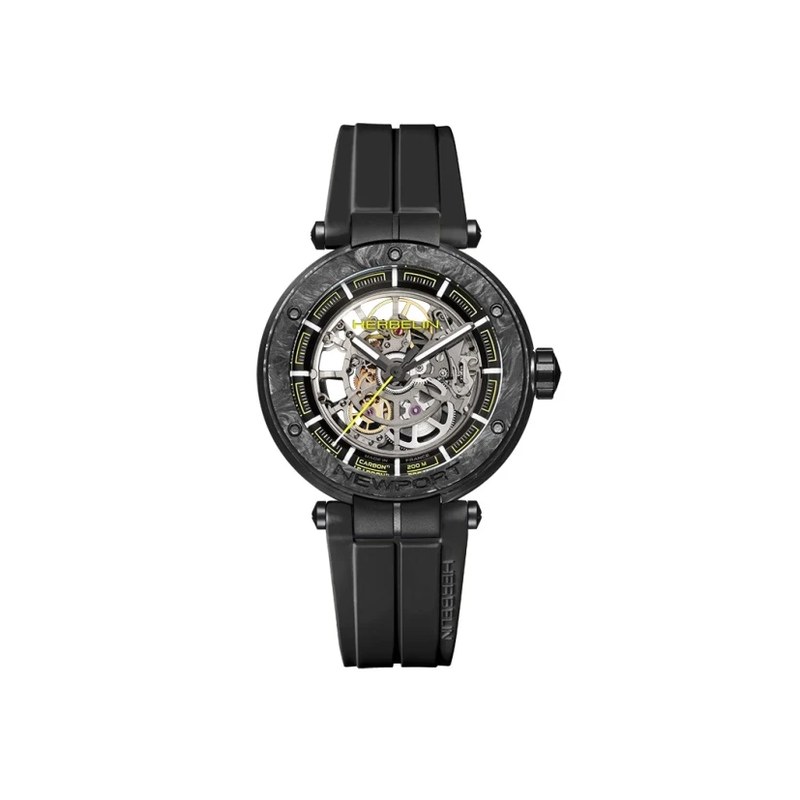
Michel Herbelin Newport Carbon Titanium
3299,91 €
Carbon and titanium, 43 mm, 200 meters. The top model in our lineup.
The Newport Carbon and Titanium is the most expensive watch in our entire skeleton watch collection. The rest of the collection can be found on the Michel Herbelin page.
Why the affordable skeleton is French

It’s no coincidence that 48 of our 67 skeleton watches share the same name. Pierre Lannier has been based in Alsace since 1977 and has made visible movement her trademark at a price point no one else can match. While Swiss brands position skeleton watches at the top of their line, she has made them her entry-level offering.
The rest of the French watch brands we carry approach the subject differently: Charlie Paris through its Parisian assembly, Michel Herbelin through its water resistance and finish. Our overview of French watch brands places each one in its own category.
How to Choose a Skeleton Watch
- Decide whether you want to show the mechanism or just hint at it. A real skeleton lets light through, while an open heart reveals a window. The former starts at around 160 euros, while the latter starts at 35.
- It's up to you whether you want to wind it or not. An automatic watch stops after 38 to 42 hours if it isn't worn. If you rotate between several watches, you'll have to set the time each time. That's just part of the deal.
- Measure your wrist before looking at the millimeters. A 43-millimeter skeleton watch appears larger than a solid watch of the same diameter, because the eye has no dial to focus on.
- Check the water resistance rating if you never take it off. Most of our watches are rated to 50 meters, which protects against rain and hand washing. To swim, you'll need to go for a higher-end model.
What You Need to Know Before Buying
Four points you don't often read about.
A skeleton watch is harder to read. This is the direct consequence of the principle: without a dial, the hands stand out against the movement rather than against a solid background. In bright light, it looks beautiful; in a dimly lit room, you sometimes have to look twice.
You can see the dust. Opening it up reveals everything, including things that shouldn't be there. This isn't a manufacturing defect; it's a result of opening it up, and a service call will fix it.
Maintenance costs more than for a quartz watch. Expect to have an automatic watch serviced every five to seven years, compared to a simple battery replacement for a quartz watch. Our workshop takes care of it, but it’s good to know this beforehand.
Skeleton hands are fragile during installation. If you need to have a glass or a hand replaced, have someone with the right tools do it: a skeleton hand bends much more easily than a solid one.
Frequently Asked Questions About Skeleton Watches
What exactly is a skeleton watch?
This is a watch whose movement has been hollowed out so it can be seen: the bridges and the mainplate are openworked, and there is no solid dial. It should not be confused with an open-heart watch, which retains a dial with a window cut out to reveal the balance wheel. Here’s a simple way to tell them apart: in a true skeleton watch, light passes right through the watch from one side to the other.
Is a skeleton watch always automatic?
Almost always, because a quartz movement has nothing to show: it’s just a circuit and a battery. Skeletonization only makes sense on a mechanical movement, and the automatic movement adds the oscillating weight—the most spectacular part. Of our 67 models in stock, only 4 are quartz.
How much does a skeleton watch cost?
Here, prices range from 34.90 to 3,299 euros. Watches priced under 50 euros feature open dials; true mechanical movements start around 160 euros; the core of the market lies between 200 and 300 euros; and for prices above 2,000 euros, you’re paying for the finish and water resistance.
What is the difference between a skeleton watch and an open-heart watch?
An open-heart watch retains a dial, in which an opening has been cut, usually at 12 o'clock or 6 o'clock. A skeleton watch has no dial at all; the movement itself is openworked. An open-heart watch costs much less because it requires no work on the movement.
"Squelette" and "skeleton"—are they the same thing?
Yes, “skeleton” is simply the English term, used as is by most international brands and by some French brands. There is a third term, “openwork,” which refers more to an openwork dial or bezel than to the movement.
Is a skeleton watch fragile?
No more than any other mechanical watch. The cutout is designed so that the movement retains its rigidity. However, skeletonized hands bend more easily than solid hands, so proper tools are required for any work on them.
Can you swim while wearing a skeleton watch?
It depends on the model, not on whether it's a skeleton watch. Most of ours are rated for 50 meters, which covers rain and hand washing but not swimming. The Michel Herbelin watches in the Newport line are rated for 100 and 200 meters and can be worn in the water without any problems.
How long will an automatic skeleton watch last if it is not worn?
Between 38 and 42 hours for the vast majority of automatic movements in this line. After that, it stops, and you’ll need to wind it and set the time again. If you wear several watches in rotation, a watch winder solves the problem.
Which skeleton watch is best for a woman?
Small-diameter automatic watches are rare because the movement doesn't shrink. The Pierre Lannier Théa, at 32 millimeters and 229 euros, and the Élysée, at 258.89 euros, are the two most accomplished offerings in our catalog.
What is the best skeleton watch for under 300 euros?
The Pierre Lannier Automatic, priced at 198.89 euros, if you're looking for the essentials—a genuine French automatic watch without a battery. The Paddock, priced at 278.89 euros, if you prefer a 43-millimeter case and a bolder style.
Our final tip
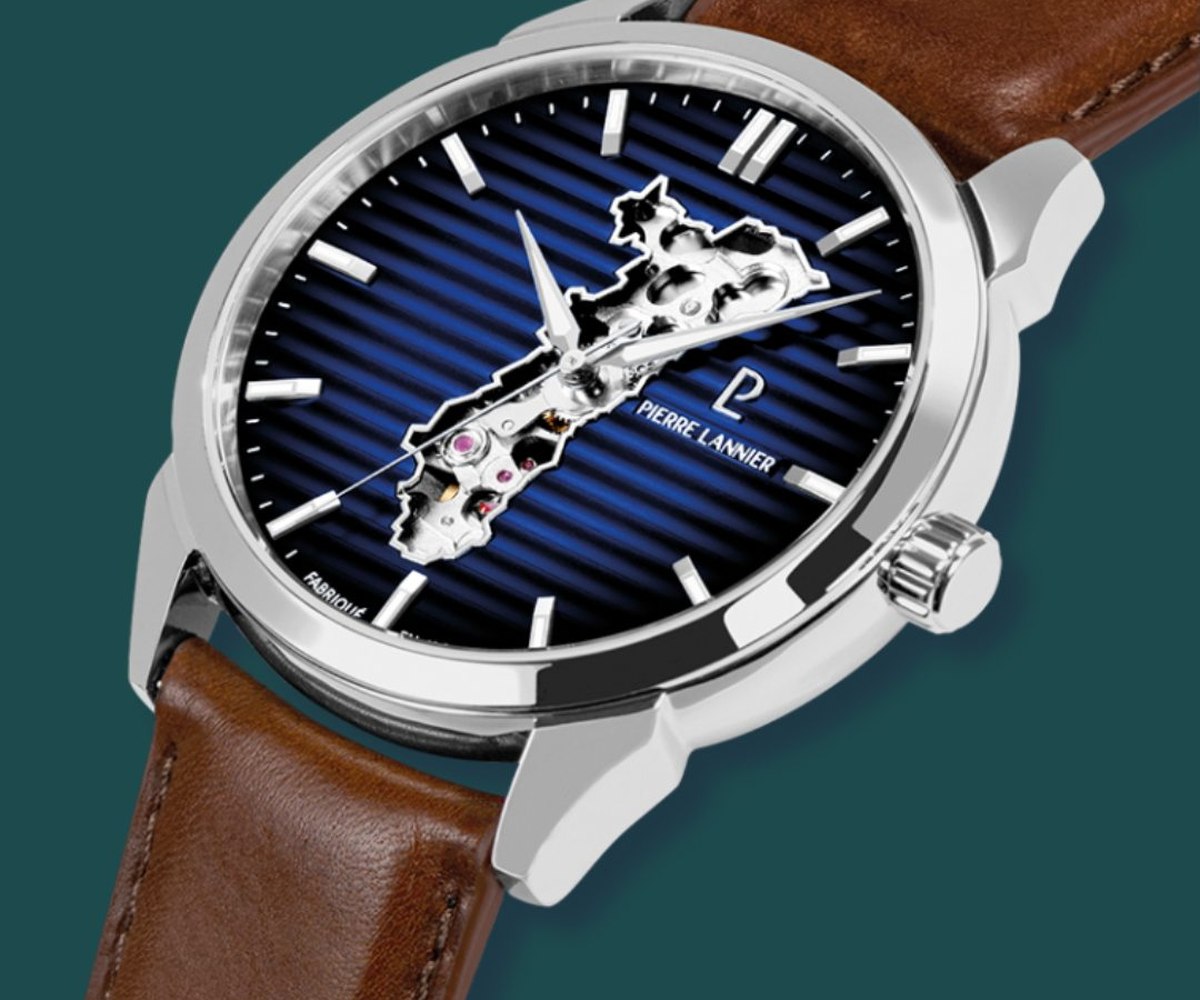
If this is your first mechanical watch, go for the Pierre Lannier Automatic at 198.89 euros. You’ll get a genuine French automatic watch that doesn’t require a battery, and within a few weeks you’ll know whether you really enjoy the act of winding it and watching the balance wheel in action. It’s the right way to test out an idea without spending six hundred euros.
If you already know you'll like it, go straight for the Charlie Paris Initial at 445 euros: Parisian design, 40 millimeters, and a look that's unmistakable.
And if you just want the look without the commitment, the Performer, at 34.90 euros, does the job very well—as long as you're aware that it has an open dial and isn't a skeleton watch.
The entire selection is on the " Men's Skeleton Watches" page, and automatic watches in general are on the " Men's Watches" page.