

In summary: Club de la Montre is a French watch retailer that has sold more than 3,000 watches since 1968. The “30 meters” rating does not mean the watch is water-resistant to 30 meters: it refers to laboratory pressure, not depth. You need 100 meters of water resistance to swim with confidence. Of the 1,410 watches in our catalog with documented water resistance, 316 are rated to 30 meters and should not be submerged, while 520 are rated to 100 meters. Our top picks: the ICE Sunset Rainbow for 99 euros and the Casio AE-1000W for 39.90 euros.
It's the most common scenario in August. A new watch, a first swim, and the next day, fog under the glass. The person is convinced they did everything right: their watch is rated for 30 meters, and they never went deeper than one meter fifty. Yet they have made the most common mistake in consumer watchmaking.
Here's what these numbers really mean, what our catalog says, and eight certified watches available for order on August 24, 2026, ranging from 39.90 to 220 euros, that you can actually wear while swimming.
Why 30 meters Doesn't Mean 30 Meters
The water resistance rating engraved on the back of a watch is the result of a laboratory test standardized by ISO 22810. The watch is subjected to static pressure equivalent to a 30-meter column of water for a short period of time in still water at a constant temperature. None of this resembles a swimming pool.
In real life, water moves. A simple arm stroke while swimming multiplies the pressure exerted on the seals far beyond the tested value. A dive off a diving board, a shower spray, a crashing wave—each of these actions instantly exceeds the 3 bar rating of a watch labeled “30 meters.” Add to that the fact that seals age, heat causes them to expand, and salt corrodes them, and you’ve got the full picture.

A watch placed on a hot towel and then submerged in water: that's the sequence that causes the condensation.
Key Points to Remember
| Marking | What You Can Do | What's killing her |
|---|---|---|
| 30 m (3 ATM) | Rain, hand-washing, splashes | The shower, the pool, the ocean |
| 50 m (5 ATM) | A lukewarm shower, occasional, leisurely swims | Diving, competitive swimming, and the sea, again and again |
| 100 m (10 ATM) | Swimming, snorkeling, water sports | Scuba diving, the sauna, hot water |
| 200 m (20 ATM) | Recreational diving, freediving—all summer long without a care in the world | Nothing—or almost nothing—as long as the crown is screwed on |
The rule can be summed up in one sentence: below 100 meters, you don’t swim. At 50 meters, you can take a leisurely swim, but it doesn’t forgive diving or repeated dives.
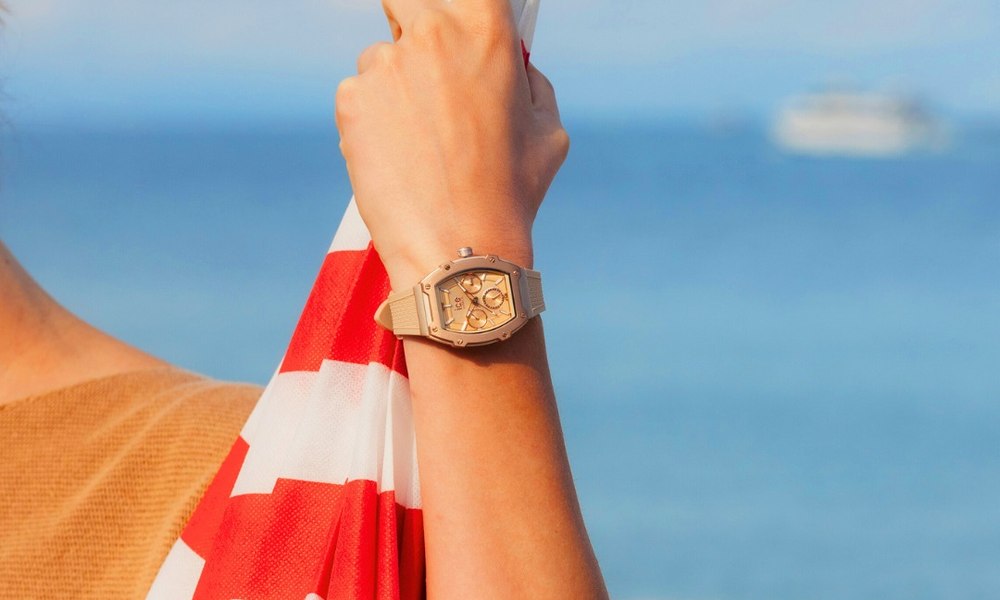
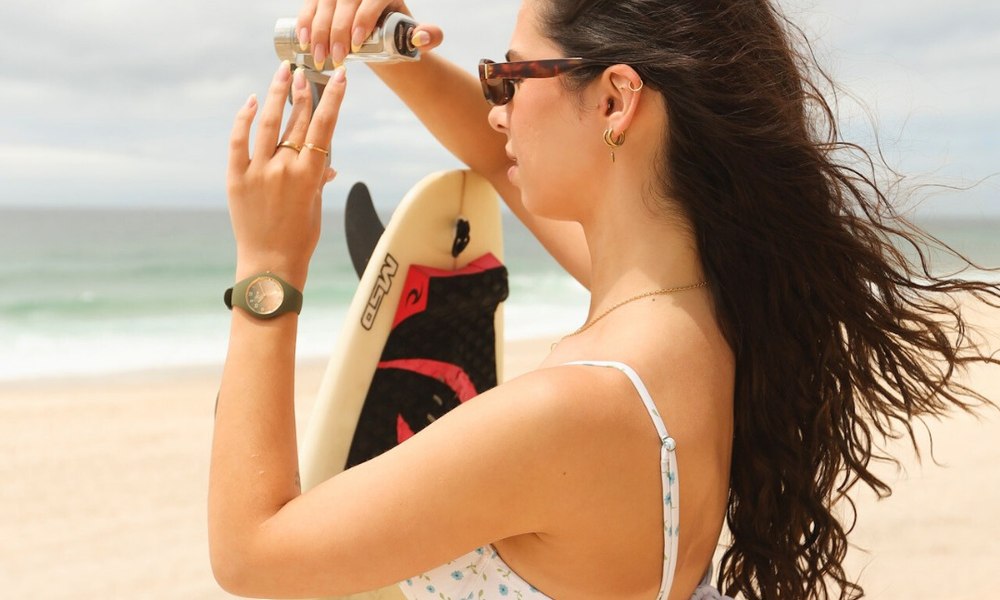
A beach umbrella, a watch, the sea in the background: the test that the ISO standard doesn't cover.
What Our Catalog Says
We document the maximum water resistance of each model. Of the 1,410 active watches for which a value is listed as of August 24, 2026, the breakdown is revealing:
| Waterproofing | Number of models | Part |
|---|---|---|
| 200 m and more | 64 | 4,5 % |
| 100 m | 520 | 36,9 % |
| 50 m | 411 | 29,1 % |
| 30 m | 316 | 22,4 % |
| Less than 30 m, not waterproof, or IP rating | 100 | 7,1 % |
In other words, more than one in five watches in our catalog should not be exposed to water, and another quarter can only withstand careful swimming. This is exactly the proportion that explains the accidents in August. The water-resistant watch section filters directly by this criterion, with options for both women and men.

A watch rated to 100 meters can be slipped into a beach bag without a second thought.
Four Watches for the Beach and the Pool (Women's Collection)
All of them are water-resistant to 100 meters, and all are in stock. Silicone and steel hold up just fine through the summer, unlike leather, which stiffens and stains at the first contact with saltwater.

Silicone and steel last through the summer. Leather, on the other hand, doesn't survive its first dip in saltwater.
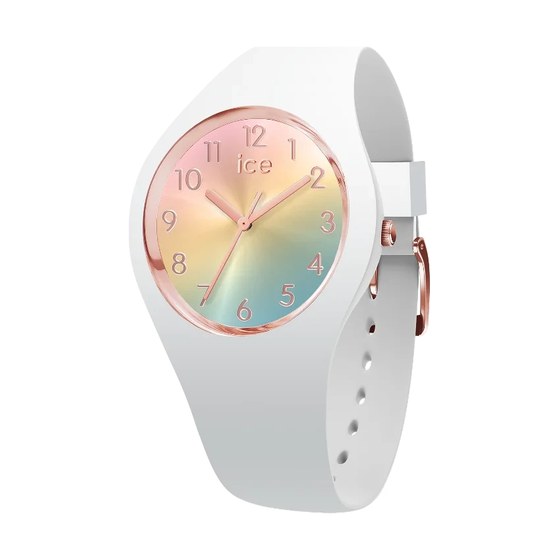
Ice-Watch
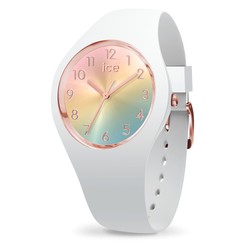
ICE Sunset - Rainbow
Water-resistant to 100 m, 34 mm
The rainbow gradient on white silicone: the bold summer watch.
99 €
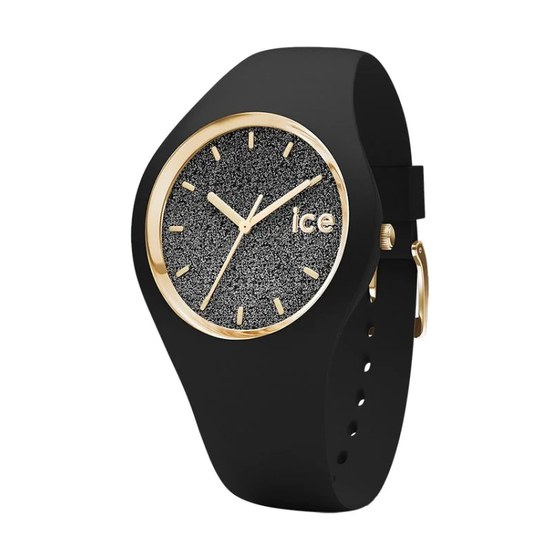
Ice-Watch
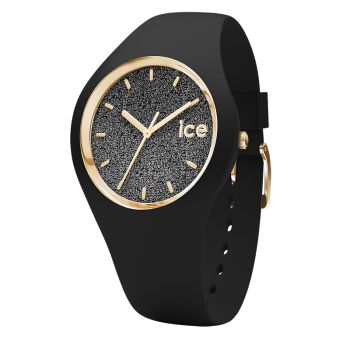
Ice Glitter - Women's - Black and Gold Glitter
Water-resistant to 100 m, 34 mm
A glittery dial and a silicone strap that emerges from the sea unscathed.
99 €
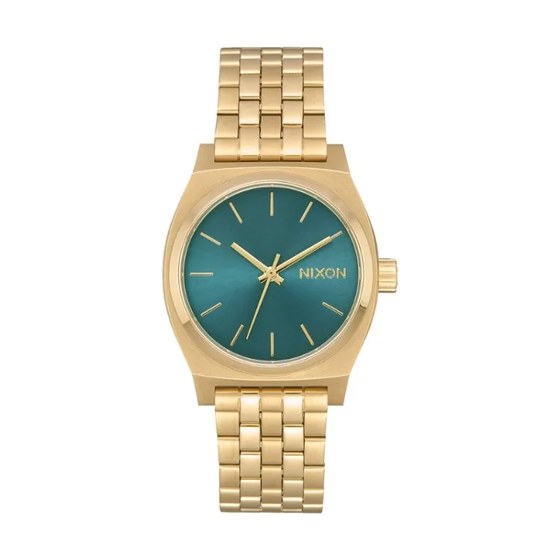
Nixon
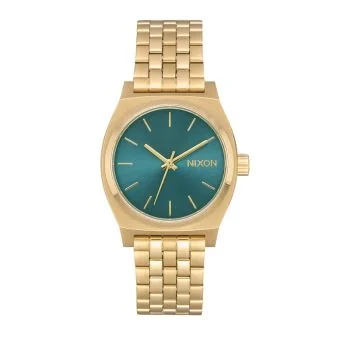
Medium Time Teller - Light Gold / Turquoise
Water-resistant to 100 m, 31 mm
With its deep green dial and gold-tone steel, it transitions seamlessly from the beach to dinner.
140 €
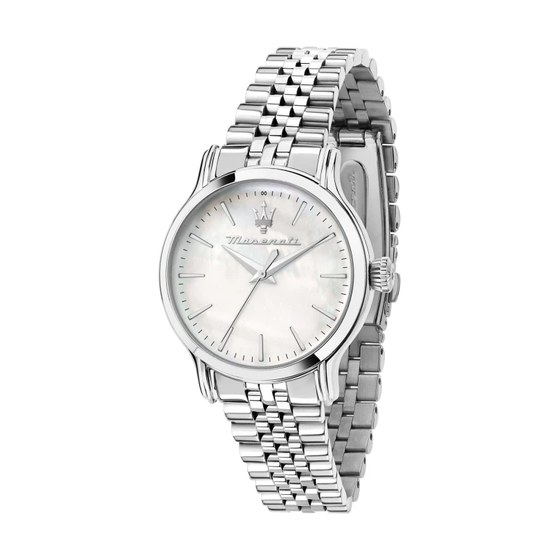
Maserati
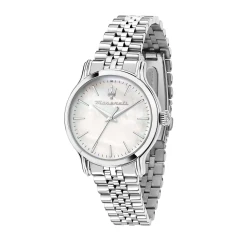
Epoca Lady 3H - Silver
Water-resistant to 100 m, 34 mm
Mother-of-pearl dial and stainless steel bracelet, for those who don't want silicone.
220 €
Snorkeling and surfing require a depth rating of 100 meters. Below that, the watch doesn't handle water impacts well.
Four Watches for the Sea: Men's Collection
Two of them reach 200 meters, which makes them impervious to whatever the summer might throw at them. The other two are 100 meters deep—more than enough for swimming.
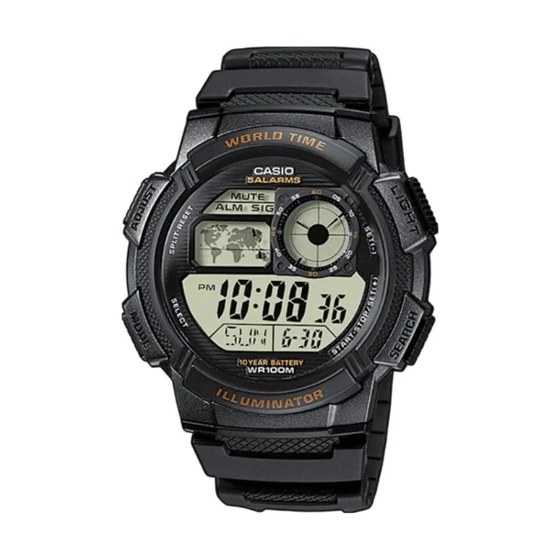
Casio
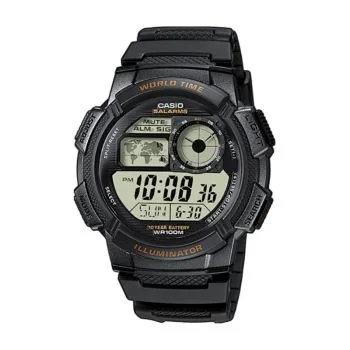
AE-1000W-1AVEF 10-Year Battery-Powered Digital Quartz Watch - Black Resin
Water-resistant to 100 m, 48 mm
Ten years of battery life, five time zones, and a price that makes it an easy choice.
39,90 €
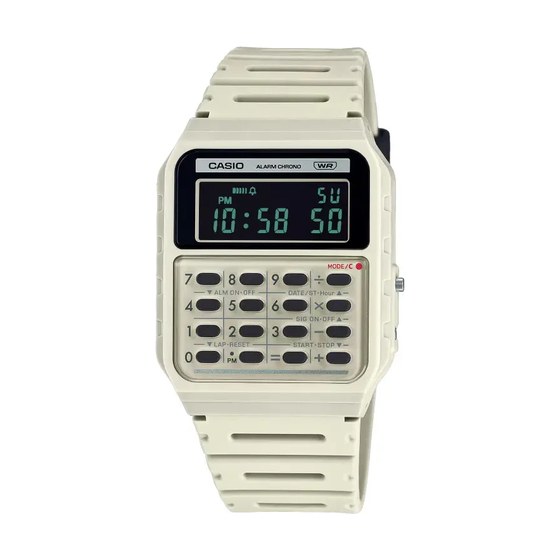
Casio
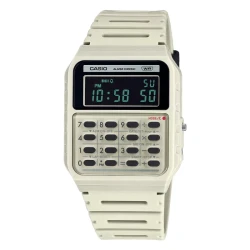
Vintage Heritage Colors Retro Calculator, Ivory Beige | CA-53WB-8BEF
Water-resistant to 200 m, 43 mm
A cream-colored wrist calculator with "200 meters" on the back. Rare.
59,90 €
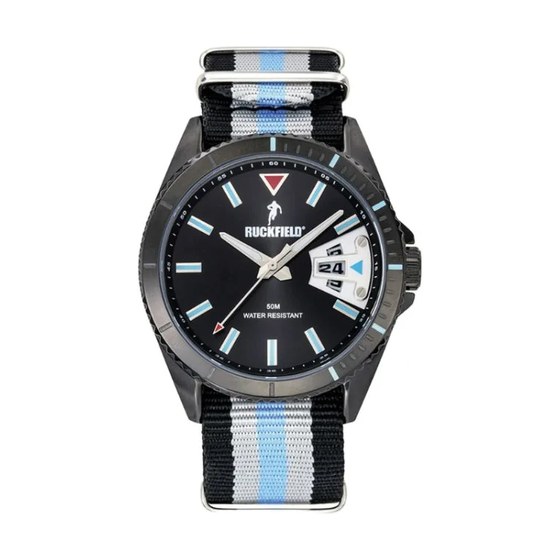
Ruckfield
Rugby - Dateur - NATO Blue, White, and Black
Water-resistant to 100 m, 42 mm
Blue and white NATO strap: It dries in two minutes in the sun.
59 €
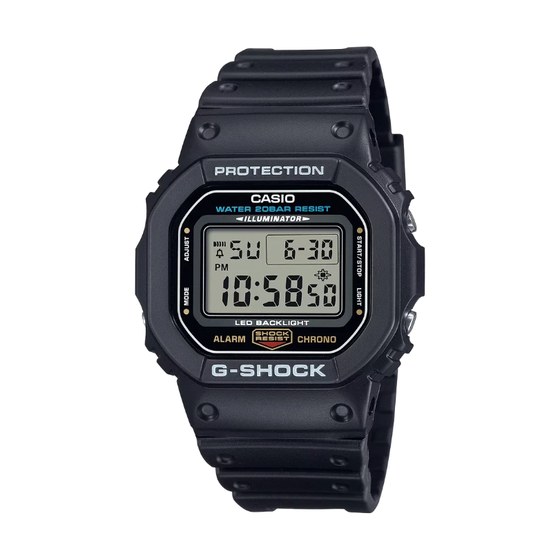
Casio
G-Shock - 5600 Series - Digital - DW-5600UE-1ER
Water-resistant to 200 m, 42 mm
The original square G-Shock: nothing can damage it—not water, not sand.
99,90 €
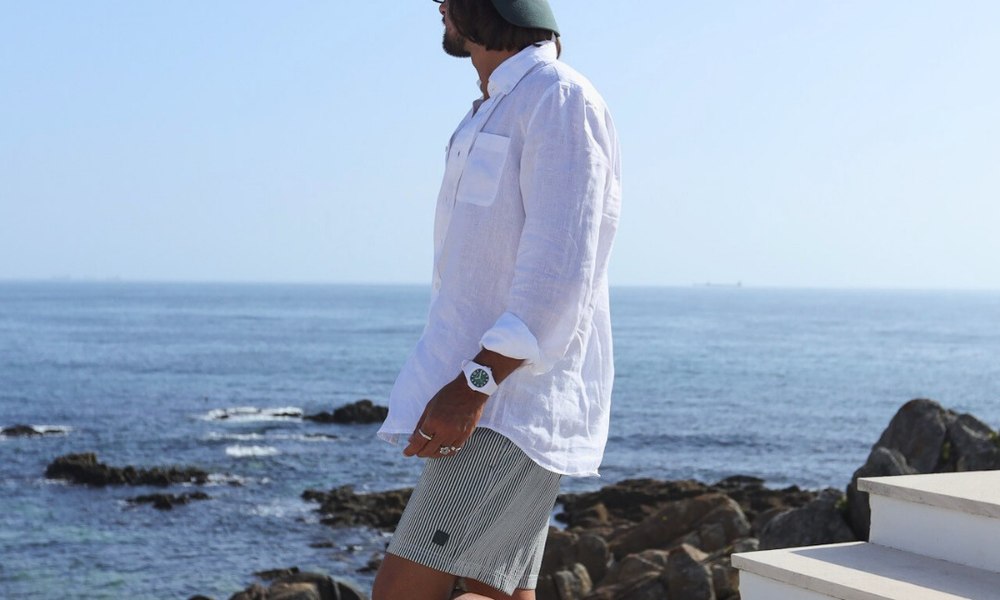
A watch rated to 200 meters can be worn all summer long without ever giving it a second thought.
The Four Enemies of a Watch in the Summer
Thermal shock. It’s the number one killer, and nobody talks about it. A watch that has been heating up in the sun on a towel and is suddenly plunged into water undergoes a sudden contraction. The air inside contracts and draws moisture in through the gaskets. Fog under the crystal almost always comes from this, not from direct water infiltration.
The crown is still out. Pulling the crown out one notch to set the time compromises the watch’s water resistance, regardless of the markings. On a watch with a screw-down crown, the same oversight produces the same result. The rule of thumb: always check before entering the water.
Sunscreen. UV filters damage silicone and rubber straps, making them sticky and then brittle. They also seep between the case and the strap, where they form a whitish residue that is difficult to remove. Apply the sunscreen first, then put on the watch.
Salt that dries. As seawater evaporates, it leaves crystals in every nook and cranny, around the crown, and in the links. These crystals cause scratches and jam the chain. Rinsing with fresh water after each swim is enough to prevent this, and it takes ten seconds.
Detailed information on cleaning and maintenance after a day at the beach can be found in our guide to salt, sand, and sunscreen, and guidance on choosing a watch for boating is available in our guide to “Which Watch to Wear at Sea.” For serious divers, a detailed selection is available in our guide to diving watches.
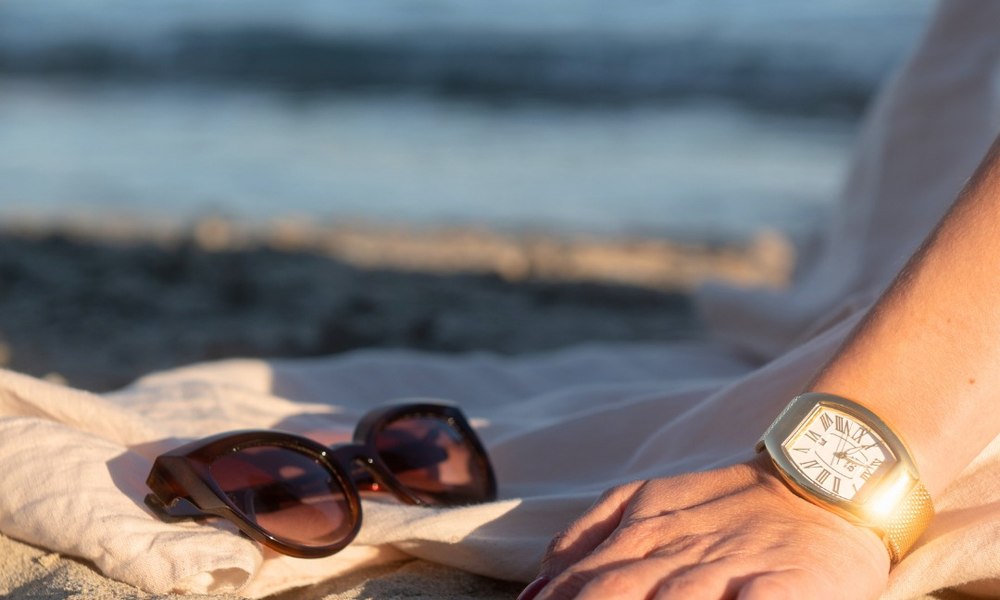
Salt that dries inside the links causes more damage than submersion. Rinsing with fresh water is enough.

Thirty minutes in the sun, then a dip in the water. In between, the watch entered a whole new world.
Frequently Asked Questions
Can you swim with a watch rated for 30 meters?
No. The "30 meters" rating refers to laboratory pressure, not depth. It covers rain and hand washing—nothing more. A quick dip or a few strokes are enough for water to get in. You need 100 meters to swim without worrying about it.
Can you shower while wearing a 50-meter watch?
A brief, lukewarm shower—yes. A hot shower—no: the steam causes the joints to expand, and soapy water corrodes them. Soap is actually more harmful than water itself, because it reduces surface tension and makes it easier for water to seep in.
What does "ATM" mean on a watch?
One atmosphere is equivalent to a 10-meter water column. A 5 ATM watch is therefore labeled as 50 meters, and a 10 ATM watch as 100 meters. Both notations mean exactly the same thing and are interpreted in the same way.
What type of waterproofing should be used for the pool?
100 meters, no question. The pool is a combination of dives, rapid arm movements, and chlorine, which wears down the seals over time. A 50-meter watch survives one summer there, but rarely three.
Why does condensation form on the inside of the glass?
This is almost always caused by thermal shock: the watch heats up in the sun and is then submerged in cold water, causing the air inside to contract and draw in moisture. You must have the watch opened and dried quickly, before the moisture reaches the movement.
Does the waterproofing deteriorate over time?
Yes. The gaskets are made of rubber and deteriorate over time, especially when exposed to salt, UV rays, and temperature fluctuations. For a watch worn in the water every summer, it’s a good idea to have it checked every two or three years.
Which water-resistant watch should a woman choose?
A 30- to 35-mm case marked "100 meters," available in silicone for the beach or in steel for general use. Avoid leather: it stiffens, stains, and eventually starts to smell after the first time it's submerged in saltwater.
Is a smartwatch water-resistant?
The IP67 and IP68 ratings do not equate to watch water resistance: they test immersion in still fresh water, not dynamic pressure or saltwater. Most smartwatches can withstand a shower, but few can withstand prolonged exposure to seawater.
There are still a few weeks left. Let's hope the clock keeps ticking.
One last thing. A water-resistant watch isn’t a watch that can withstand anything—it’s a watch whose limits you know. Check the back of the case, remember the number, and rinse it with fresh water when you get out of the water. These three steps prevent almost all of the repairs we see coming in during September.