
The Essentials in Five Lines
For a teenager, two criteria are decisive—and price isn't one of them. The diameter must be between 33 and 41 mm, andthe watch must bewater-resistant to 100 meters. Of the 172 watches in our catalog that fit this description, 140 cost less than 100 euros, but only 33 are water-resistant to 100 meters. That’s one in five. That’s what makes the difference between a watch worn for three years and one forgotten in a drawer after two months.
Giving a teenager a watch seems like a good idea—until it comes time to choose one. The store shelves are filled with a mix of children’s models with colorful numerals and 44-mm adult watches; prices range from 20 to 300 euros with no apparent logic, and there’s no way to tell which one will survive a year of middle school.
The answer comes down to two factors, both of which are listed on each product page. Here's how to interpret the first one correctly—and why most watches marketed for this age group fall short on the second.

At this age, you wear your watch all the time. That's exactly why it needs to be water-resistant.
The one factor that decides everything: 100 meters
A teenager doesn't take off his watch. He showers with it, wears it at the pool, sweats in it while playing sports, and forgets it's even there. A watch that isn't water-resistant eventually absorbs moisture, the face becomes foggy, and it ends up in a drawer. It's not a question of quality; it's a question of standards.
Thirty meters doesn't mean thirty meters. It's a laboratory measurement, based on static pressure with no movement. An arm entering the water increases the instantaneous pressure far beyond that. In practice, 30 meters covers rain and handwashing—nothing more. Fifty meters allows for a shower. It takes 100 meters to swim without thinking about it, and that’s exactly what a teenager would do.
A statistic that should give you pause: of the 172 watches in our catalog that are suitable for a teenager—that is, with a case size of 33 to 41 mm, priced between 25 and 130 euros, and currently in stock— only 33 are water-resistant to 100 meters. That’s less than one in five. The rest are designed for a wrist that stays dry—which isn’t a teenager’s wrist.
One hundred meters is the distance at which you start swimming without even thinking about it. Thirty meters isn't even enough to get to the shower.
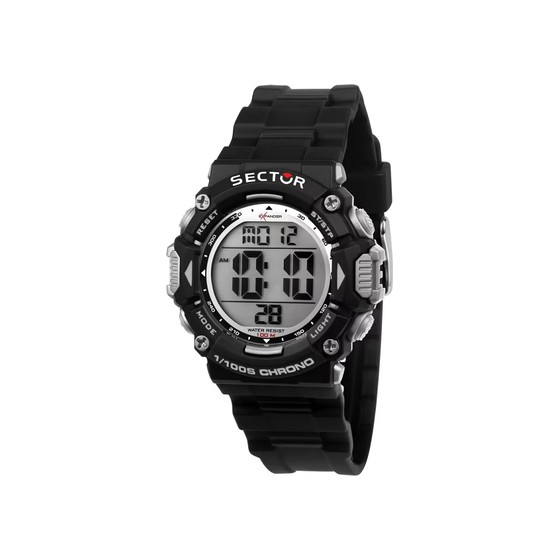
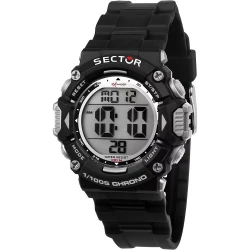
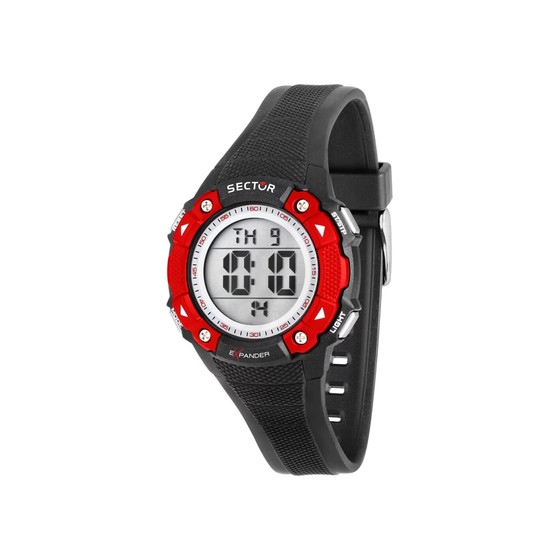
Sector
Ex-32 Digital
Resin, 100 m, 40 mm
It's the entry point for the catalog, and it already meets both criteria.
32 €
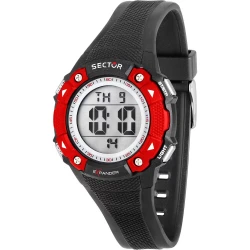
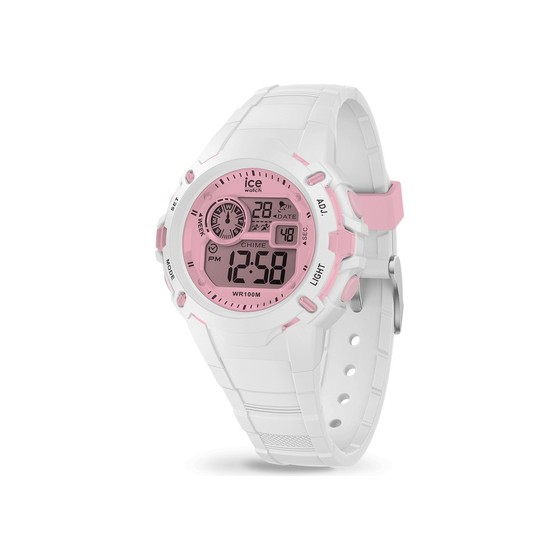
Sector
Ex-49 Digital Black
Resin, 100 m, 37 mm
A more compact size, for a wrist that's still growing.
49 €
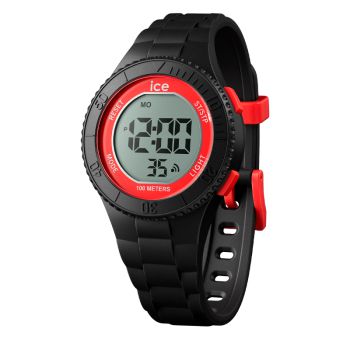
Ice-Watch
ICE Digit Explorer
Polyamide, 100 m, 41 mm
The upper limit of the range, for a tall teenager.
49 €
The Second Pitfall: Diameter
This is the most common mistake, and it stems from good intentions. You want to give a real watch, not a children’s model, so you pick one from the adult section. Except that a 44-mm case on a 15-year-old’s wrist sticks out on all sides and slips off as soon as the arm moves.
The ideal range is between 33 and 41 mm. Anything smaller makes the watch look childish. Anything larger, it looks out of place. In our catalog, 764 watches fall within this range, and 503 exceed it: one in three watches is too large for its intended use, yet there’s nothing on the shelf to indicate this.
The reliable guide isn't age but wrist circumference. Starting at about 16 cm, a 38- to 40-mm case fits well. For smaller wrists, aim for 33 to 36 mm. Our guide to watch sizes explains how to take the measurement, which is done with a tailor's tape measure or a simple strip of paper.
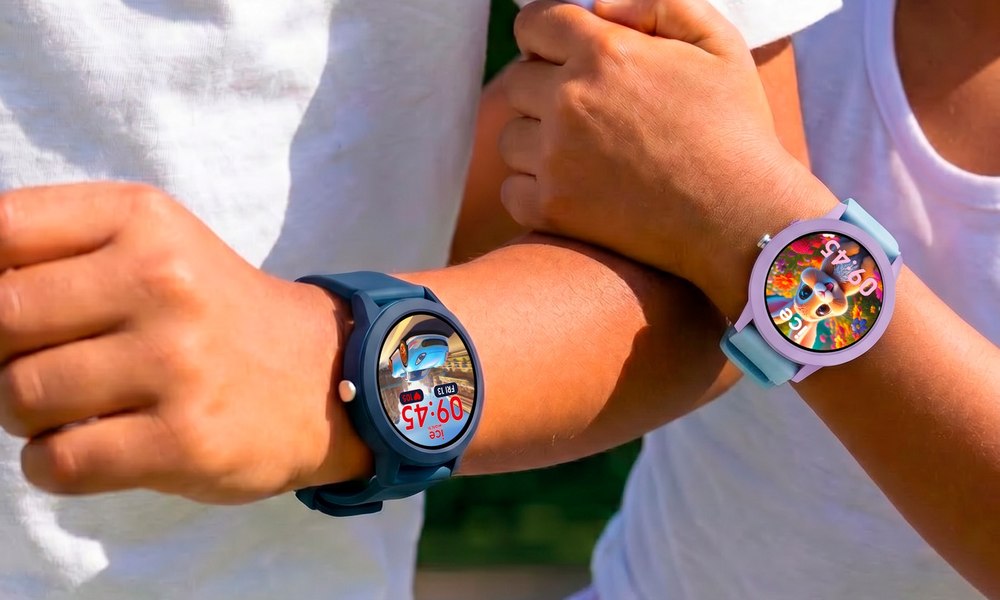
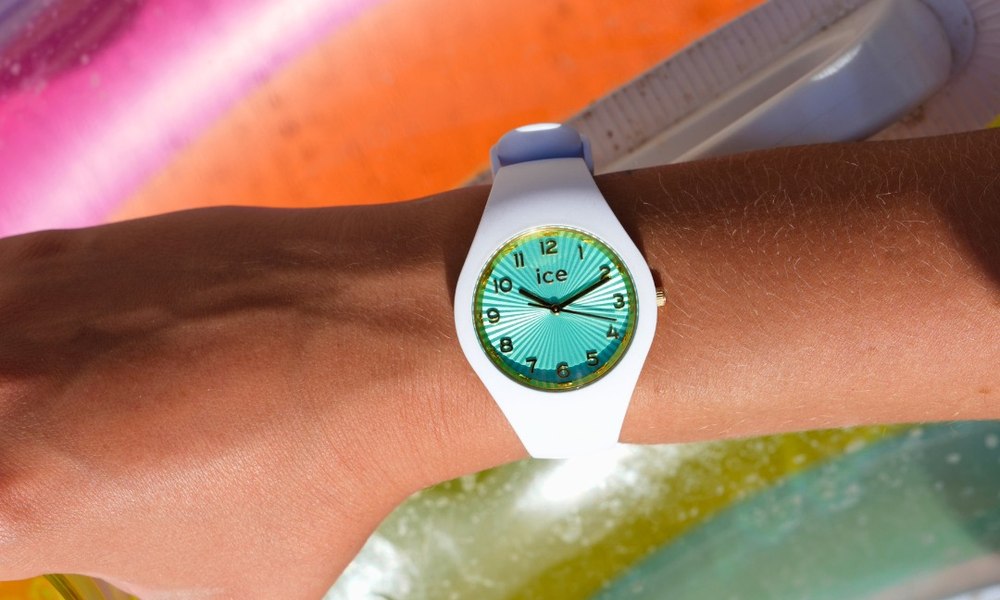
Two wrist sizes, two sizes. You can tell right away which diameter is right for you once you put the watch on your wrist.
Digital or analog?
The issue divides parents more than it does teenagers. Both approaches have their merits, and for different reasons.
Digital Technology: For Sports and Value
Stopwatch, alarm, date, and easy-to-read display even while running. A digital watch water-resistant to 100 meters costs around 30 to 50 euros, making it the best value for money on the market. It’s also the most durable style, because the resin case absorbs the impact that a steel case would transmit to the movement. On this topic, our digital watch guide explains why this style is actually the rarest in the catalog.
The hands, for the rest of the time
A dial with hands works anywhere, from math class to a family dinner. It’s also the type of watch that teaches you to tell the time at a glance rather than having to decipher numbers. Expect to pay 90 to 130 euros for a model that’s water-resistant to 100 meters with a decent case.
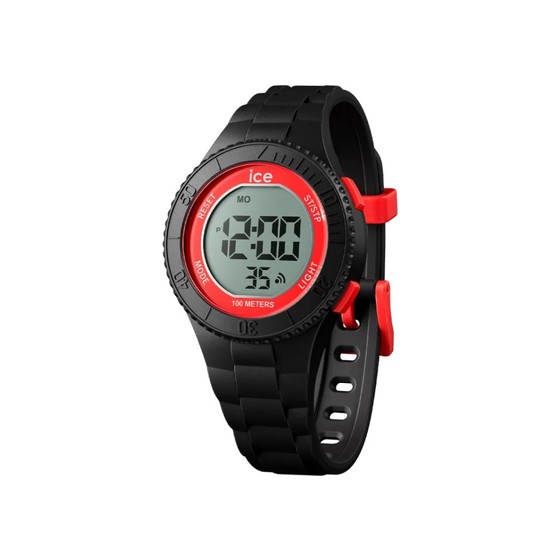
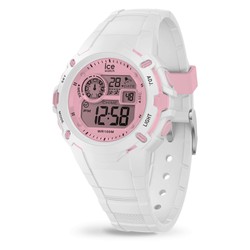
Ice-Watch
Ice Digit
Silicone, 100 m, 35 mm
Compact digital watch—the best choice for a slender wrist.
59 €
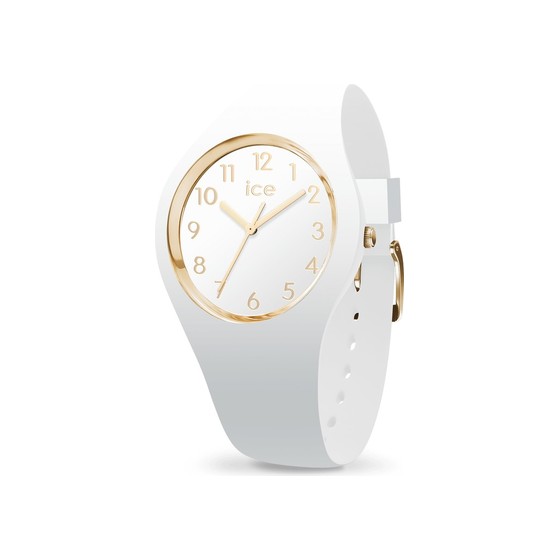
Ice-Watch
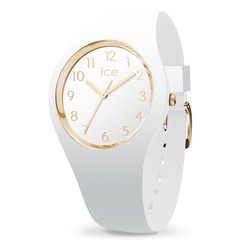
Ice Glam White Gold
Silicone, 100 m, 34 mm
An analog dial, 34 mm in size, with the water resistance to match.
89 €
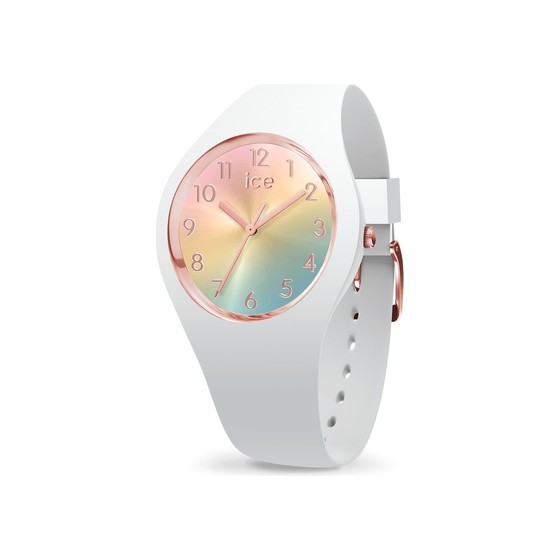
Ice-Watch
ICE Sunset Rainbow
Silicone, 100 m, 34 mm
A multicolored gradient on a perfectly waterproof base.
99 €
Resin or Steel: What Really Makes a Difference
The resin case is lighter, more shock-resistant, and less expensive. The steel case is more elegant and ages better, but weighs about three times as much and transmits shocks to the movement.
For everyday and athletic use, resin is the clear winner. For a teenager who wants a watch that stands out, stainless steel is a good choice as long as the case diameter remains reasonable. Both options are available for under 130 euros, which makes the choice purely a matter of aesthetics.
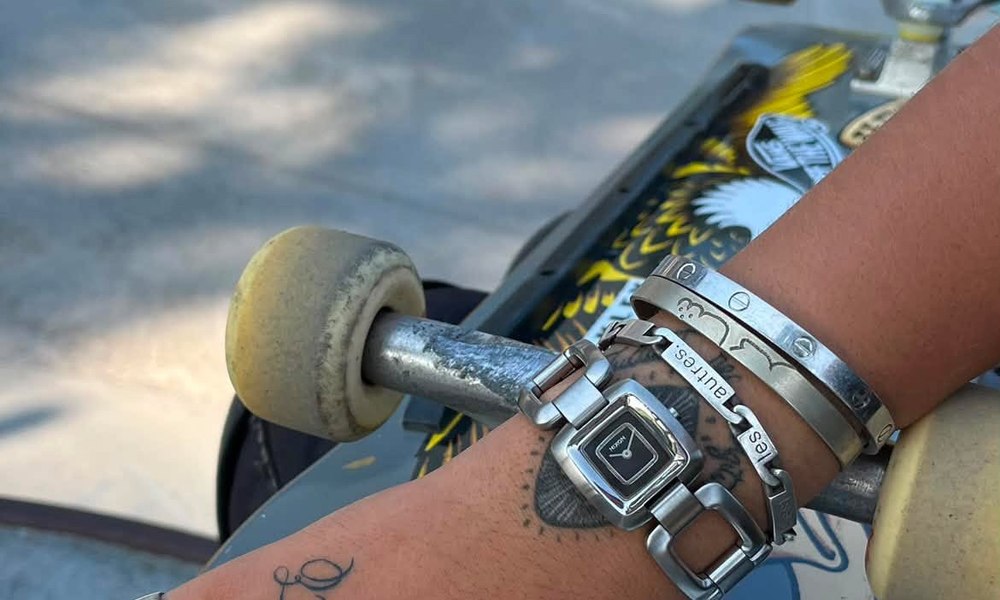
Skateboarding, sports, college: The resin case absorbs the impact that a steel case would transfer to the movement.
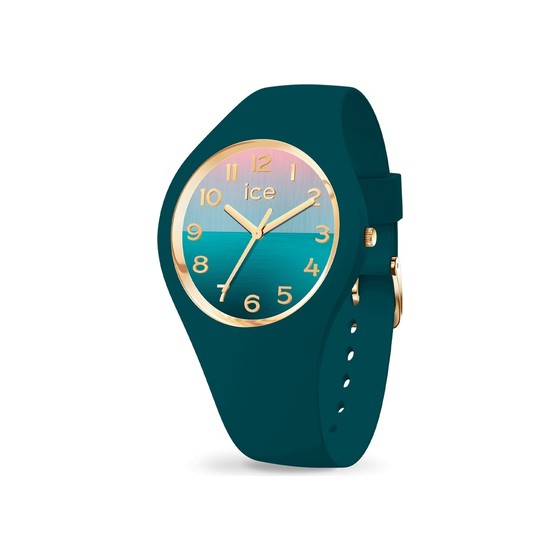
Ice-Watch
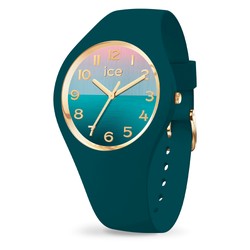
Ice Horizon Verdigris
Silicone, 100 m, 40 mm
Hands, 40 mm, for a teenager who wants an adult watch.
99 €
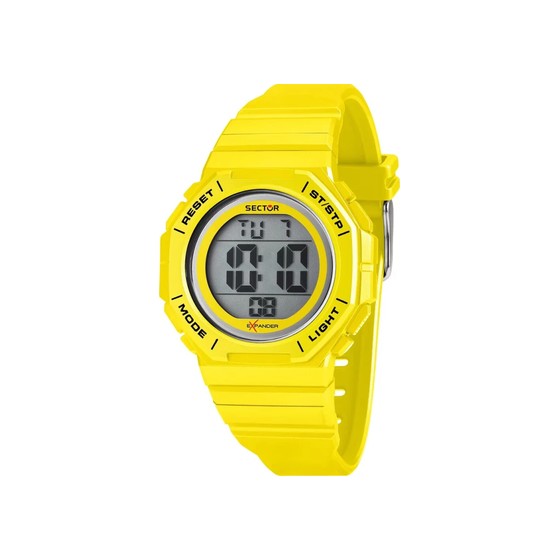
Sector
Ex-50 Digital Yellow
Resin, 100 m, 40 mm
Vibrant colors, a stopwatch, and a backlight: a design that stands out and holds up to the test.
49 €
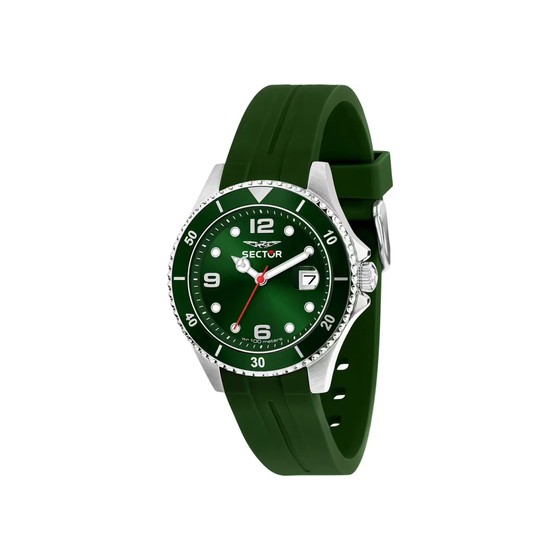
Sector
230 Steel
Steel, 100 m, 39 mm
The steel case, which is more elegant, without exceeding the ideal diameter.
119 €
What about the smartwatch?
That's the question everyone asks, and the honest answer isn't what you'd expect from a watch salesperson. A smartwatch isn't a watch—it's just another screen.
It needs to be recharged every two or three days, it becomes outdated with each software update, and it often costs twice as much as a well-chosen traditional watch. If the teenager already has a cell phone, it duplicates what he already has in his pocket.
The classic watch meets another, simpler need: telling the time without having to pull up the screen—and thus without getting distracted by a notification. Many parents buy a watch for exactly this reason, and that’s a stronger selling point than fashion.
Or search the website
Three sections cover this need. The teen selection features models designed for this age group. The boys’ watches and the waterproof section expand the selection, with the latter being the most useful since that’s the criterion that matters most. For younger children, our guide to children’s watches covers the stage when they’re learning to tell time—which is a whole other story.
And if the teenager plays sports with a club, our guide to sports watches explains why an expensive watch is the wrong choice—for the same technical reasons outlined here.
Frequently Asked Questions
What size watch is best for a teenager?
Between 33 and 41 mm in diameter. This is the range that fits a teenager’s wrist without sticking out. Anything over 41 mm falls into the adult size category, and the watch will slip or look out of proportion. In our catalog, 764 watches fall within this range, and 503 exceed it: there’s a real risk of choosing the wrong one.
What level of waterproofing is really necessary?
At least 100 meters. That's the threshold at which you can swim without a second thought, and it's the only one that matters at this age. Thirty meters is a laboratory measurement of static pressure: it doesn't cover a swimming pool or even a long shower. Of the 172 watches in our catalog that are suitable for a teenager, only 33 meet this threshold.
How much should you budget for a watch for a teenager?
Between 30 and 100 euros in the vast majority of cases. In our selection, 140 out of 172 models cost less than 100 euros, and 66 cost less than 60 euros. Spending more doesn’t improve what matters at this price point: water resistance and shock resistance.
Digital or analog for a teenager?
Both have their merits, but not for the same reasons. The digital watch offers a stopwatch, an alarm, and instant readability—all for about thirty euros. Analog watches are versatile—they work in any situation, even when you need to look presentable. Many teens end up with both, which is still cheaper than a single smartwatch.
Is a smartwatch a good choice?
It’s a different kind of device, with different limitations. It needs to be charged every two or three days, it goes out of style with each new update, and it often costs twice as much. A classic watch for 50 euros will last five years without you having to think about it. If the teen already has a phone, the classic watch fulfills a different need: the ability to tell time without having to pull up the screen.
Will the watch hold up during sports and at school?
If it's made of resin with a silicone strap and is water-resistant to 100 meters, then yes. Those are the specifications for a sports watch, and it costs less than 60 euros. The steel case is more elegant but transmits more impact to the movement, and it weighs about three times as much.
At what age is an adult watch appropriate?
It's not a matter of age, but of wrist circumference. For wrist circumferences of about 16 cm or more, a 38- to 40-mm case fits well, and a teenager can wear a watch from the adult section. For smaller wrists, it's best to stick to a size between 33 and 36 mm.
What should I get a teenager who already has a watch?
A watch strap. Swapping out a silicone strap for a fabric NATO strap or a steel link bracelet completely transforms a watch; it costs between 20 and 40 euros and takes just two minutes to install. The only thing you need to check is the lug-to-lug width—that is, the distance between the lugs of the case.