Club de la Montre is a French retailer of brand-name watches, based in Toulouse. This article compares the five non-round case shapes in our catalog and explains which one to choose based on wrist size and intended use. Our recommendation for beginners: the rectangle—the easiest shape to wear and the most widely represented in our collection, with 105 models.
The Essentials in 30 Seconds
- Of the 715 watches in stock for which we have documented the case shape, 438 are round and 277 are not—that is, nearly four out of ten.
- These 277 watches come in five different shapes: 105 rectangular, 67 square, 40 tonneau, 37 oval, and 28 octagonal.
- A watch's shape is a more reliable indicator of its age than its dial. The square shape is reminiscent of the 1950s, the oval and barrel shapes of the 1970s, and the octagonal shape of the late 1970s.
- Some shapes are now exclusive to a single manufacturer: 34 of the 37 oval shapes in our catalog are Kelton.
- Our selection below includes all five styles, ranging in price from 95 to 600 euros.
The figure: 277 out of 715 cases are not round
On September 20, 2026, we counted the case shapes of all the watches in stock for which this characteristic is listed in our catalog. Of 715 models, 438 are round and 277 are not. Round cases are the most common, but not as overwhelmingly so as one might imagine when looking at a display case.
The breakdown of the 277 shapes is itself revealing: 105 rectangles, 67 squares, 40 barrels, 37 ovals, and 28 octagons. Two clarifications for the sake of accuracy before we go any further. This count applies only to the records where the shape is documented, and it changes with inventory: a rare shape may disappear from the catalog while it is being restocked.
Why does this number matter when you’re buying a watch? Because the shape of the case is the most reliable indicator of a watch’s era. A white dial with baton hour markers tells you nothing about the year it was made. An oval one does. The 1950s through the 1970s were the only period when the watch industry mass-produced cases other than round ones, and the brands that are reissuing models from their archives today have kept the molds from that era.
The bob, the signature style of the 1950s
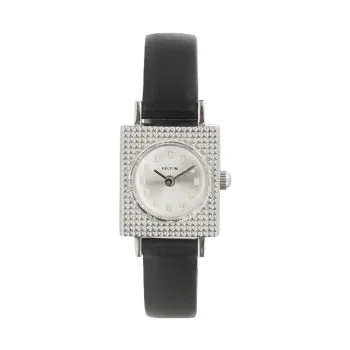
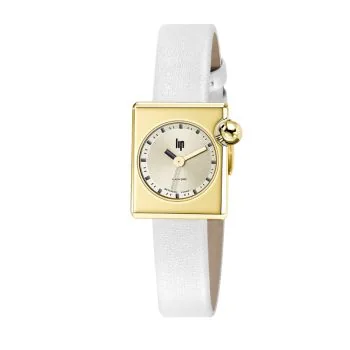
The square shape is characteristic of postwar ladies' watches—the kind worn as jewelry rather than as a timepiece. It is making a comeback as watchmakers reissue their own designs, and it remains the second most common non-round shape in our collection, with 67 models.
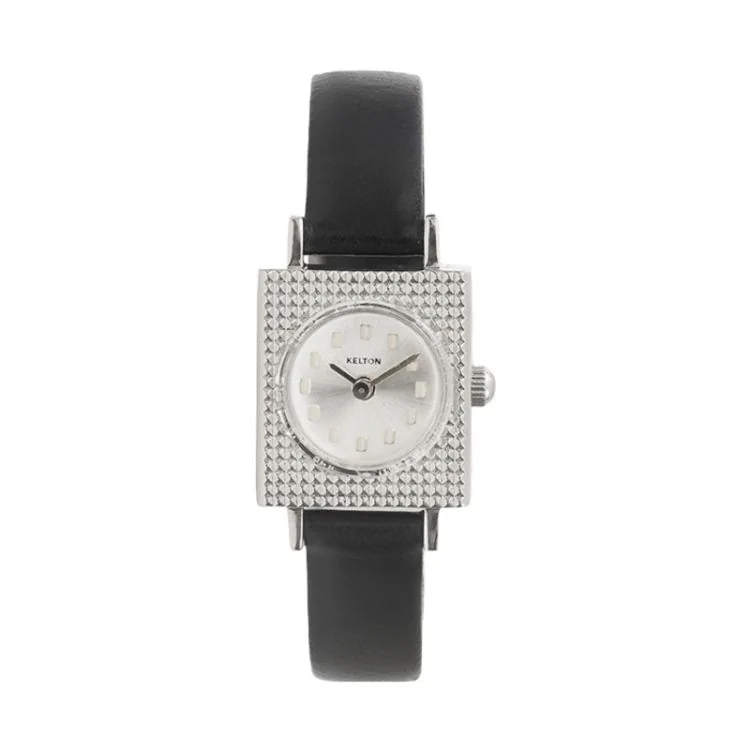
145 €
23 mm, bezel set with gemstones, black leather strap. The exact size of ladies' watches from 1955.
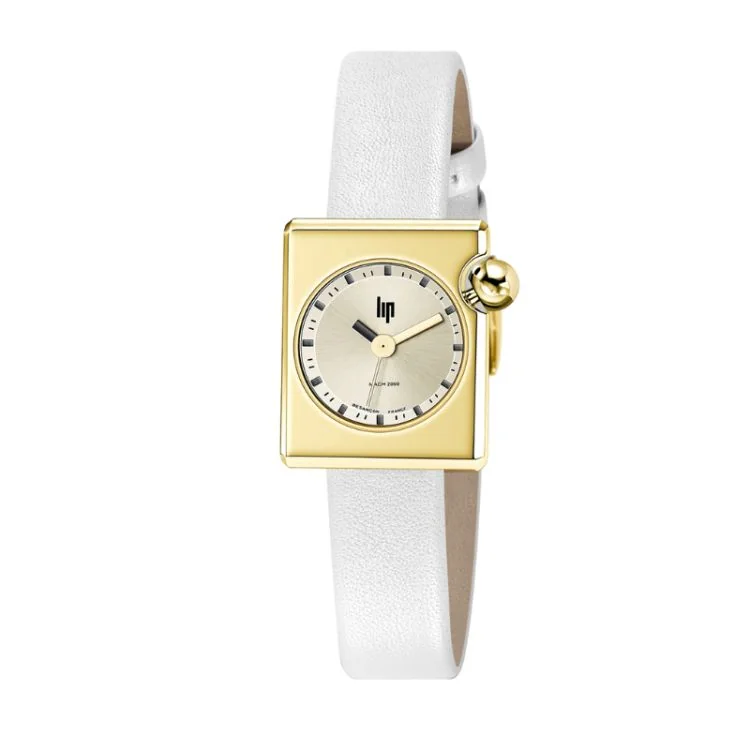
188,89 €
The square watch designed by Roger Tallon, the designer of the TGV, reissued in a 30 mm size.
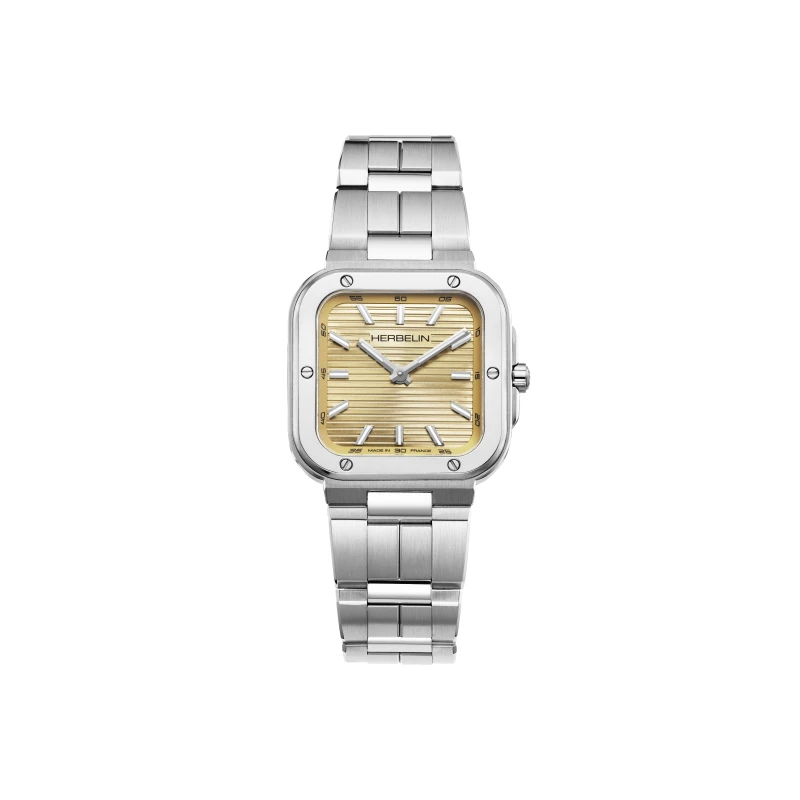
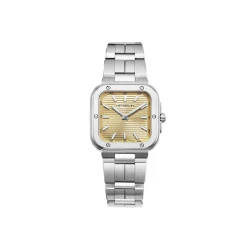
Michel Herbelin Cap Camarat Square
600 €
Square case with rounded corners, champagne-colored guilloché dial, stainless steel. A sophisticated timepiece.
Two brands account for the majority of the selection: Michel Herbelin has 40 models and Kelton has 18. This shape also spans the widest price range in the entire catalog, from 17 to 1,350 euros. A square watch fits easily on a slender wrist because it takes up less width than a round watch of the same diameter. If you’re unsure about the size, our guide to selecting the right diameter based on wrist circumference explains how to choose.
The Rectangle: The Art Deco Shape
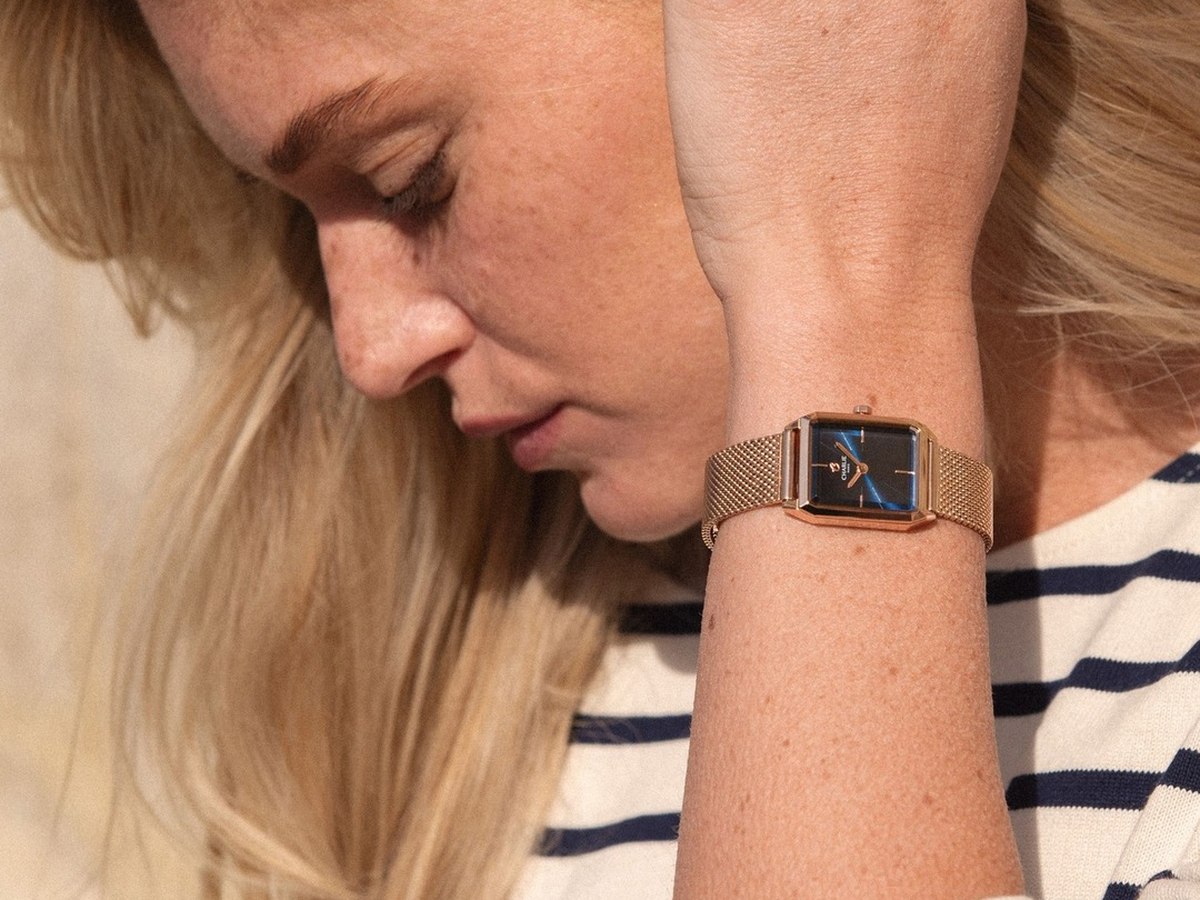
Taller than it is wide, the rectangle elongates the wrist rather than taking up space on it. It is the most formal shape in the catalog—the only one that truly fits under a shirt sleeve—and it is also the most widely represented of the five, with 105 styles.
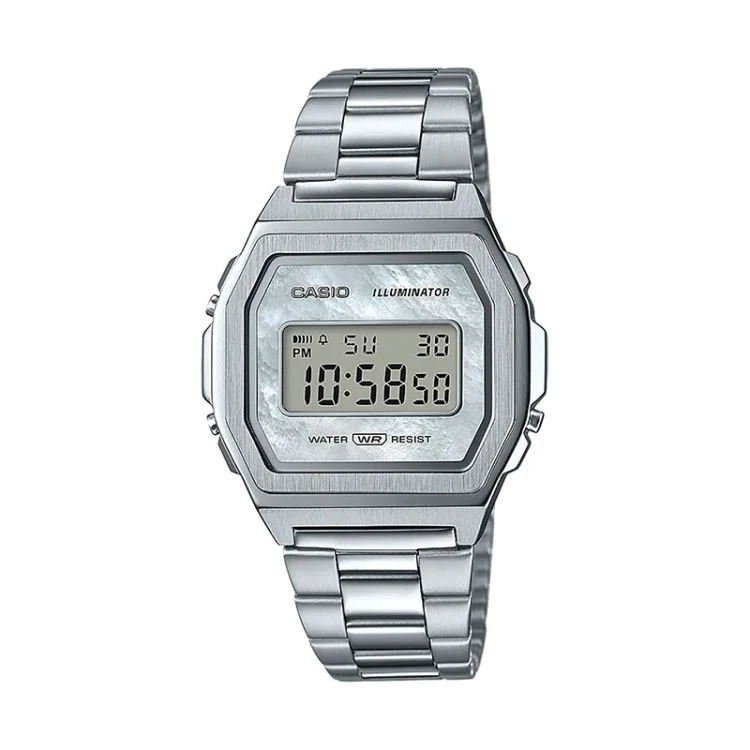
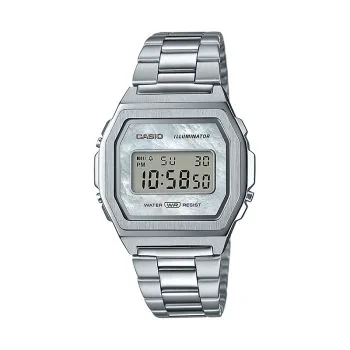
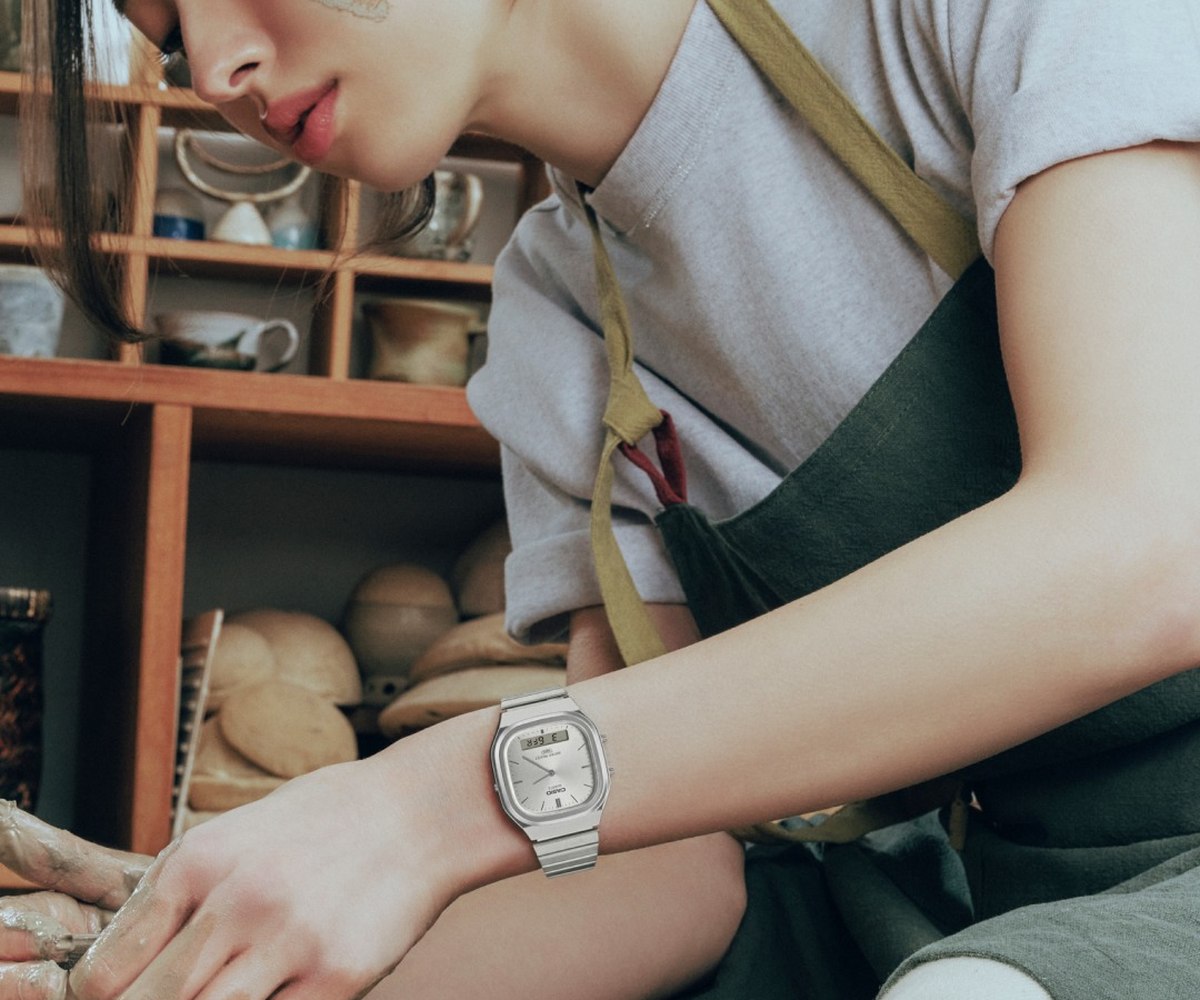
99,90 €
The 1980s "electronic rectangle," made of steel and priced at less than 100 euros.
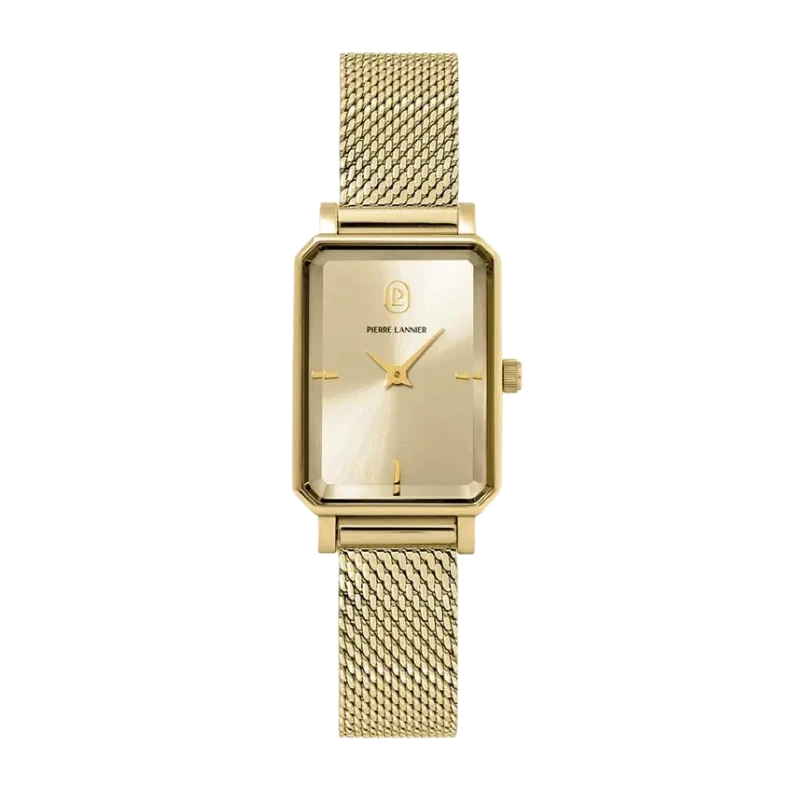
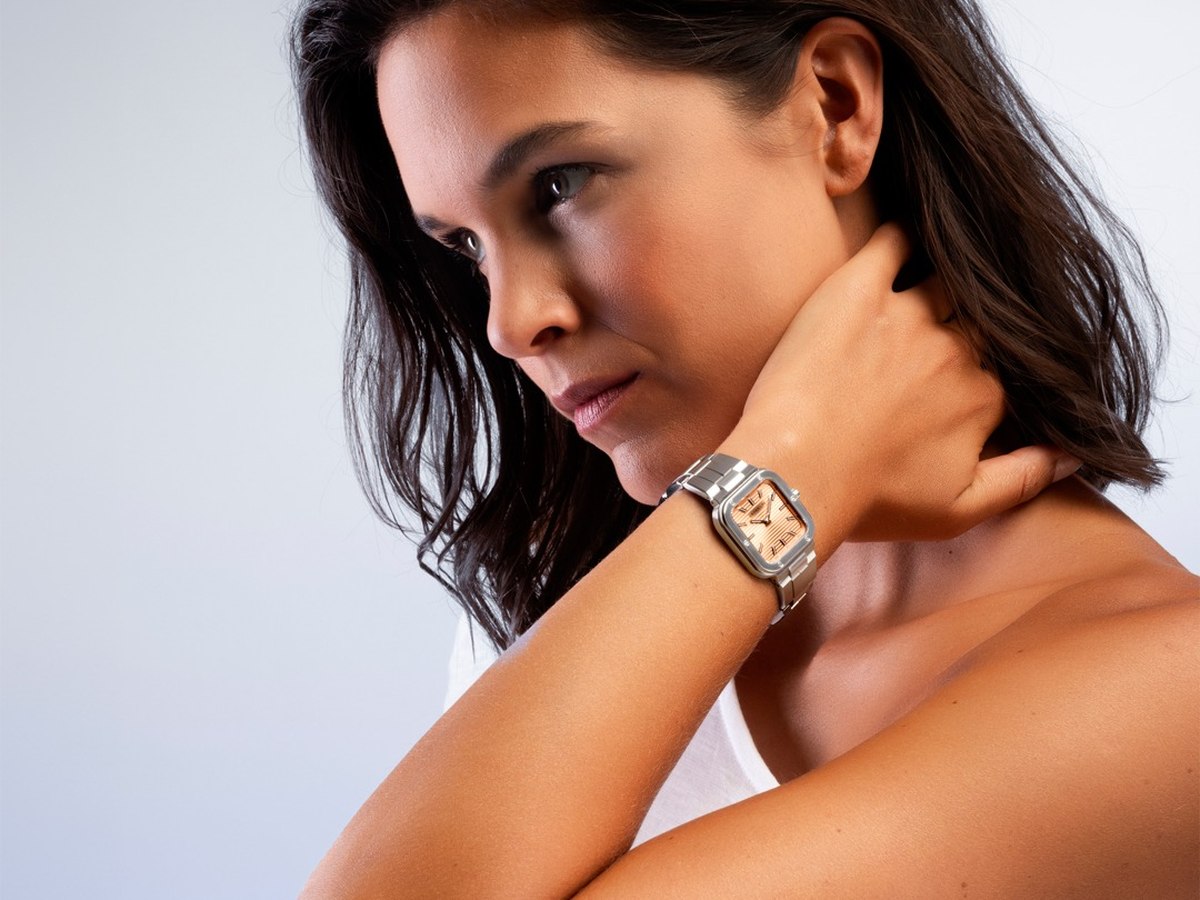
138,89 €
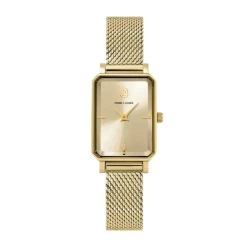
A vertical gold rectangle on leather. The shape that fits under a shirt sleeve.
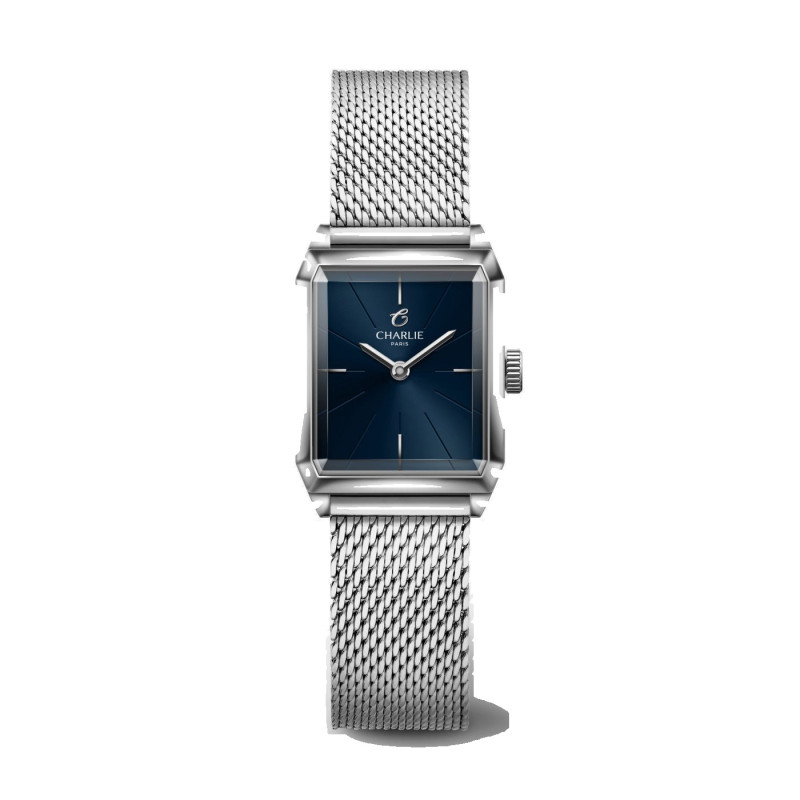
245 €
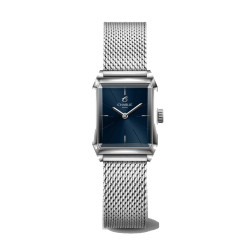
Rectangular case with beveled edges, blue sunburst dial, Milanese mesh bracelet. Assembled in Paris.
It traces its roots directly toArt Deco, a period when watchmaking followed architecture and furniture in embracing straight lines. Michel Herbelin created a collection bearing that name. Casio took it in a different direction, toward the electronic rectangular design of the 1980s, which can be found today for less than 100 euros. We’ve dedicated an entire guide to this style for men: the men’s rectangular watch.
The oval: the hallmark of the 1970s
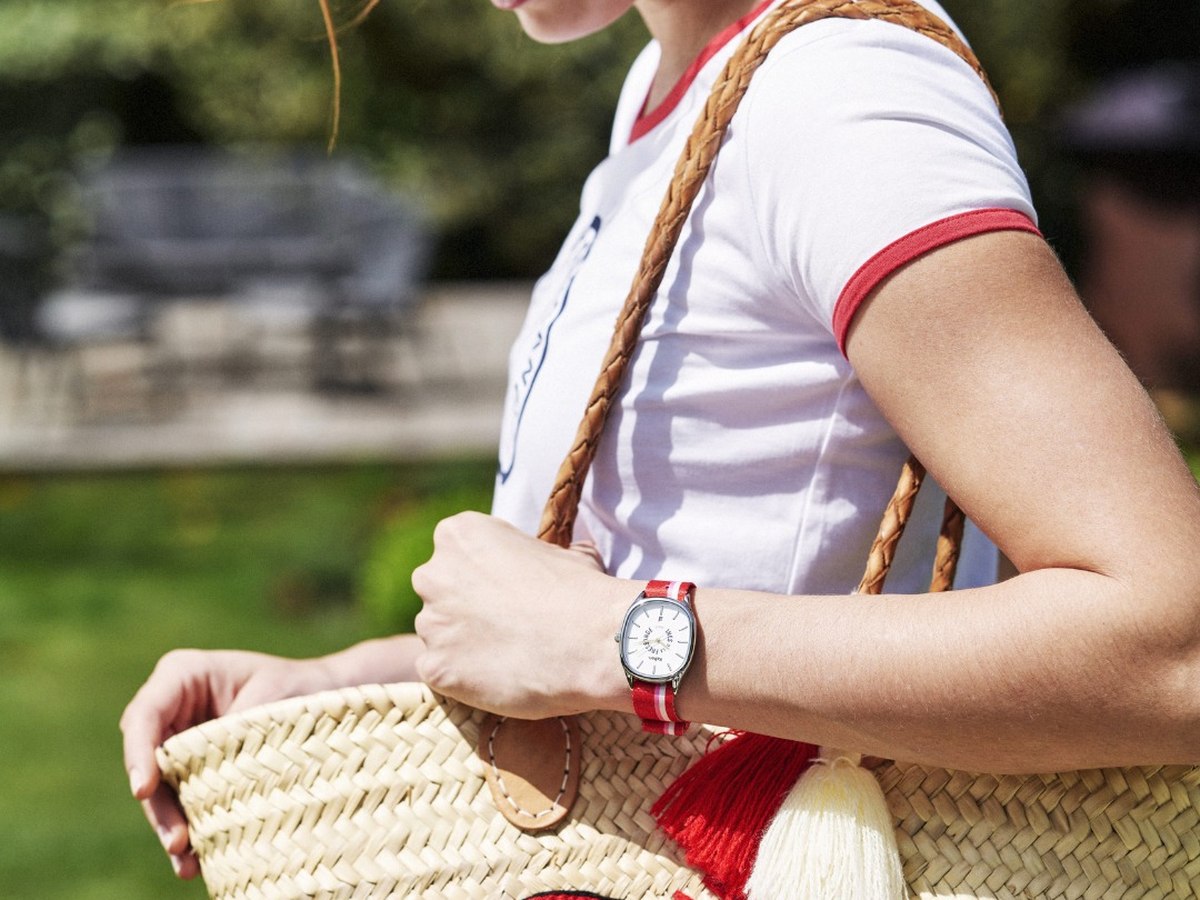
Almost no one makes oval watches anymore. Of the 37 in our catalog, 34 are Keltons, and the other three are children’s watches. This is the clearest example of a shape that is now associated with just one brand.
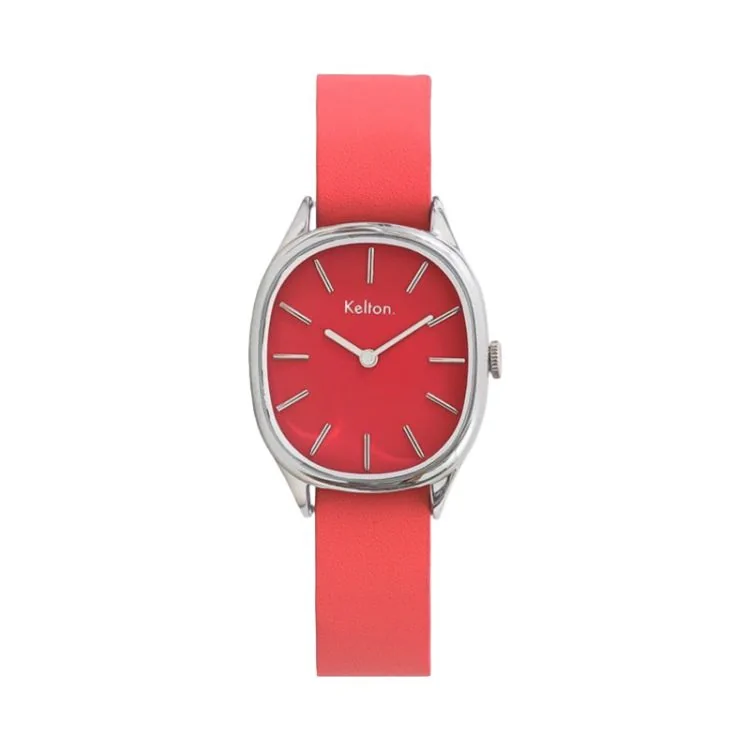
95,20 €
The 28-mm oval case and a bold red color. The most recognizable silhouette of the 1970s.
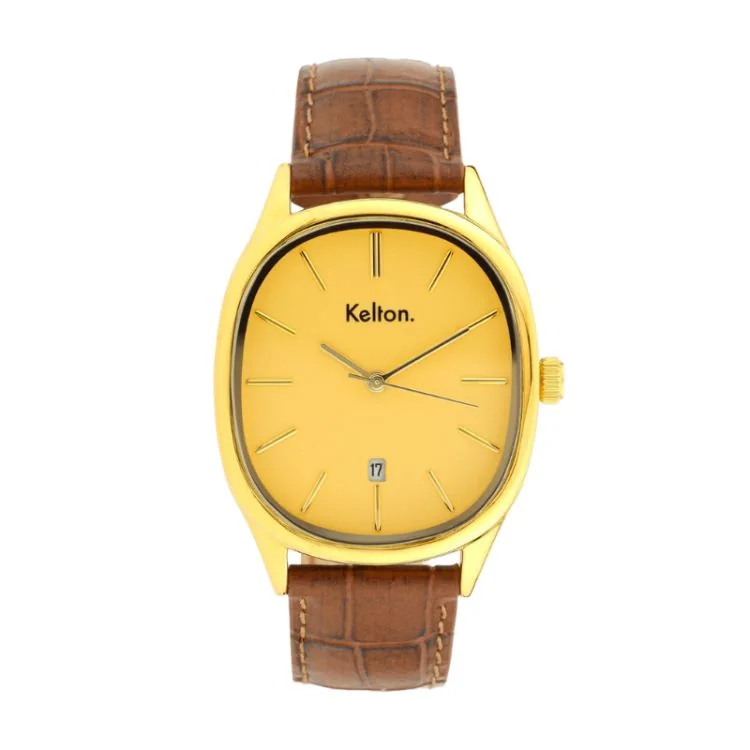
125 €
The same oval shape in 35 mm, gold-plated. It looks just as stylish on any wrist.
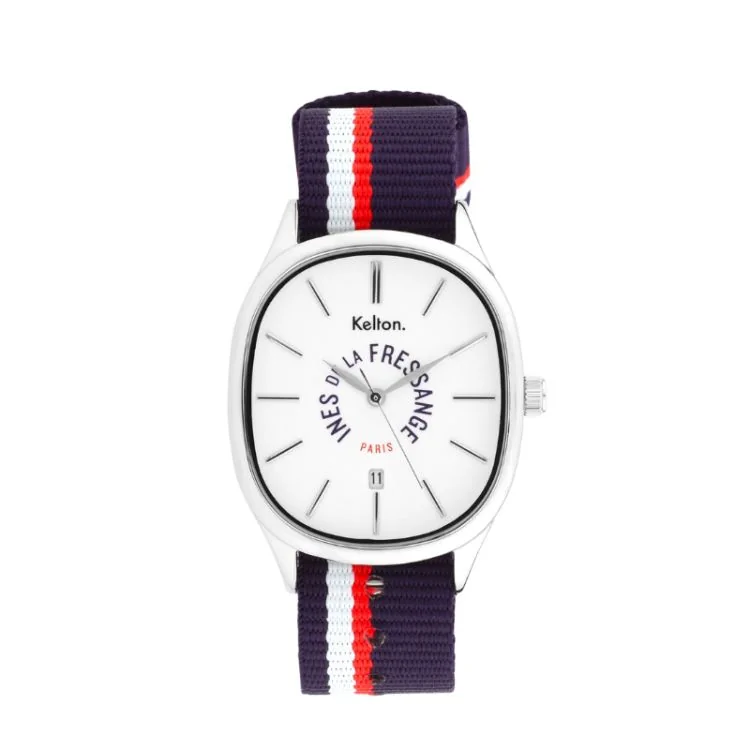
195,39 €
The Grande Colorama was taken to a watchmaker, where the dial and bracelet were redesigned.
The Colorama is the best example of this: a flat oval case, a single-color dial, and no complications. It comes in 28- and 35-millimeter sizes, making it one of the few truly unisex watches on the market. We’ve covered the entire brand in detail in our guide to vintage Kelton watches, and the vintage women’s watches section brings together the essentials.
The Barrel, the Cushion That Stands Out
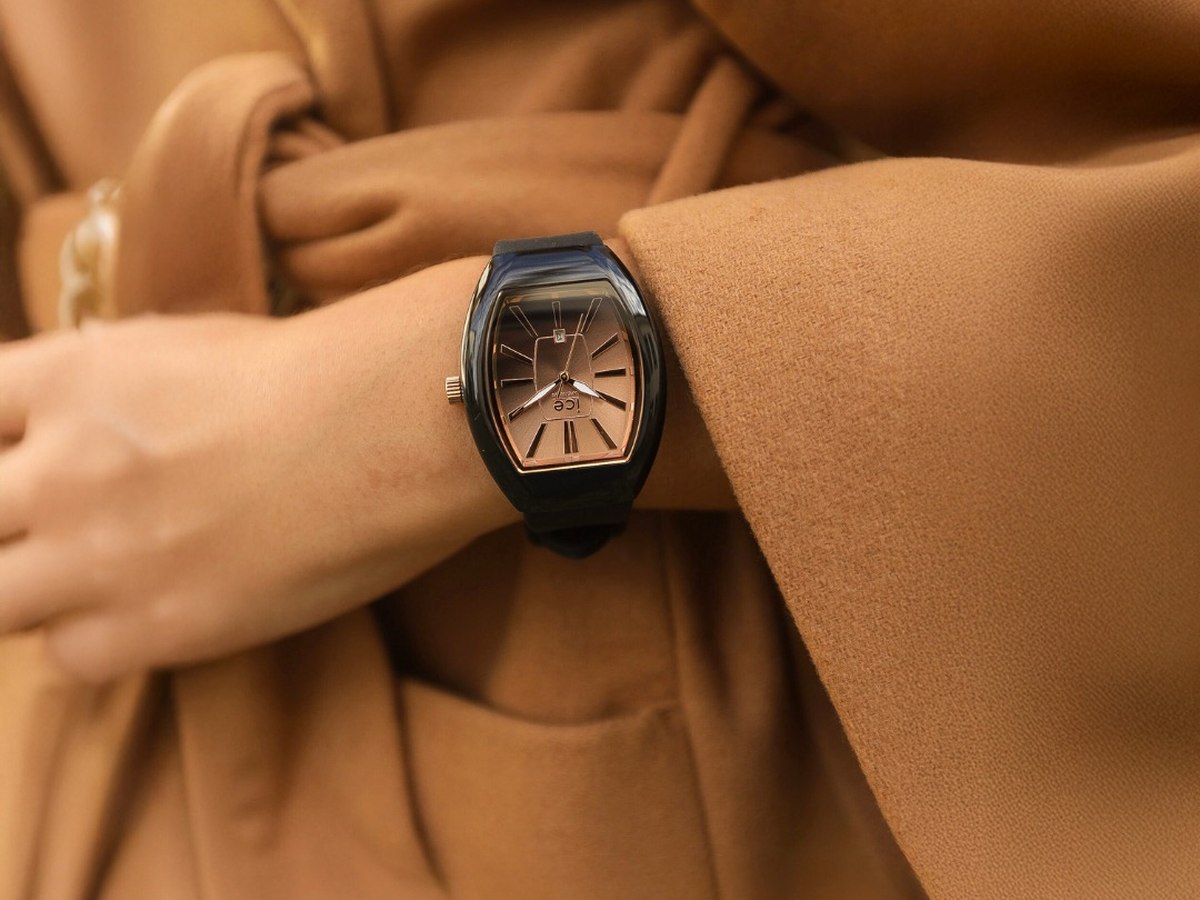
Curved sides, rounded corners, and a thickness that stands out. The barrel isn’t meant to go unnoticed—and that’s exactly why people choose it. We carry 40 styles, including 31 from Kelton.
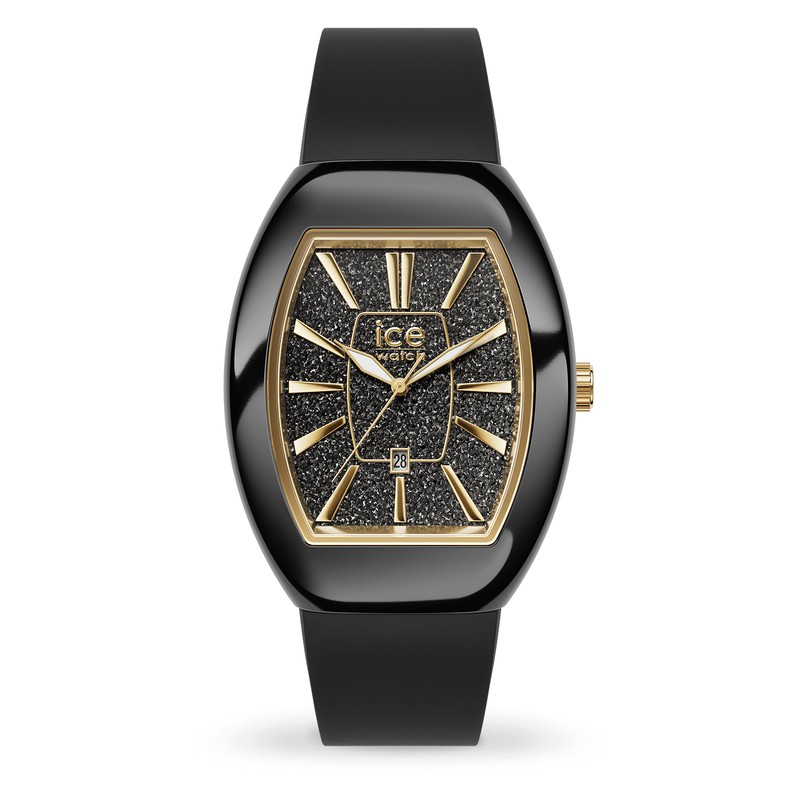
Ice-Watch ICE Dome Black Glitter
99 €
Curved barrel case, domed glass, glittery dial. A contemporary take on the cushion shape.
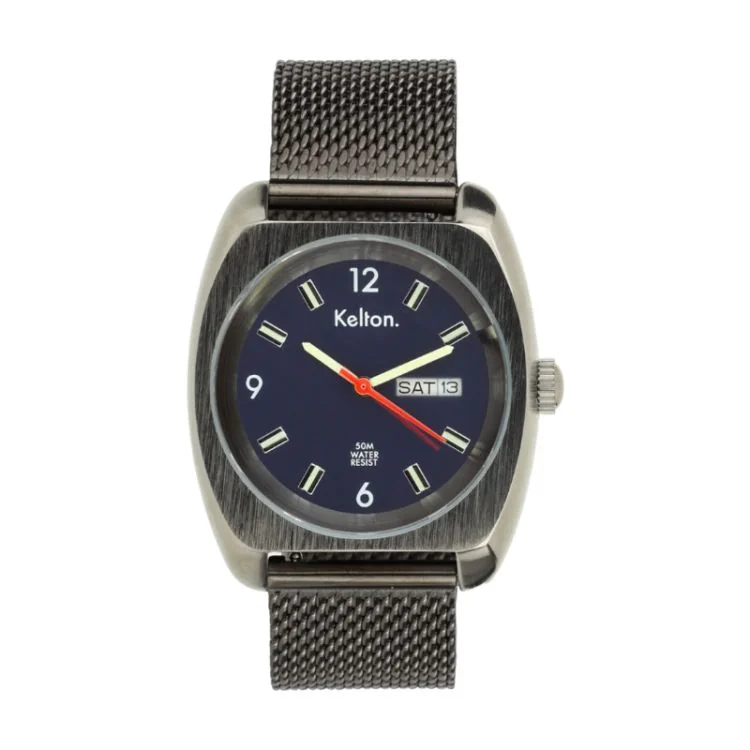
145,30 €
38 mm barrel-shaped case on a Milanese mesh bracelet. An exact replica of the 1970s cushion-shaped model.
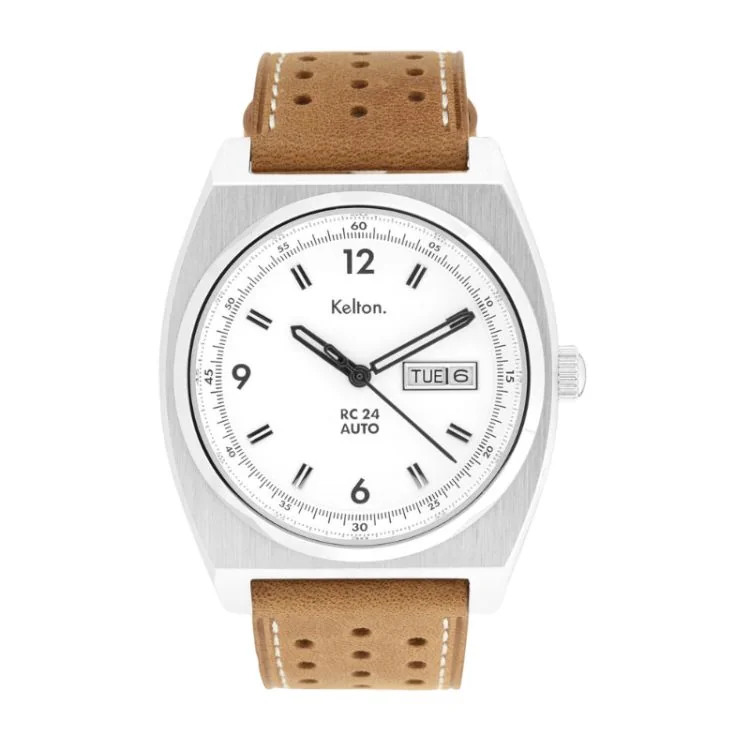
360,68 €
White barrel-shaped watch with automatic movement and a perforated strap. No need to change the battery.
This is also the style that watchmakers reserve for their most serious timepieces. The RC24 is automatic: it winds itself when worn, with no battery to replace. The barrel-shaped case requires a wrist that can accommodate it—at least 16 centimeters in circumference. If your wrist is smaller than that, the watch will stick out. The rest of the men’s collection can be explored in the men’s vintage watches section.
The octagon, the rarest of the five
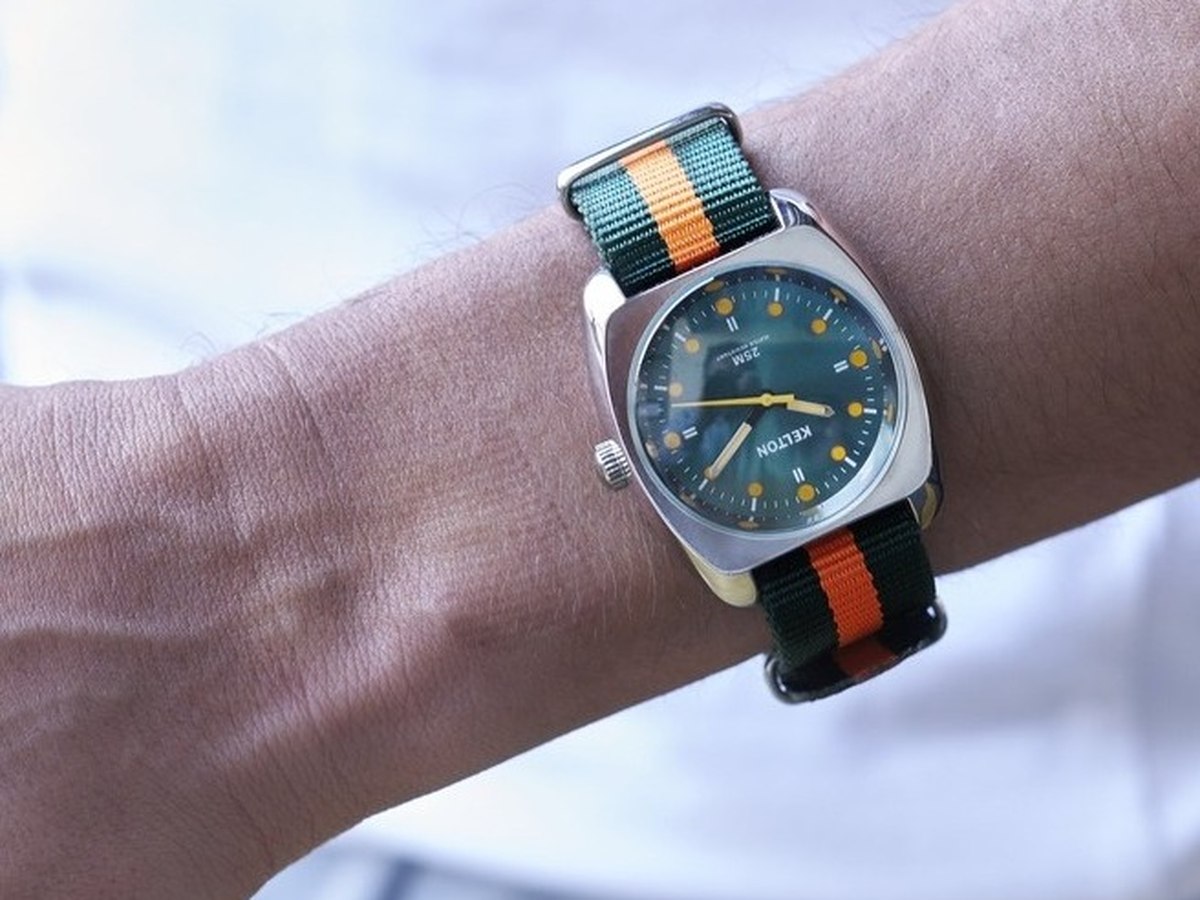
This is the rarest form in the catalog, with only 28 entries. It comes from two opposing worlds that have never intersected.
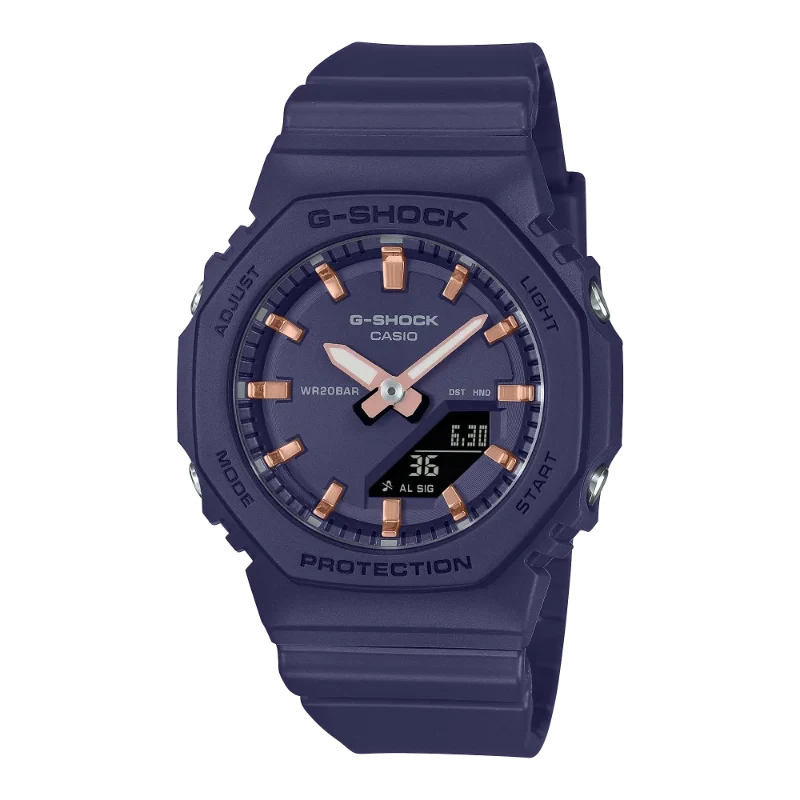
99,90 €
The original octagon, in a smaller size. That's where the shape comes from.
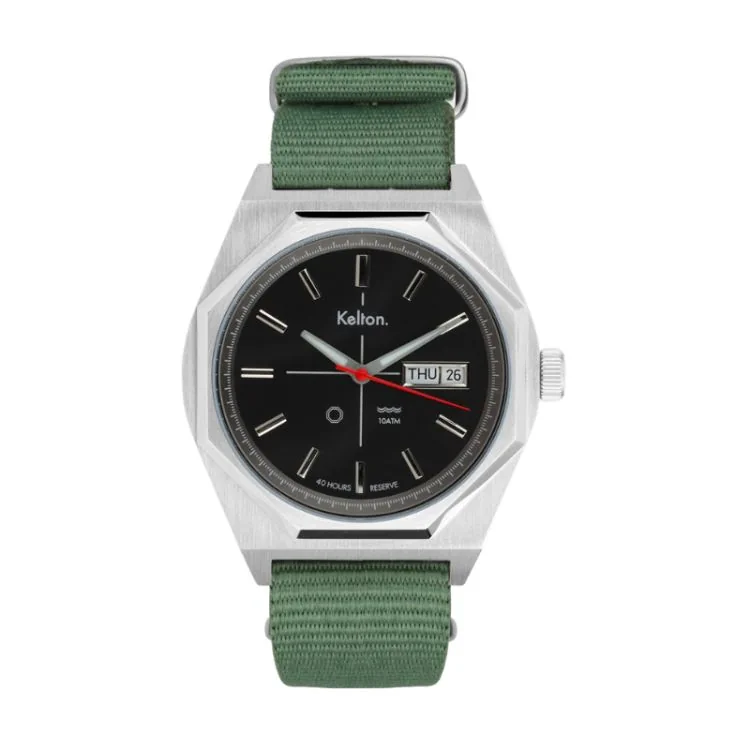
350 €
Eight-sided case, automatic movement, khaki NATO strap. The only French octagonal watch in the department.
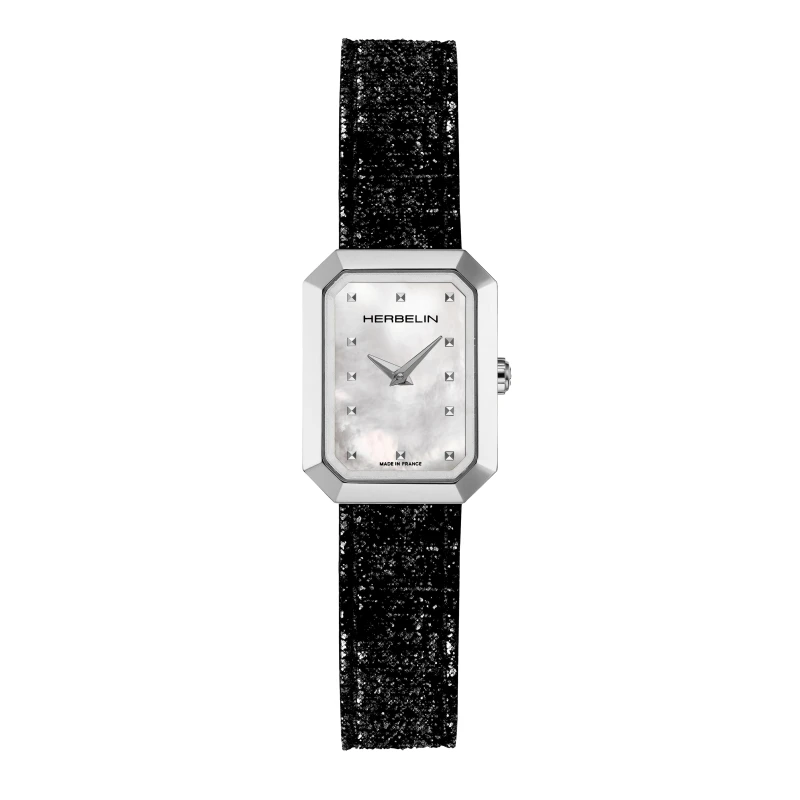
Michel Herbelin Octogône Mother-of-Pearl
450 €
Eight-sided case with a dress watch design, mother-of-pearl dial, leather strap. The octagon, straight from the sports field.
On one hand, there’s sports watch design, where the eight sides serve to absorb shocks and house a screw-down bezel: this is a direct legacy of Casio’s G-Shock, which we covered in our guide to Casio watches. On the other hand, there’s the dress watch style of the late 1970s, where the octagon was, on the contrary, a symbol of luxury. Michel Herbelin has created an entire collection based on this design, and Kelton offers an automatic version. Three interpretations of the same geometric shape, ranging from 100 to 450 euros.
The Five Forms at a Glance
| Form | In stock | The era she describes | Who it's for |
|---|---|---|---|
| Rectangle | 105 | Art Deco and the 1980s at Casio | All wrists, especially under a sleeve |
| Square | 67 | The 1950s | Slender wrists, jewelry-like fit |
| Barrel | 40 | The 1970s | Wrist circumference of 16 cm or more |
| Oval | 37 | The 1970s | Unisex, 28 or 35 mm |
| Octagon | 28 | Late 1970s | Sporty on a wide wrist, dressy on a slim wrist |
How to Choose the Shape of Your Case
Three questions are all it takes, in this order.
- Decide which era you want to evoke. It’s the shape that defines the era, not the color of the dial. Square for the 1950s, oval and tonneau for the 1970s, octagonal for the late 1970s. A round dial doesn’t evoke any specific era—that’s both its advantage and its limitation.
- Measure your wrist circumference before checking the millimeters. A square or rectangular watch takes up less width than a round one of the same size, while a barrel-shaped watch takes up more. For wrists under 15 centimeters, go for a 28-mm square or oval watch. For wrists over 17 centimeters, barrel-shaped and octagonal watches are comfortable.
- Make sure the case shape is compatible with the strap you want. Non-round cases often have short lugs and narrow lug spacing, ranging from 14 to 18 mm. A 20- or 22-mm strap—common on round watches—will not fit.
What You Need to Know Before Buying
Three points you don't often see mentioned.
The strap is harder to replace. That’s the real drawback of non-round cases. The lug spacing is often narrow, and slim rectangular models sometimes have a specific clasp. Before buying, check the width listed on the product page, and keep in mind that your options will be more limited than with a round watch.
The seal is generally less effective. A circular seal compresses evenly around its entire circumference, which is not the case with an angled seal. The angular shapes in our catalog often have a maximum length of 30 meters, which provides protection against rain and hand-washing, but not for a swimming pool. The exceptions are the octagonal sports pools, which are rated for 100 or 200 meters.
The glass is more expensive to replace. A round glass panel is a standard part, while a rectangular or octagonal one is specific to the model. If it breaks, the lead time for replacement is longer. Our workshop handles these repairs, but it’s best to know this in advance.
Frequently Asked Questions About Case Shapes
What is the rarest watch shape?
The octagon. Of the 715 watches in stock whose shapes we have documented, only 28 are octagonal, compared to 438 that are round. Next come the oval shape, with 37 models, and the barrel shape, with 40.
Does a square watch look good on a slender wrist?
Yes, and it’s better than a round case of the same size. A 30-millimeter square case takes up less visual width than a 30-millimeter round case, because the lugs extend from the corners rather than the sides. This is the classic shape of ladies’ watches from the 1950s, which were worn small.
What's the difference between a barrel and a cushion?
The barrel has curved sides and a shape that is taller than it is wide, like a barrel viewed from the side. The cushion is almost square, with rounded corners. In everyday language and on many product descriptions, the two terms are used interchangeably.
Why does almost no one make oval watches anymore?
Because oval cases are expensive to produce and limit the choice of movement, which remains round. They require a case designed specifically for them, a special crystal, and a custom dial. In our catalog, 34 of the 37 oval watches come from a single brand, Kelton, which has never stopped reissuing its models from the 1970s.
Does the shape of the case affect its water resistance?
Yes, generally downward. A circular gasket compresses evenly, while an angular gasket does so much less effectively. The non-round watches in our catalog often have a water resistance rating of only 30 meters, which rules out swimming. Sporty octagonal models are the exception and are water-resistant up to 100 or 200 meters.
Can you change the strap on a rectangular watch?
Yes, but the selection is more limited. The lug spacing is often narrow—14 to 18 millimeters—whereas round watches typically use 20 or 22. Check the width on the product page before ordering a replacement strap.
What kind of watch should you choose for the office?
The rectangle. It’s the most elegant, the slimmest shape—and the only one that slips effortlessly under a shirt sleeve. It has its roots in Art Deco, which gives it a formal look that the circle lacks. Prices start at 100 euros here.
Is a non-round watch more expensive?
Not necessarily. Our non-round watches start at 13 euros and go up to 1,500 euros—the same price range as our round watches. However, maintenance costs a little more because the glass and the strap are model-specific parts rather than mass-produced parts.
Our final tip
If you've never worn anything other than a round watch, start with a rectangular one. It's the easiest way to branch out: it goes with everything, pairs well with business attire, and doesn't require a specific wrist size. Our entry-level model is 99.90 euros.
If, on the other hand, you're looking for a watch that no one else will be wearing, go for an oval. It's a shape the industry has abandoned—only one brand still makes them—and that's exactly what makes it interesting.
The rest of the catalog can be browsed in the women's watches and men's watches sections, and all Kelton watches are listed on the Kelton watches page.